
8 core badge families
Compare embroidered, chenille, appliqué, bullion and raised finishes, with letters, names and larger back patches.
Embroidered Badges & Patches Supplier in UAE for uniforms, schools, companies, sports teams and clubs. Compare constructions, backings and custom designs.
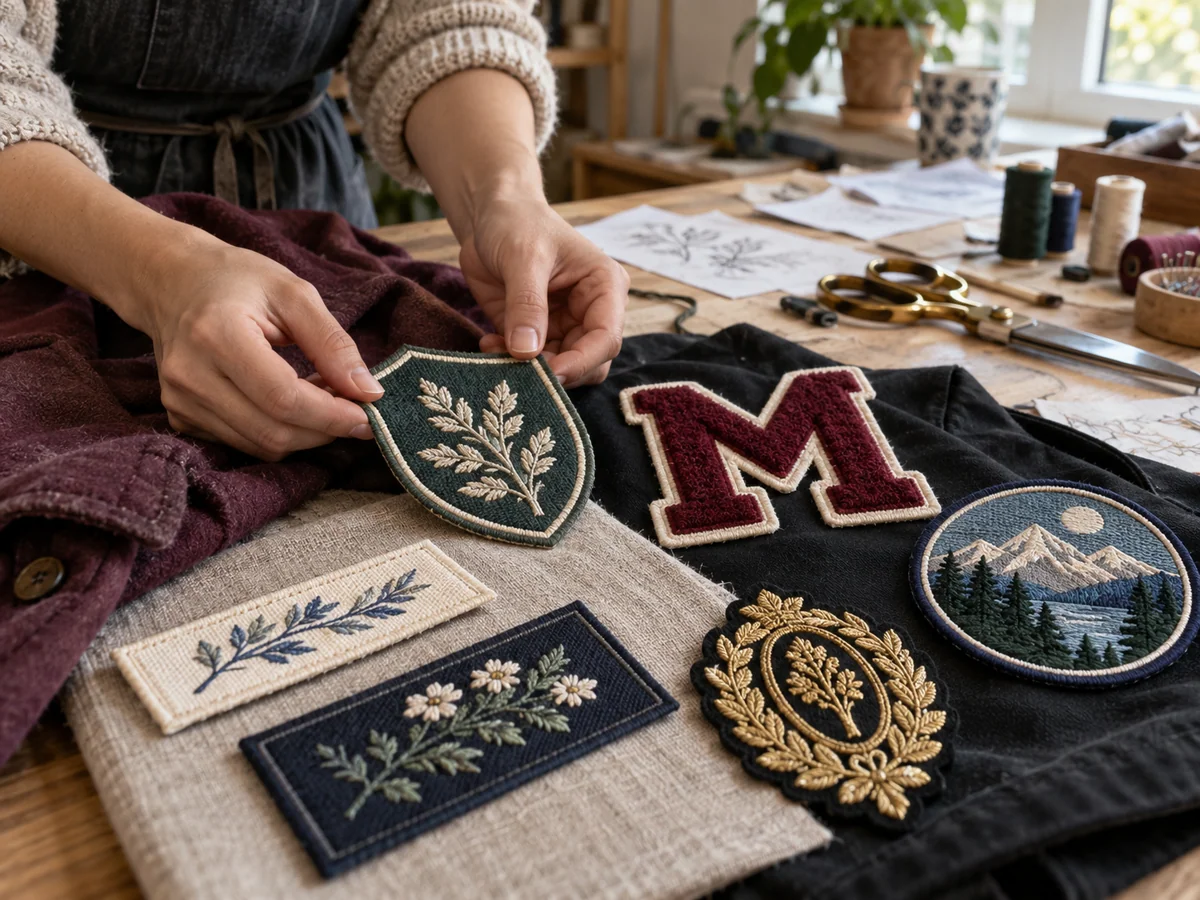
Compare embroidered, chenille, appliqué, bullion and raised finishes, with letters, names and larger back patches.
Find a brief for your uniform, institution, sports team, club, event or clothing collection. Each range has its own enquiry reference.
Choose dimensions, material and attachment on the product page. Add the quantity and share the selected specification with our team.
 Badges & patches
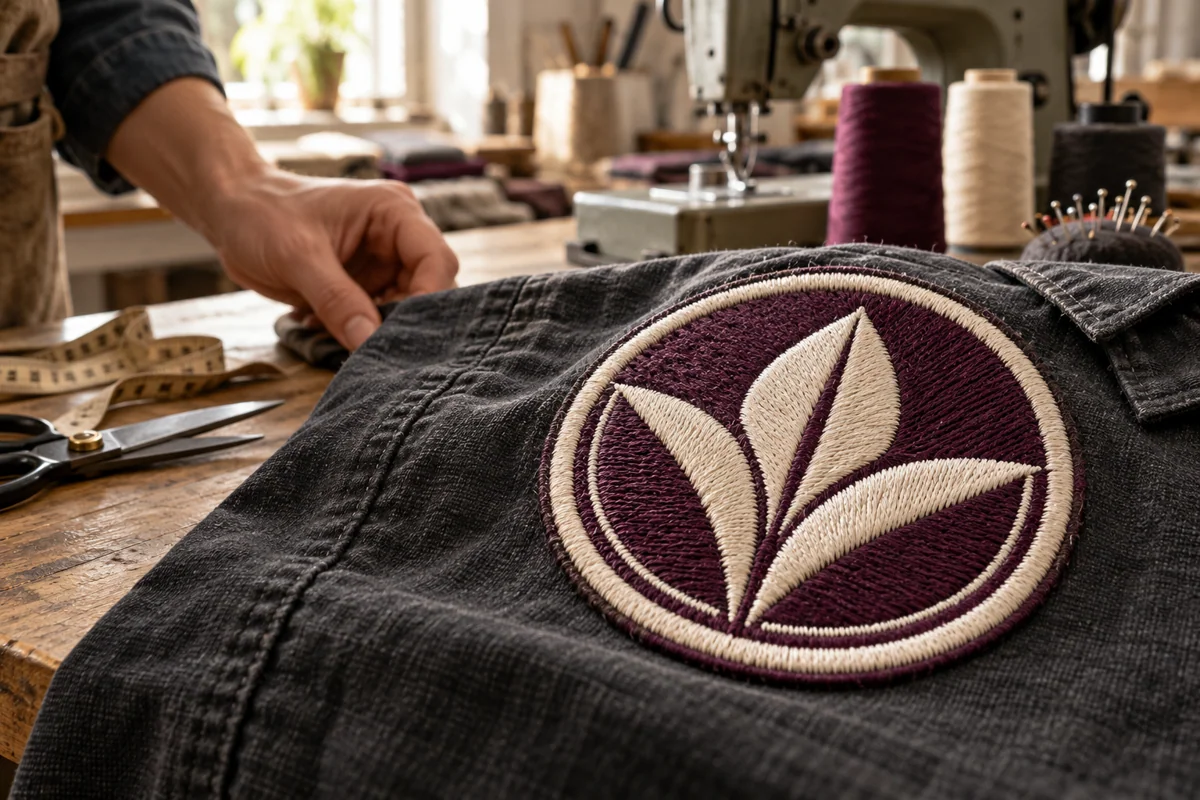
Custom Embroidered Logo Badges & Patches Supplier in UAE — custom sizes, colours and attachment options. Send.
Made to your specificationView product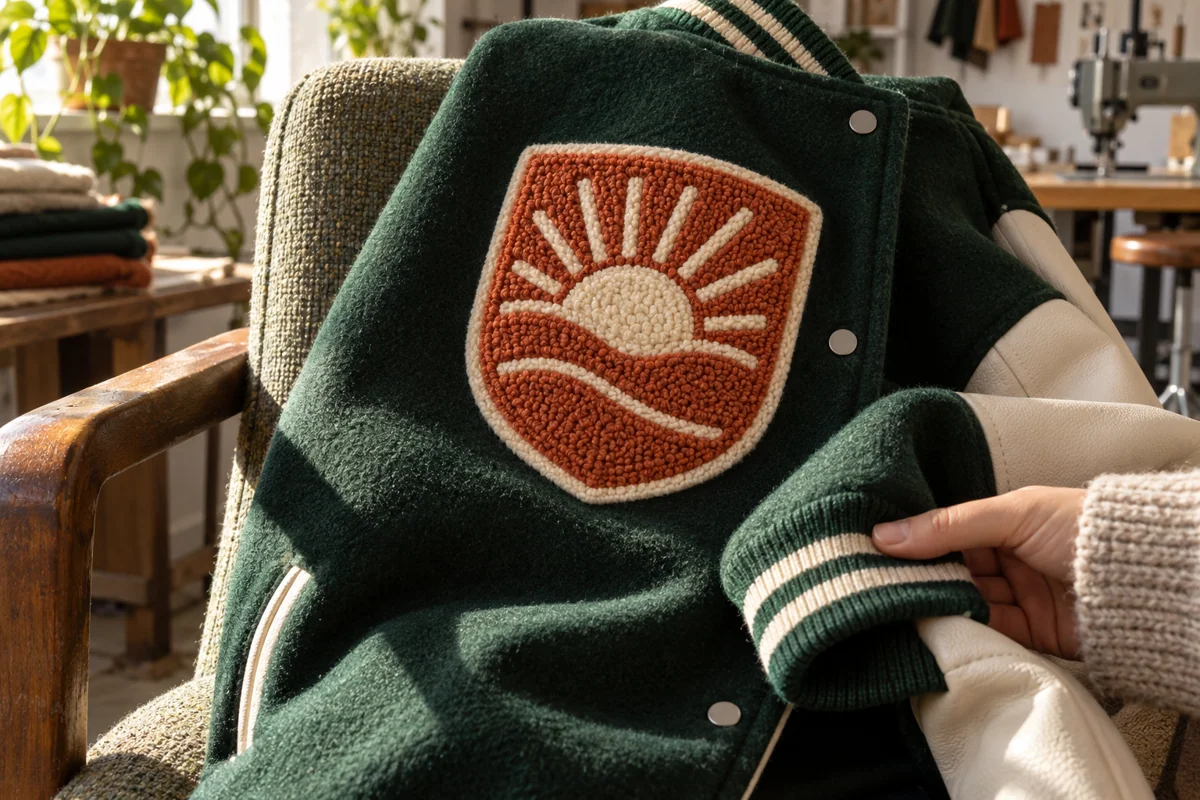 Badges & patches
Custom Chenille Badges & Patches Supplier in UAE — custom sizes, colours and attachment options. Send artwork for.
Made to your specificationView product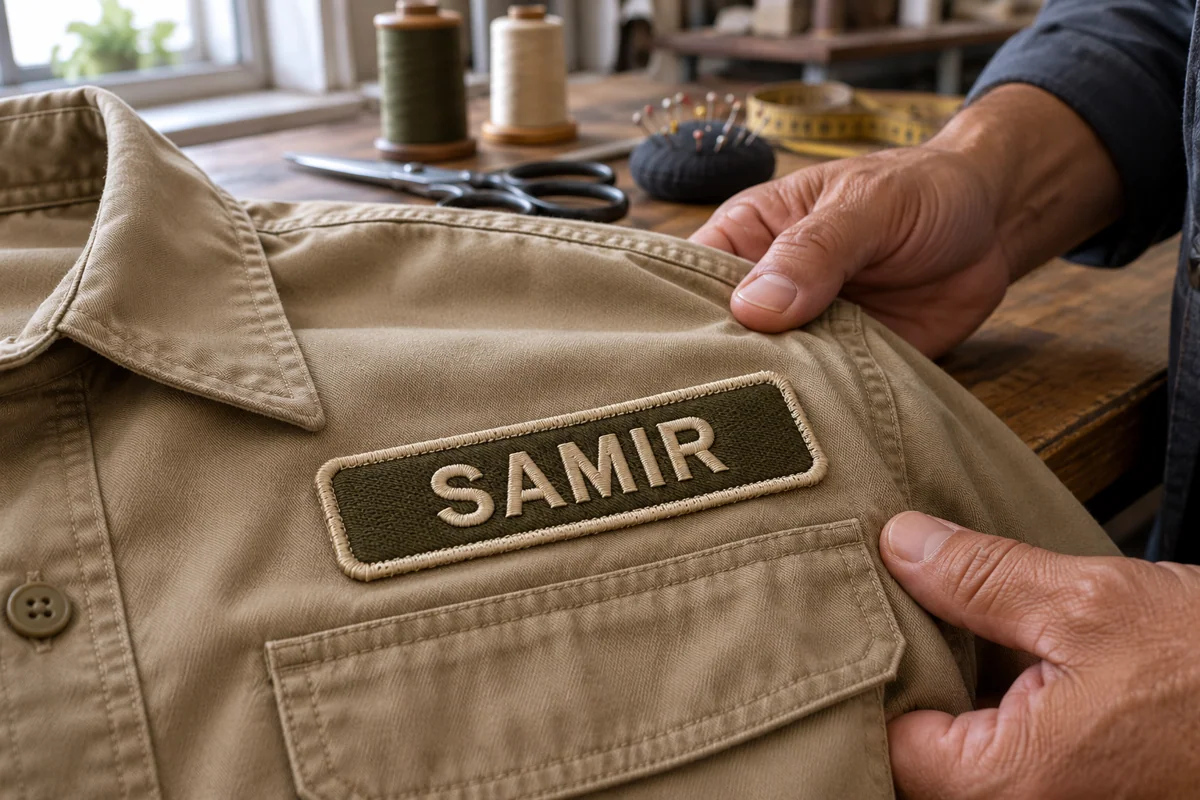 Badges & patches
Embroidered Name Patches & Name Strips Supplier in UAE — custom sizes, colours and attachment options. Send.
Made to your specificationView product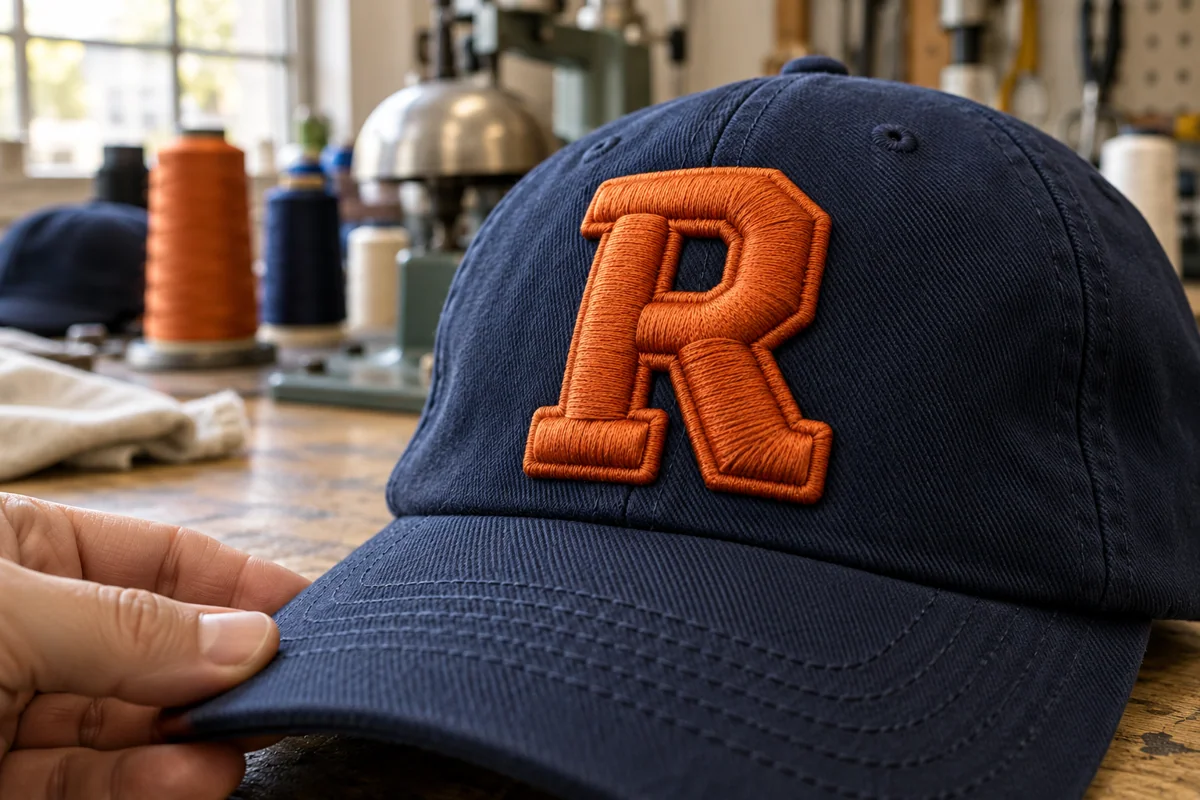 Badges & patches
3D Puff Embroidered Patches Supplier in UAE — custom sizes, colours and attachment options. Send artwork for a.
Made to your specificationView product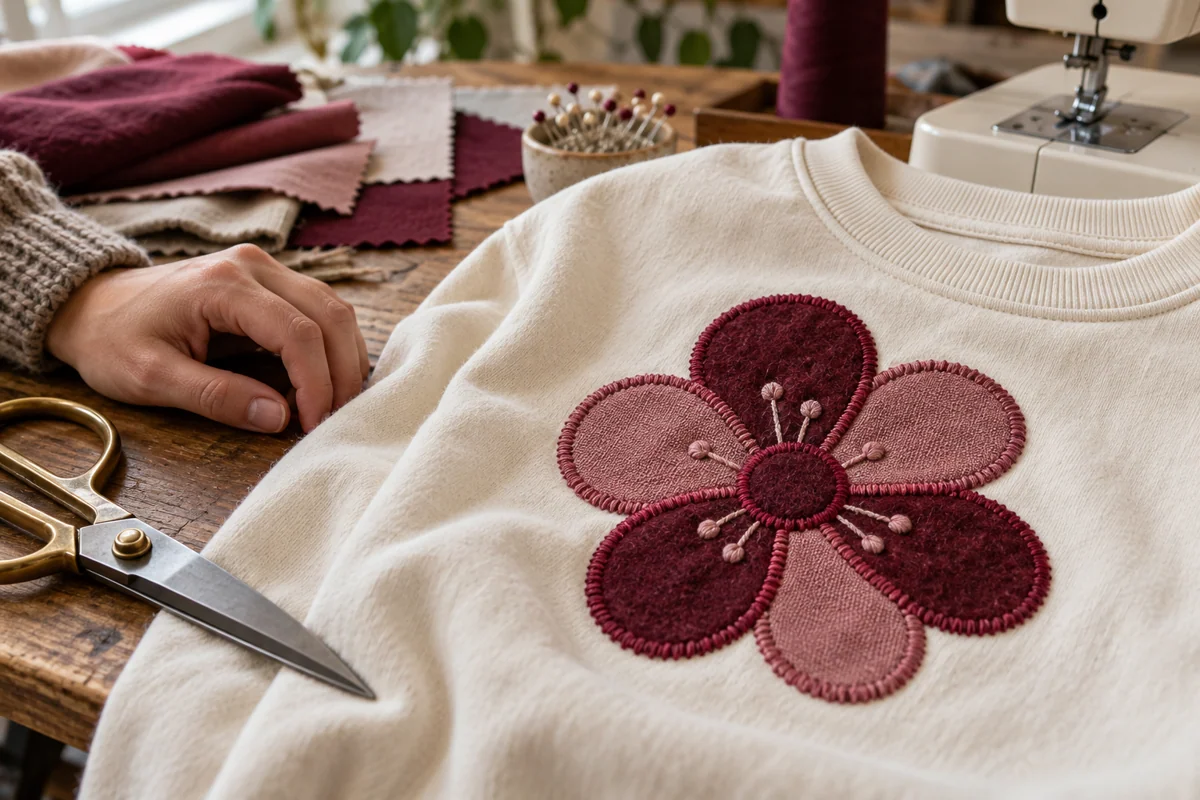 Badges & patches
Fabric & Felt Appliqué Badges Supplier in UAE — custom sizes, colours and attachment options. Send artwork for a.
Made to your specificationView product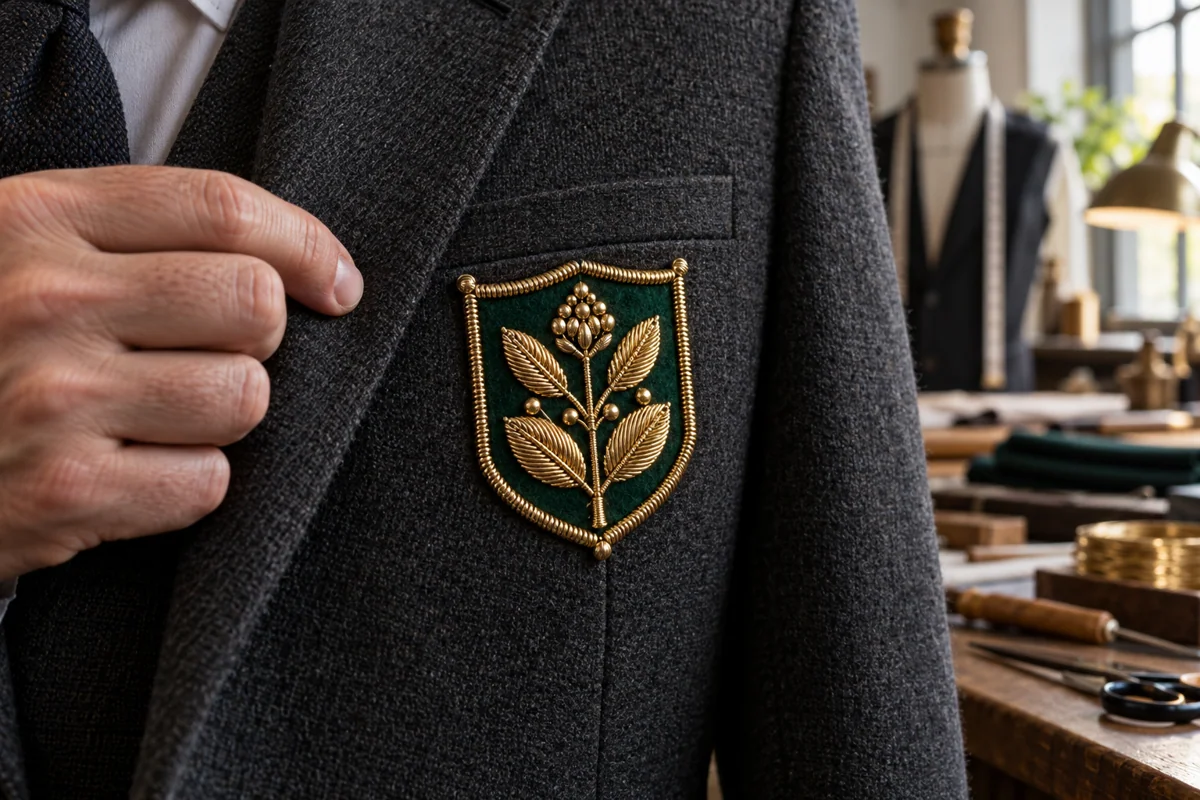 Badges & patches
Bullion Embroidered Crests Supplier in UAE — custom sizes, colours and attachment options. Send artwork for a.
Made to your specificationView product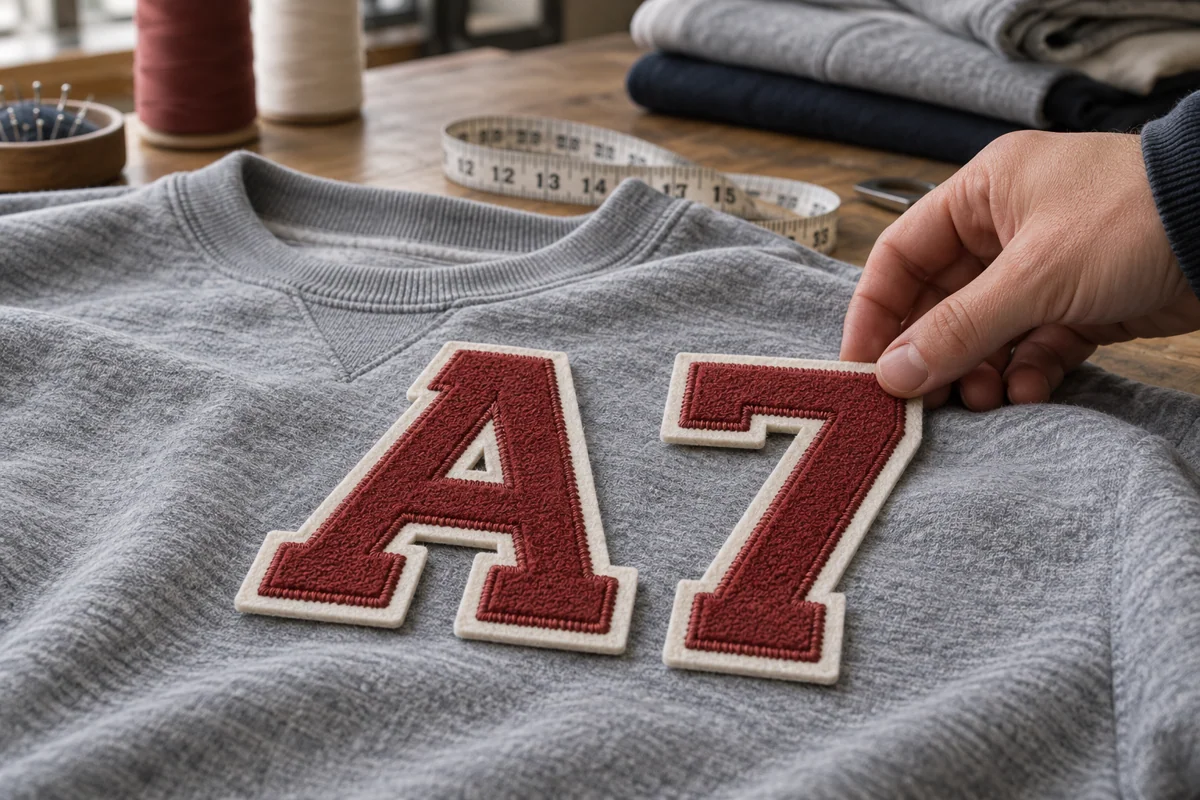 Badges & patches
Embroidered Letter & Number Patches Supplier in UAE — custom sizes, colours and attachment options. Send artwork.
Made to your specificationView product Badges & patches
Large Back & Rocker Patches Supplier in UAE — custom sizes, colours and attachment options. Send artwork for a.
Made to your specificationView productWoven, printed, PVC and silicone products use their own construction methods. Compare them with embroidery before deciding.
 Badges & patches
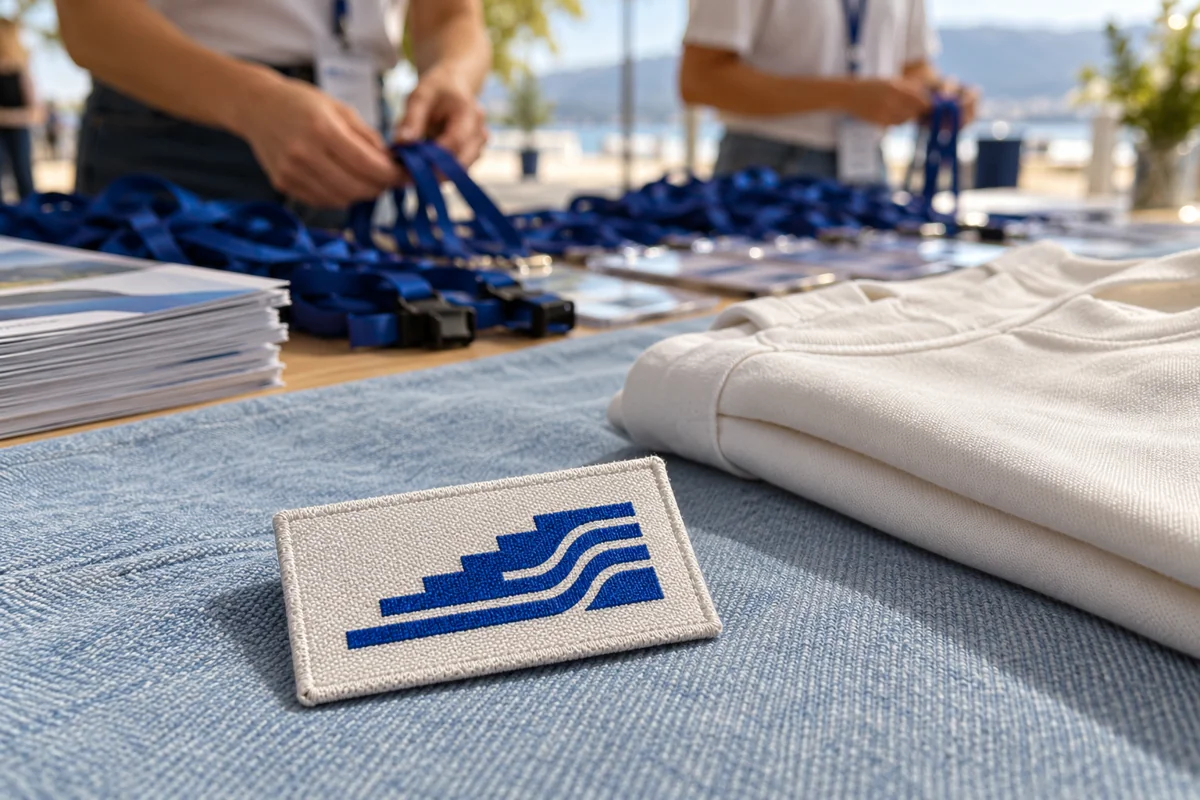
Woven Event Badges Supplier in UAE — custom sizes, colours and attachment options. Send artwork for a tailored.
Made to your specificationView product Badges & patches
Moulded PVC Event Patches Supplier in UAE — custom sizes, colours and attachment options. Send artwork for a.
Made to your specificationView product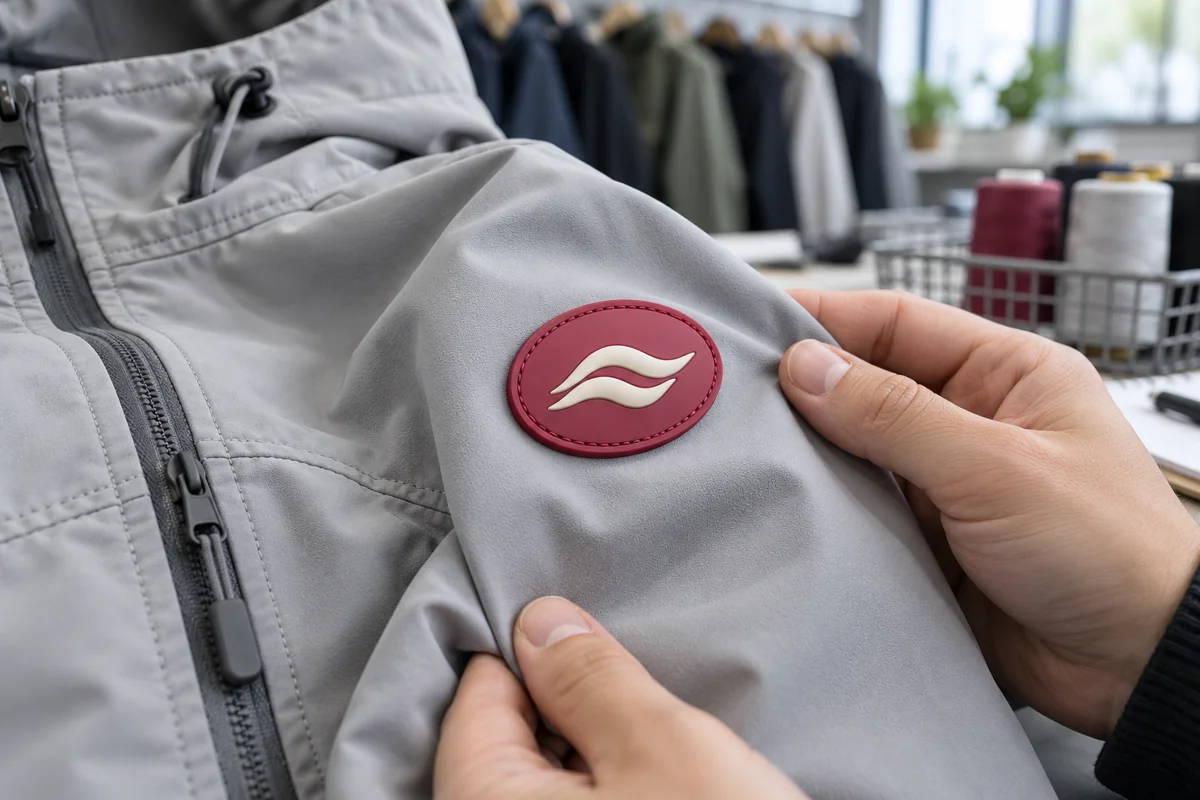 Badges & patches
Silicone Logo Patches Supplier in UAE — custom sizes, colours and attachment options. Send artwork for a tailored.
Made to your specificationView product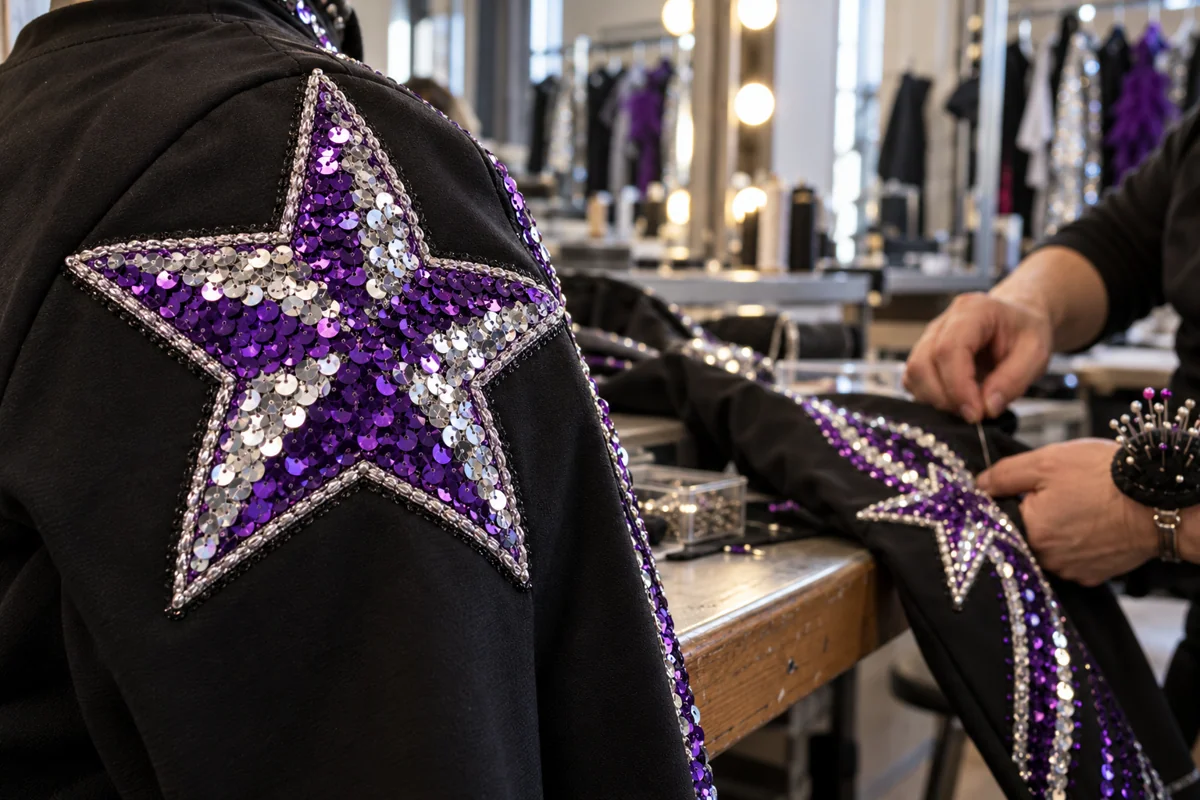 Badges & patches
Sequin Event Patches Supplier in UAE — custom sizes, colours and attachment options. Send artwork for a tailored.
Made to your specificationView product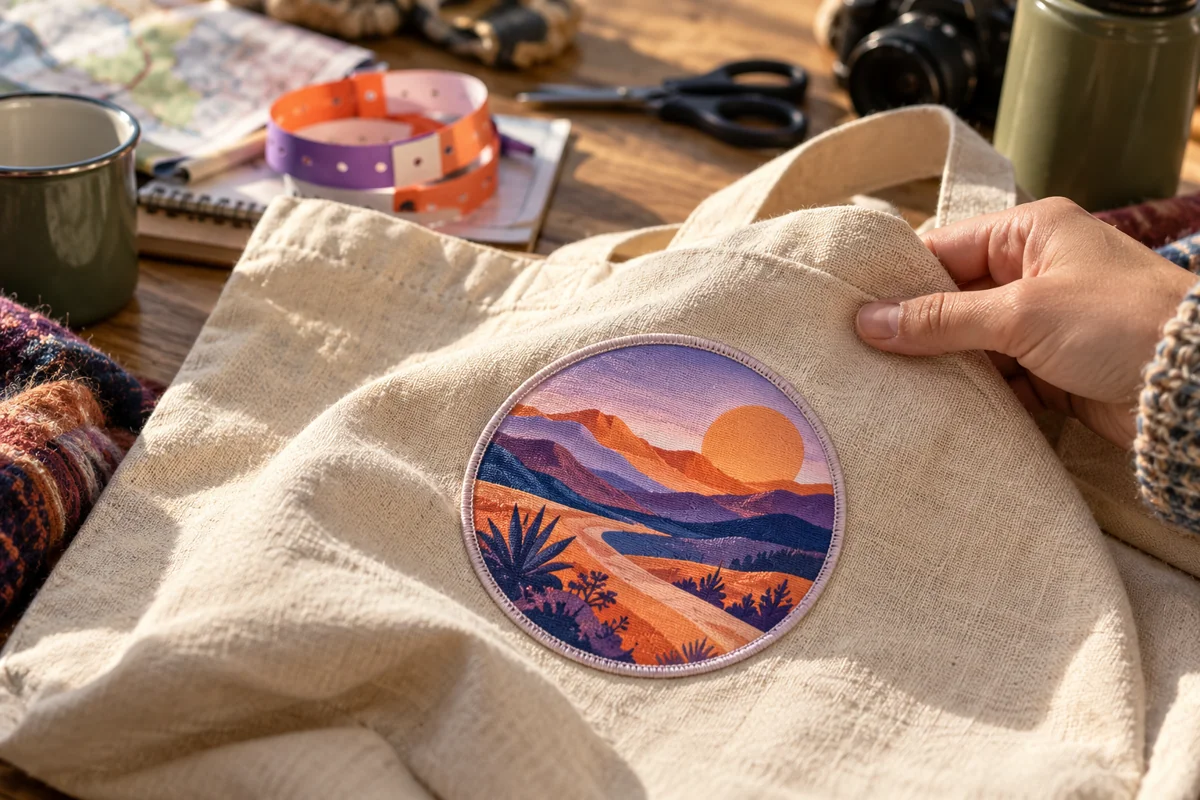 Badges & patches
Printed Event Patches Supplier in UAE — custom sizes, colours and attachment options. Send artwork for a tailored.
Made to your specificationView product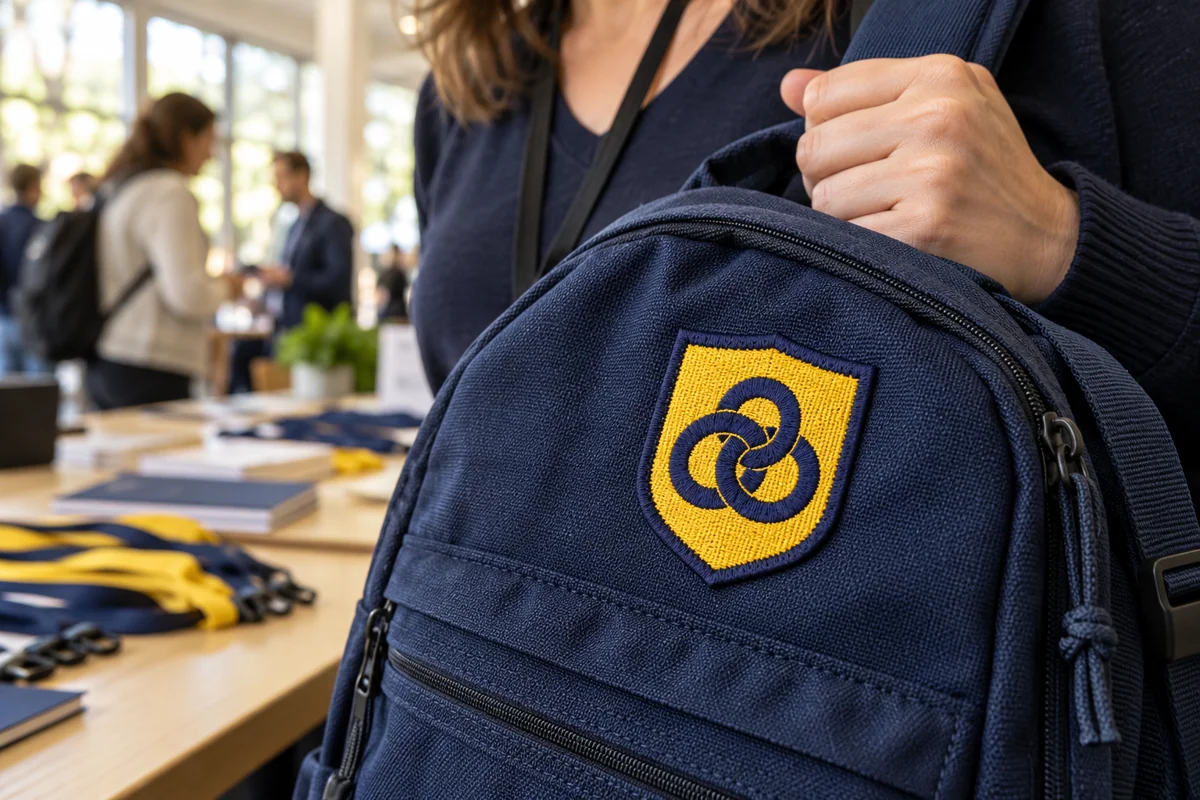 Badges & patches
Woven Participant Badges Supplier in UAE — custom sizes, colours and attachment options. Send artwork for a.
Made to your specificationView product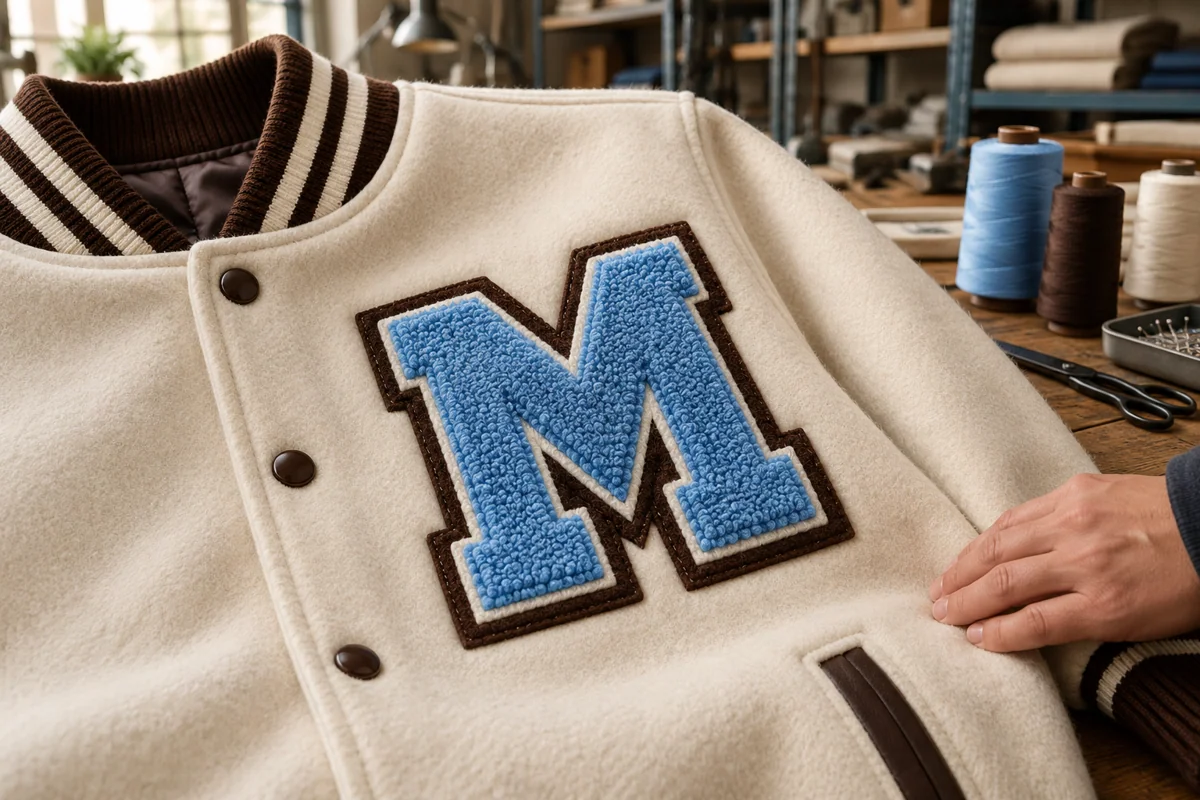 Badges & patches
Chenille Letter Patches Supplier in UAE — custom sizes, colours and attachment options. Send artwork for a.
Made to your specificationView productStart with the garment, use and identity. These application ranges help you prepare the brief; construction and attachment are agreed for each design.
 Badges & patches
School Crest Badges Supplier in UAE — custom sizes, colours and attachment options. Send artwork for a tailored.
Made to your specificationView product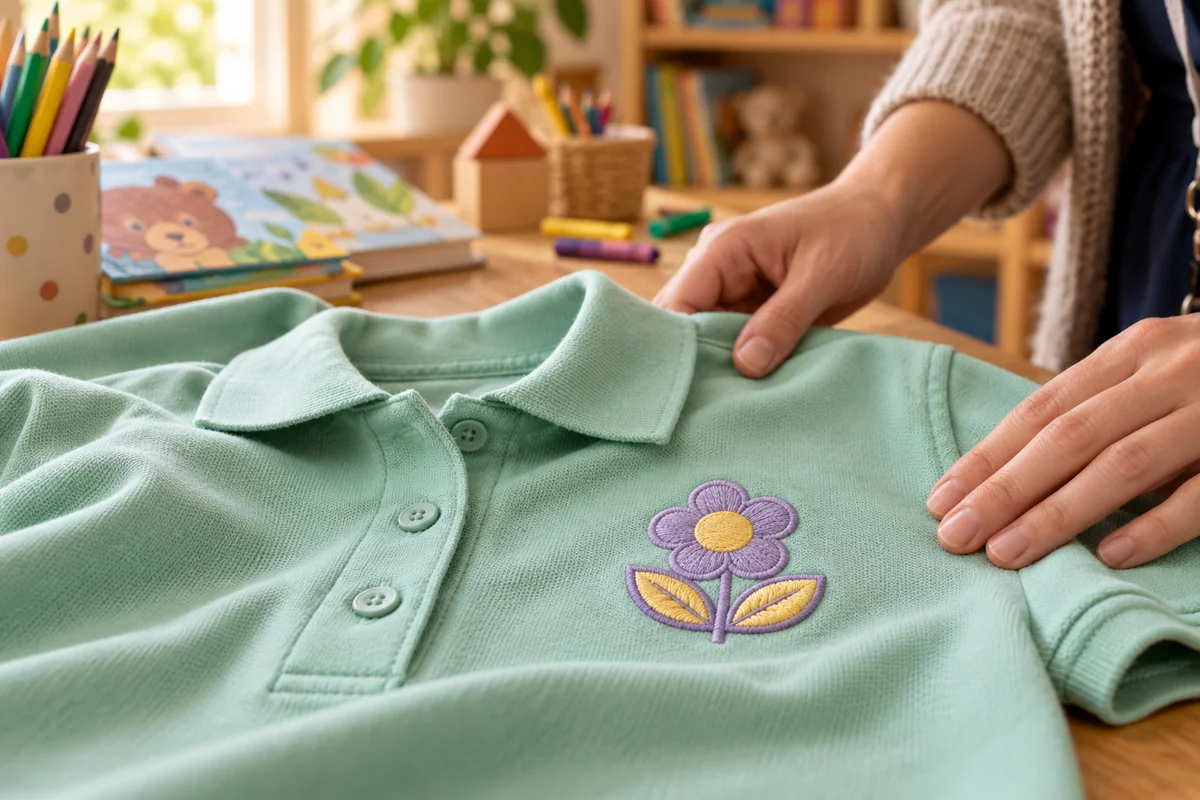 Badges & patches
Nursery Uniform Badges Supplier in UAE — custom sizes, colours and attachment options. Send artwork for a.
Made to your specificationView product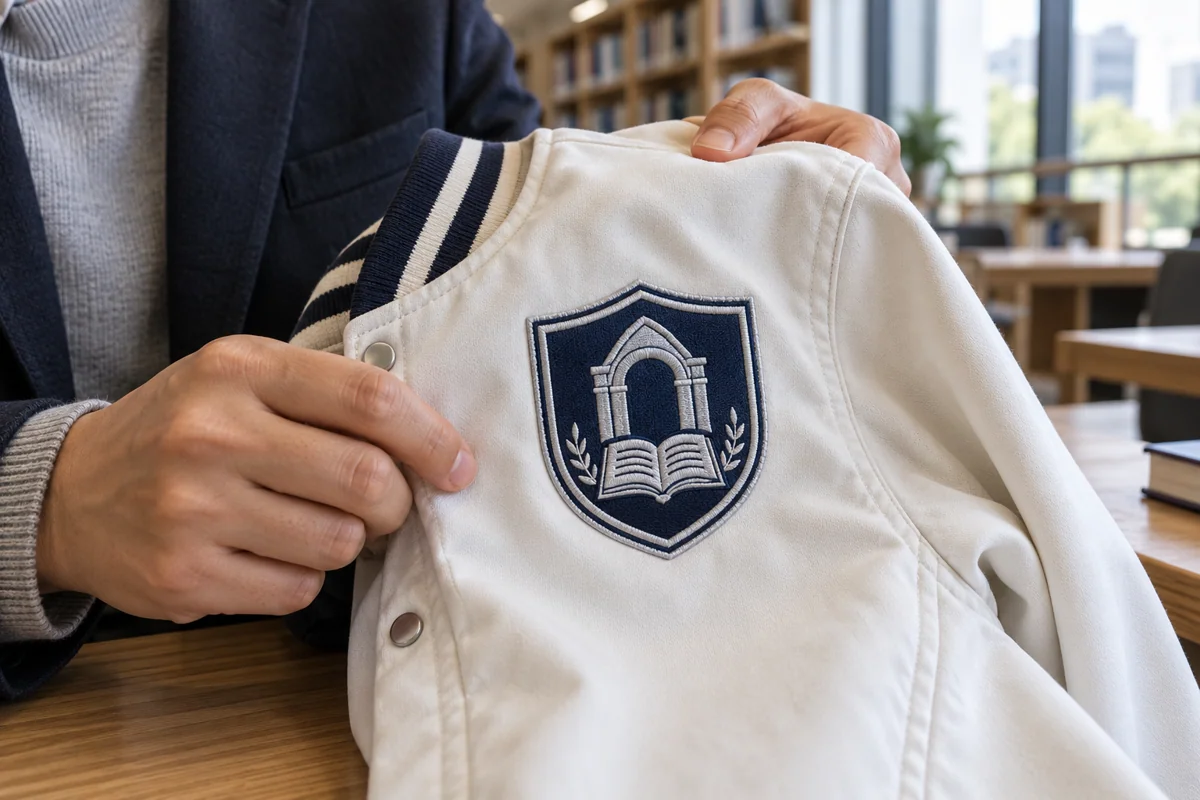 Badges & patches
University & College Badges Supplier in UAE — custom sizes, colours and attachment options. Send artwork for a.
Made to your specificationView product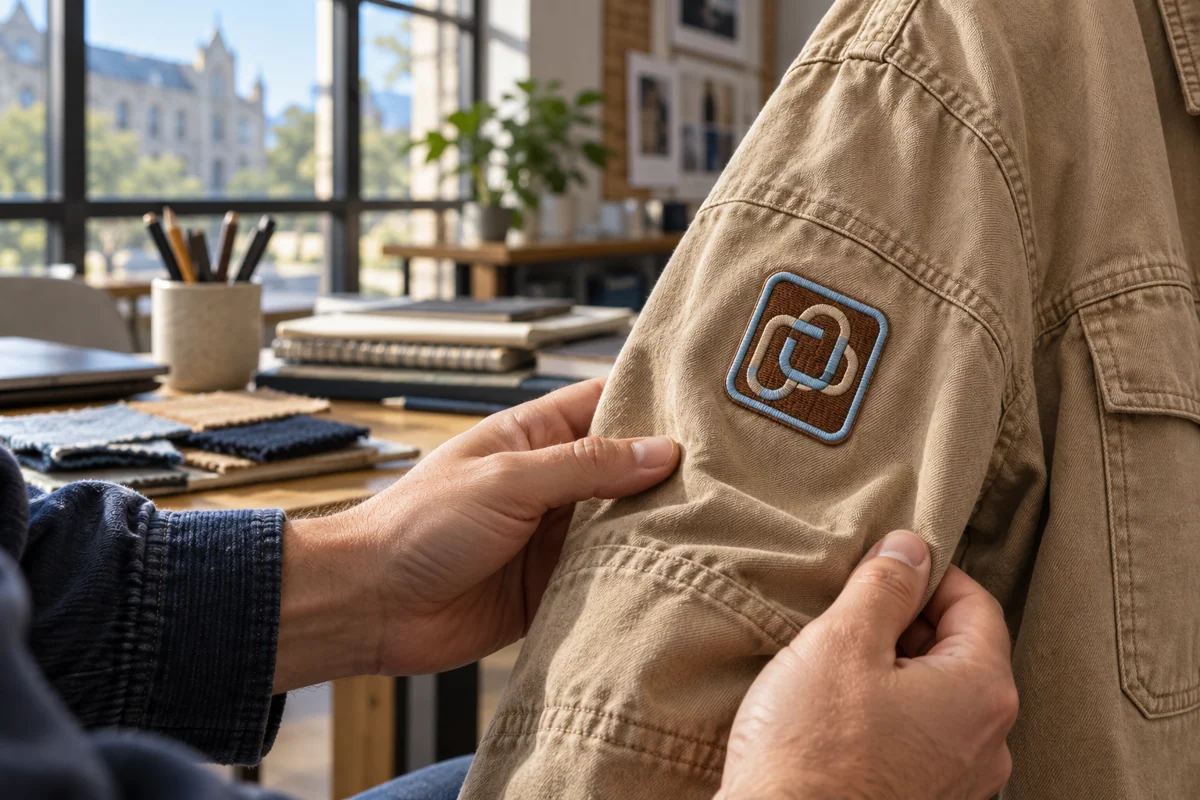 Badges & patches
Faculty Badges Supplier in UAE — custom sizes, colours and attachment options. Send artwork for a tailored quote.
Made to your specificationView product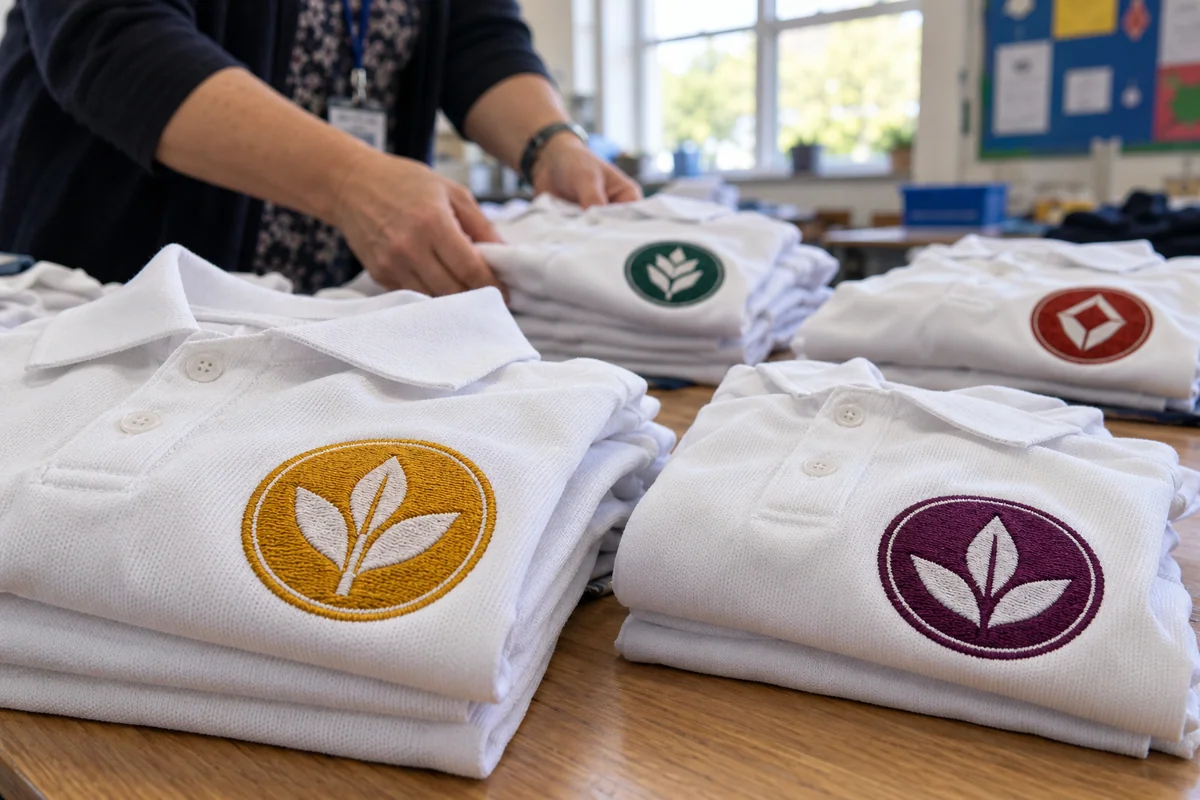 Badges & patches
School House Badges Supplier in UAE — custom sizes, colours and attachment options. Send artwork for a tailored.
Made to your specificationView product Badges & patches
Prefect Badges Supplier in UAE — custom sizes, colours and attachment options. Send artwork for a tailored quote.
Made to your specificationView product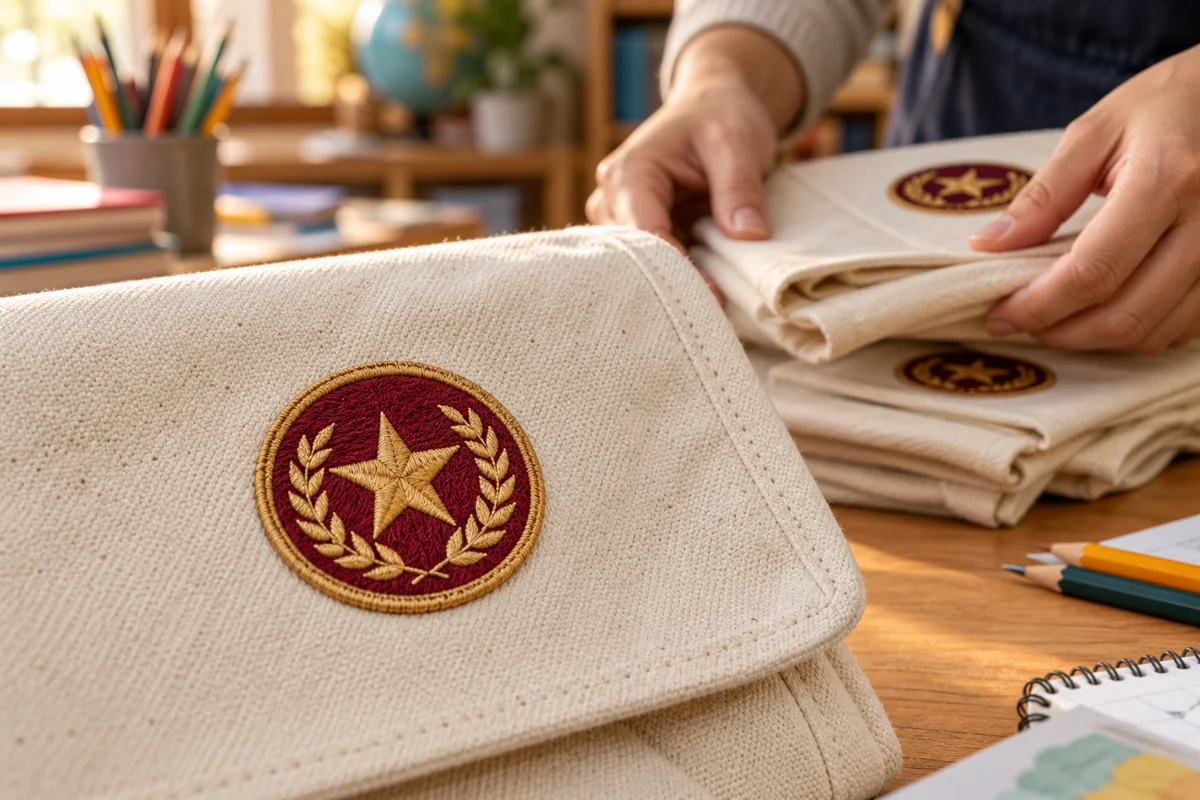 Badges & patches
Achievement & Merit Badges Supplier in UAE — custom sizes, colours and attachment options. Send artwork for a.
Made to your specificationView product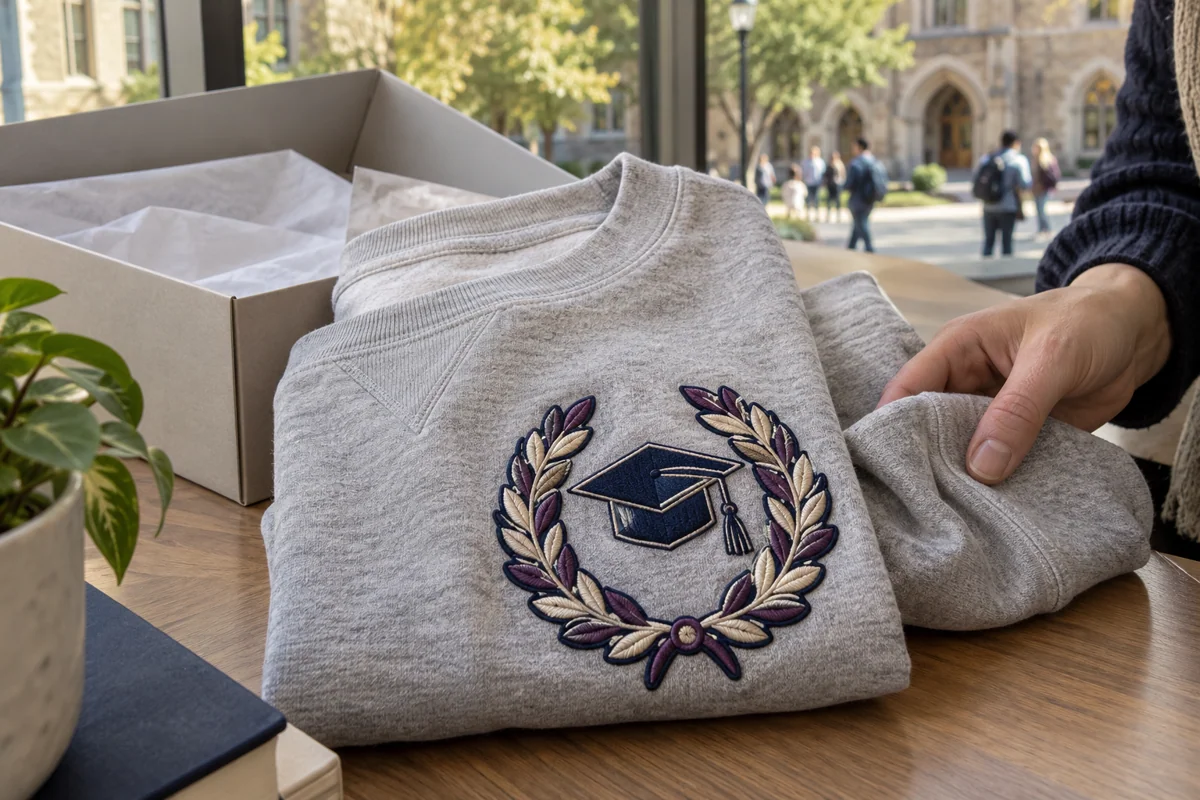 Badges & patches
Graduation & Alumni Patches Supplier in UAE. Custom patches for graduation keepsakes, reunion clothing and alumni.
Made to your specificationView product Badges & patches
Corporate Logo & Uniform Patches Supplier in UAE. Custom branded staff clothing, branch uniforms and corporate.
Made to your specificationView product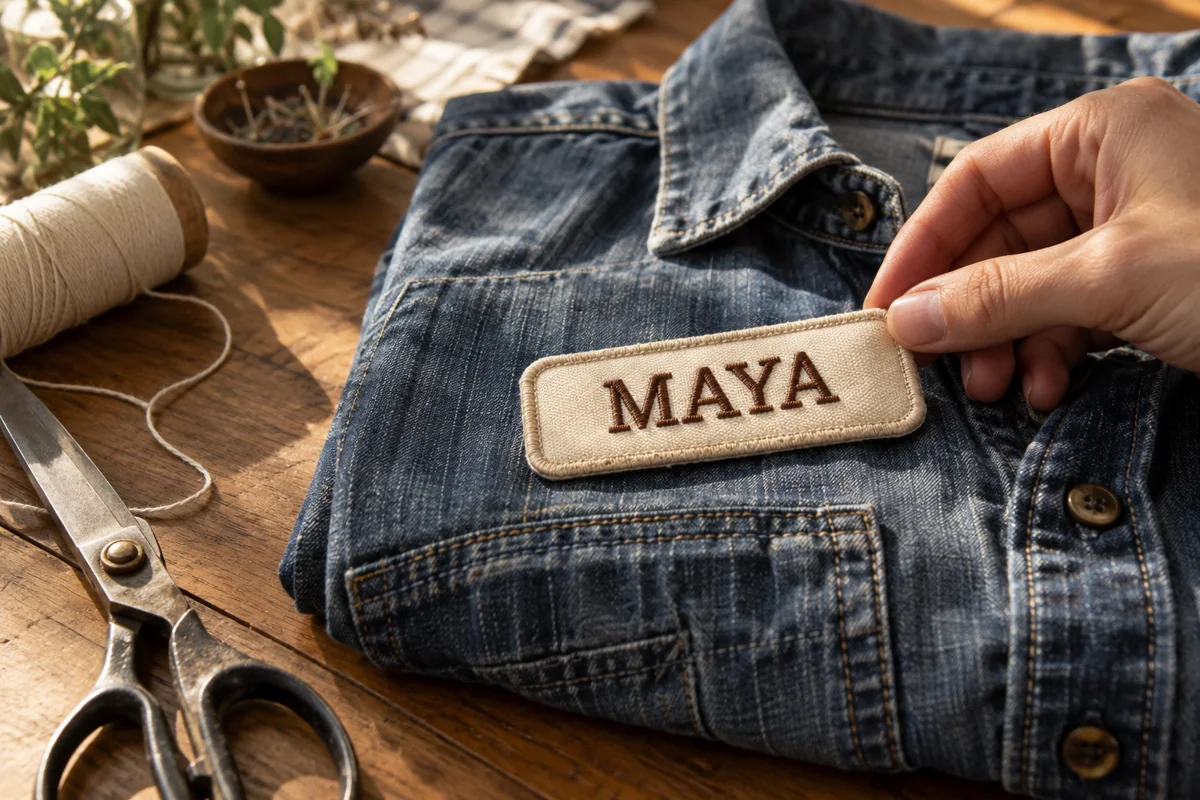 Badges & patches
Employee Name Patches Supplier in UAE. Custom patches for staff names, job titles and replaceable uniform.
Made to your specificationView product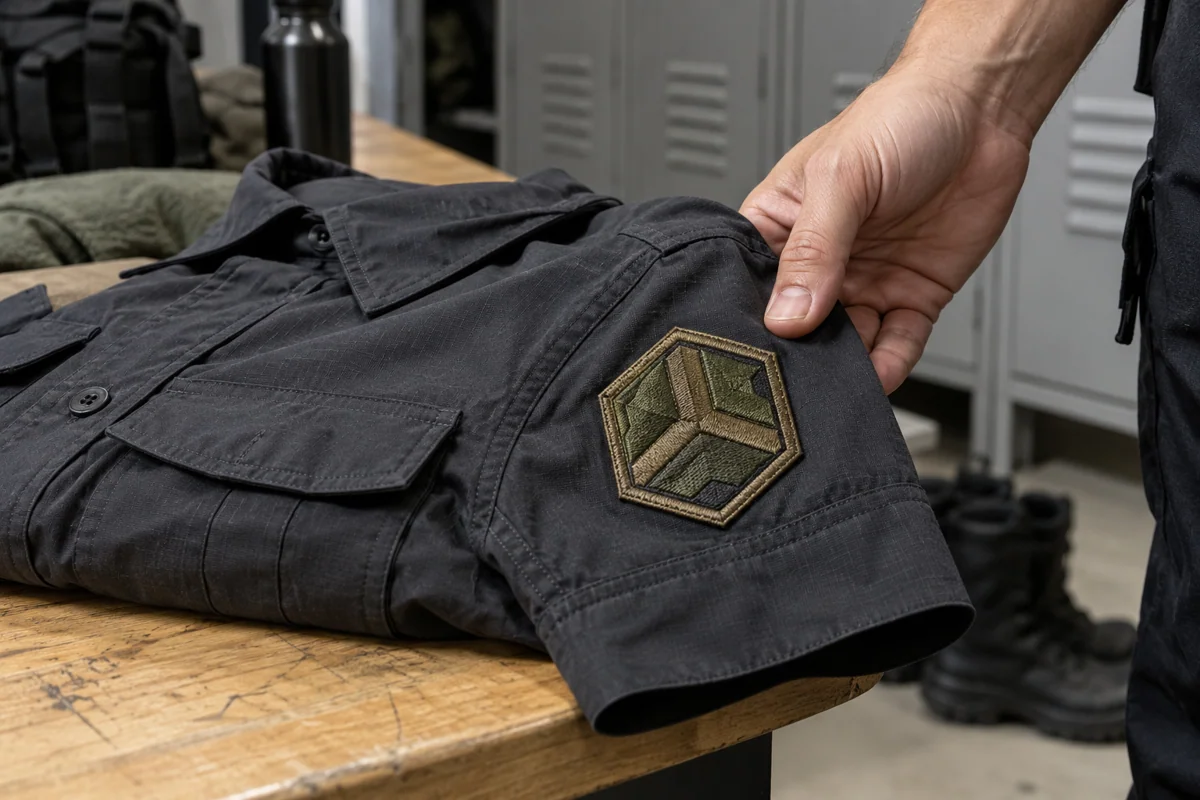 Badges & patches
Security Company Patches Supplier in UAE. Custom patches for private security workwear and company-approved role.
Made to your specificationView product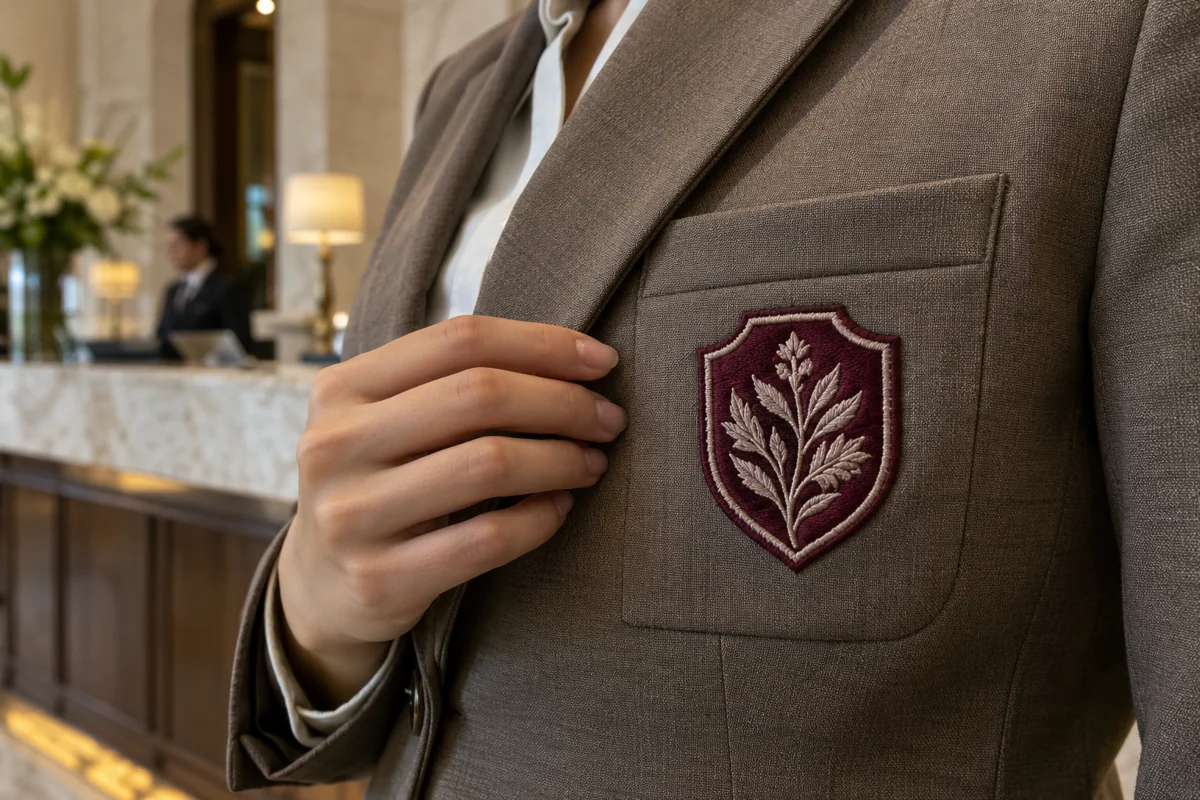 Badges & patches
Hotel & Hospitality Badges Supplier in UAE. Custom patches for reception blazers, concierge uniforms and.
Made to your specificationView product Badges & patches
Chef & Restaurant Badges Supplier in UAE. Custom patches for chef jackets, service aprons and restaurant team.
Made to your specificationView product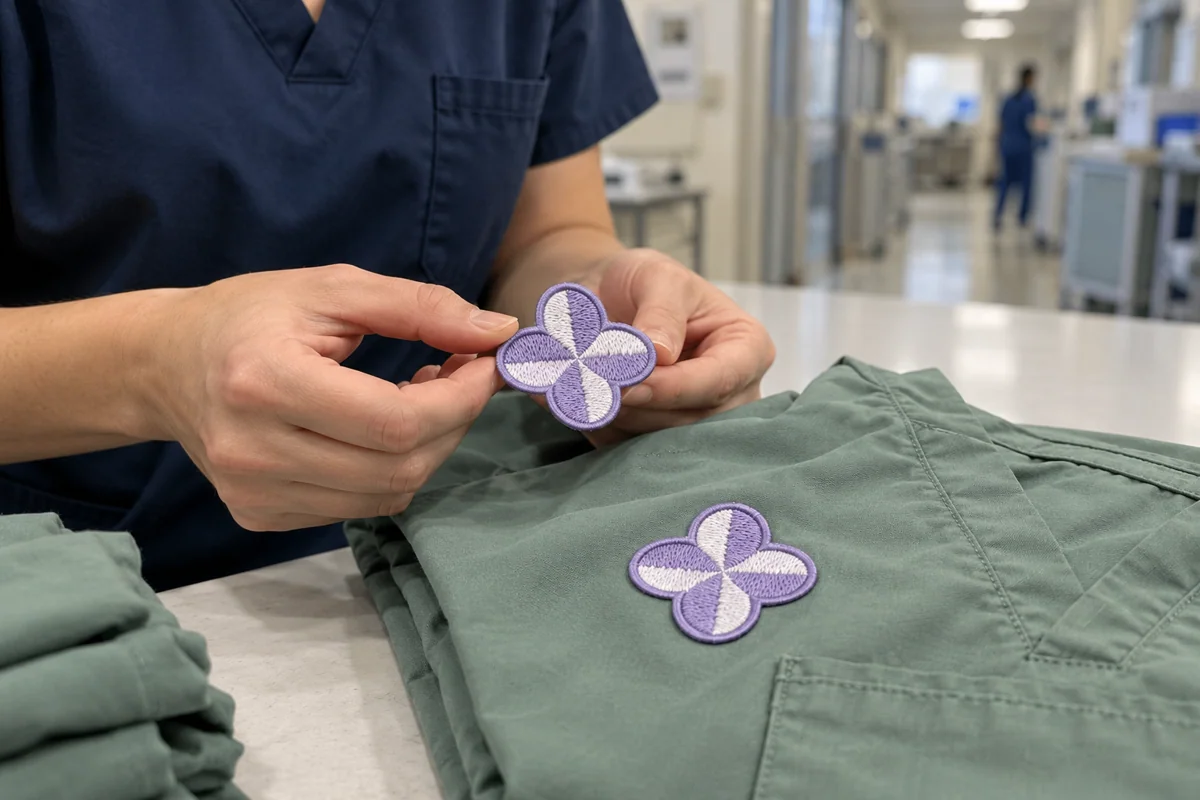 Badges & patches
Healthcare Uniform Badges Supplier in UAE. Custom clinic scrubs, healthcare team clothing and approved department.
Made to your specificationView product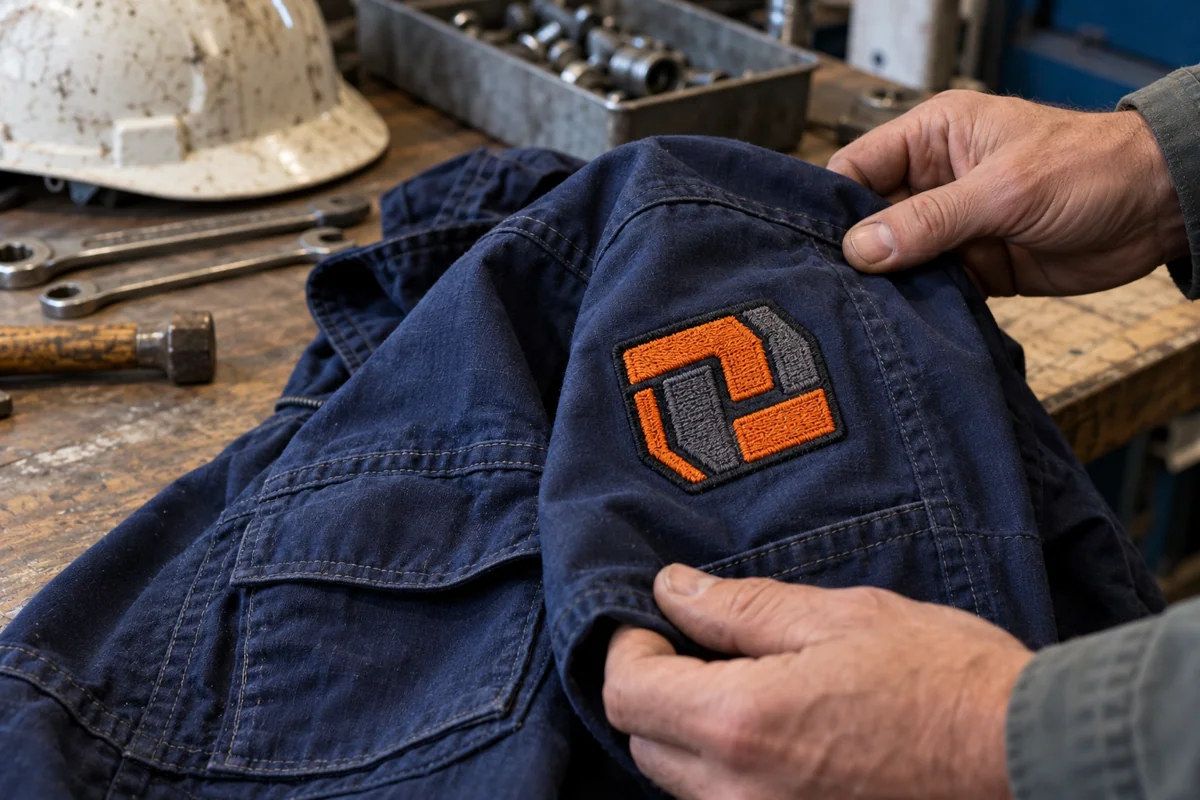 Badges & patches
Construction & Industrial Workwear Patches Supplier in UAE. Made to your approved artwork, dimensions, colours.
Made to your specificationView product Badges & patches
Airline & Airport Crew Patches Supplier in UAE. Made to your approved artwork, dimensions, colours and.
Made to your specificationView product Badges & patches
Courier & Logistics Patches Supplier in UAE. Custom delivery uniforms, warehouse teams and logistics company.
Made to your specificationView product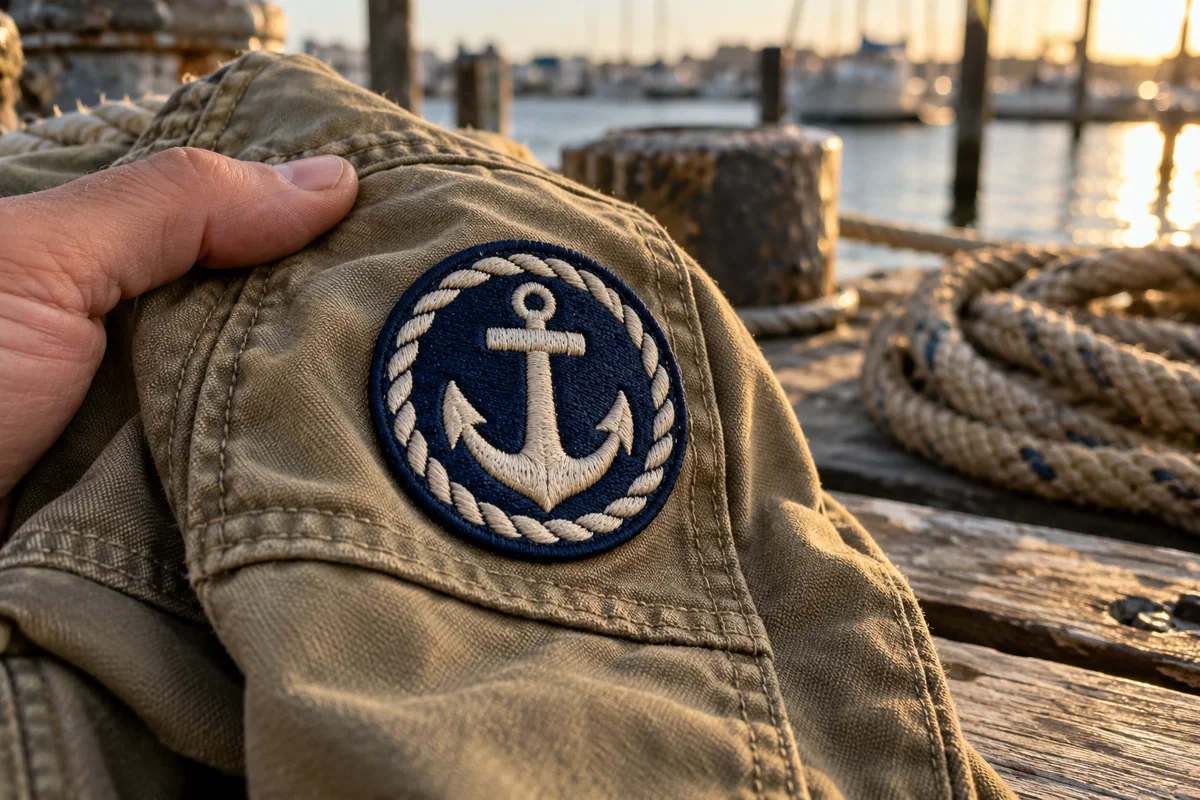 Badges & patches
Shipping & Marine Crew Patches Supplier in UAE. Custom marine workwear, port-service clothing and company crew.
Made to your specificationView product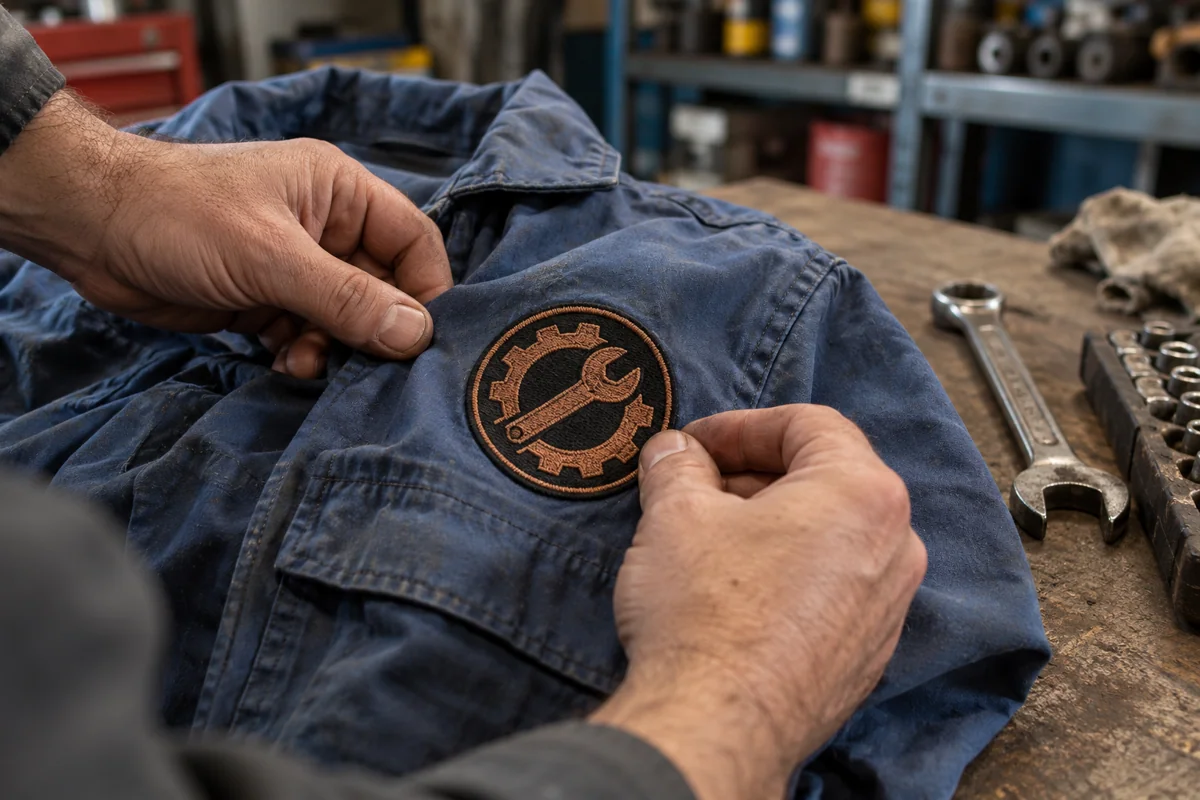 Badges & patches
Automotive Workshop Badges Supplier in UAE. Custom patches for mechanic shirts, garage uniforms and automotive.
Made to your specificationView product Badges & patches
Football Club Crest Patches Supplier in UAE. Custom patches for club shirts, football training wear and team.
Made to your specificationView product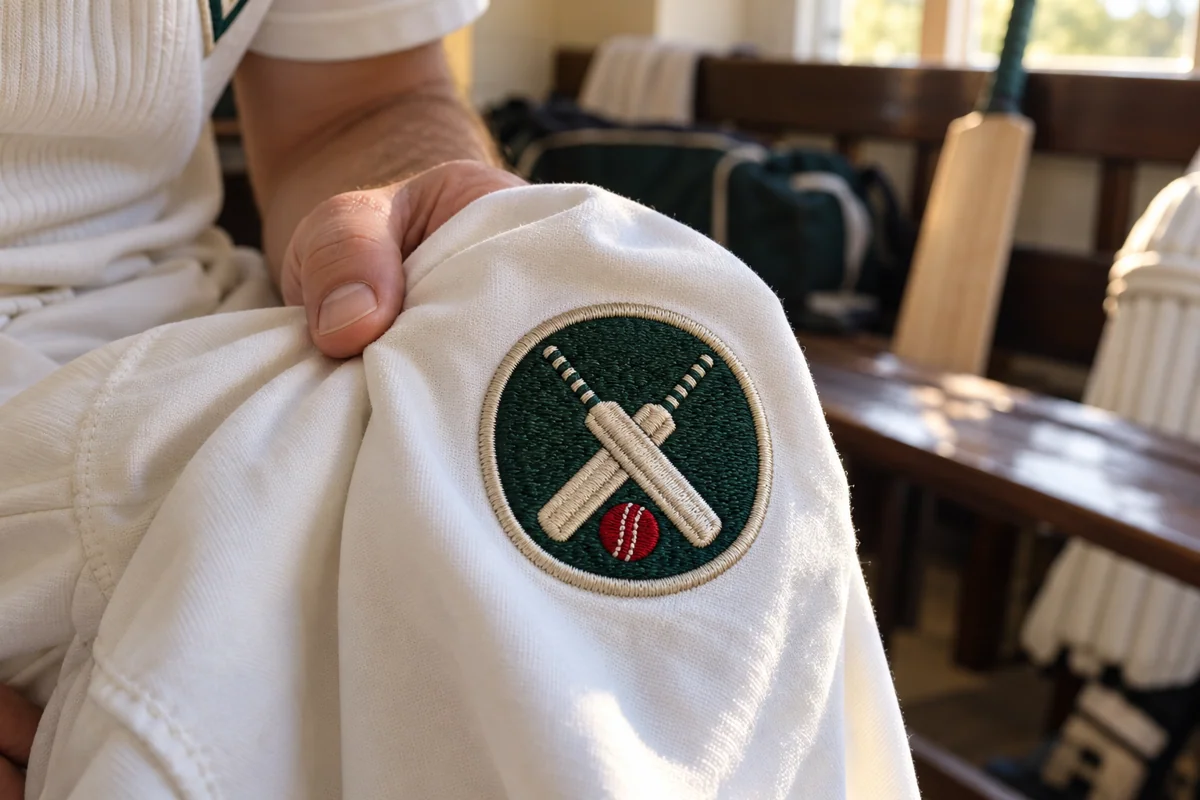 Badges & patches
Cricket Team Patches Supplier in UAE. Custom patches for cricket whites, club polos and team training clothing..
Made to your specificationView product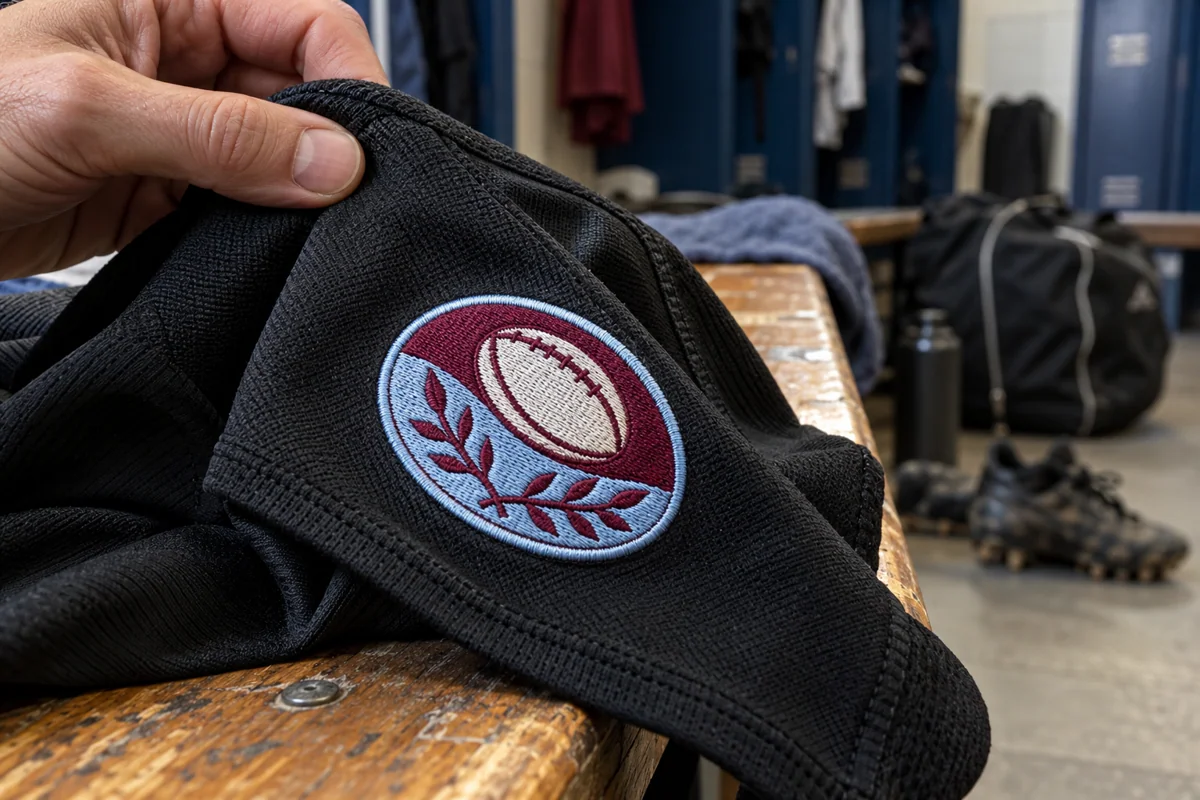 Badges & patches
Rugby Club Patches Supplier in UAE. Custom patches for rugby club jerseys, training wear and team leisure.
Made to your specificationView product Badges & patches
Basketball & Volleyball Patches Supplier in UAE. Custom court-sport team uniforms, warm-up jackets and club.
Made to your specificationView product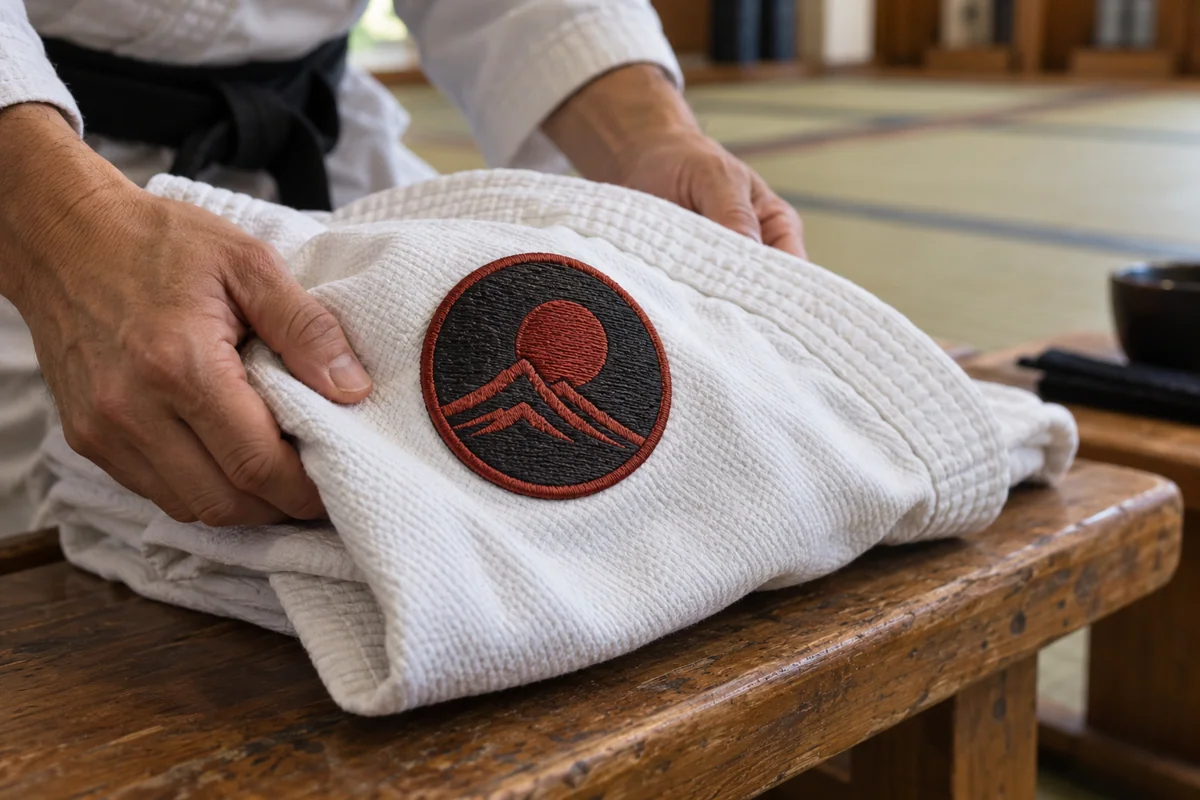 Badges & patches
Martial Arts Badges Supplier in UAE. Custom patches for dojo uniforms, martial arts clubs and instructor.
Made to your specificationView product Badges & patches
Gym & Fitness Patches Supplier in UAE. Custom patches for fitness staff uniforms, gym clubs and training.
Made to your specificationView product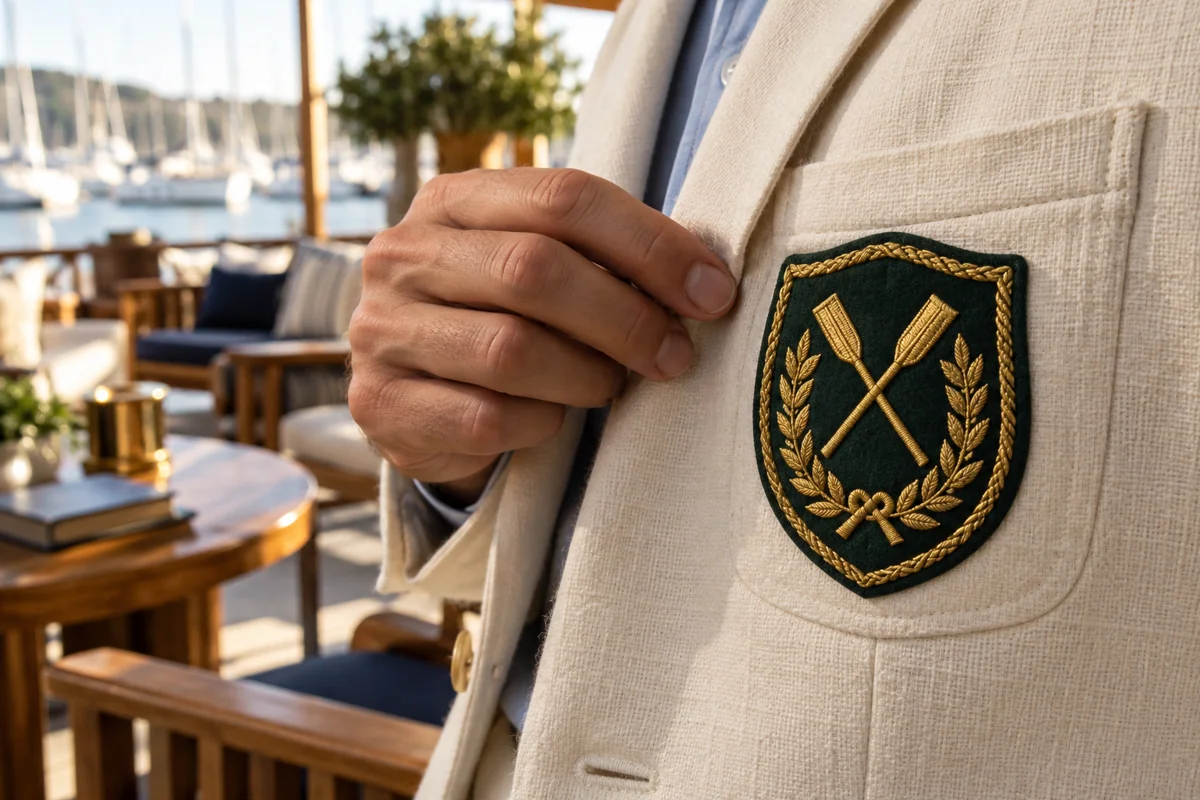 Badges & patches
Golf & Yacht Club Crests Supplier in UAE. Custom patches for club blazers, golf leisurewear and yacht-club.
Made to your specificationView product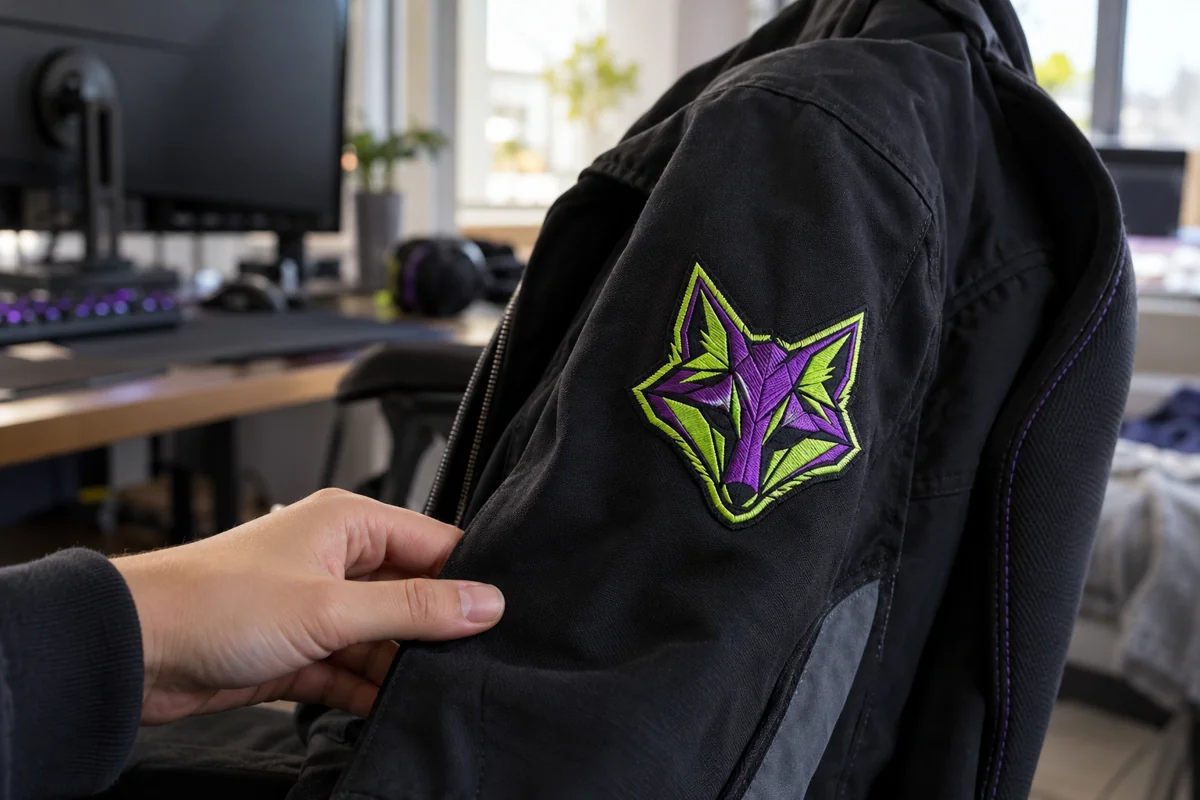 Badges & patches
Esports Team Patches Supplier in UAE. Custom patches for gaming team jerseys, varsity-style jackets and esports.
Made to your specificationView product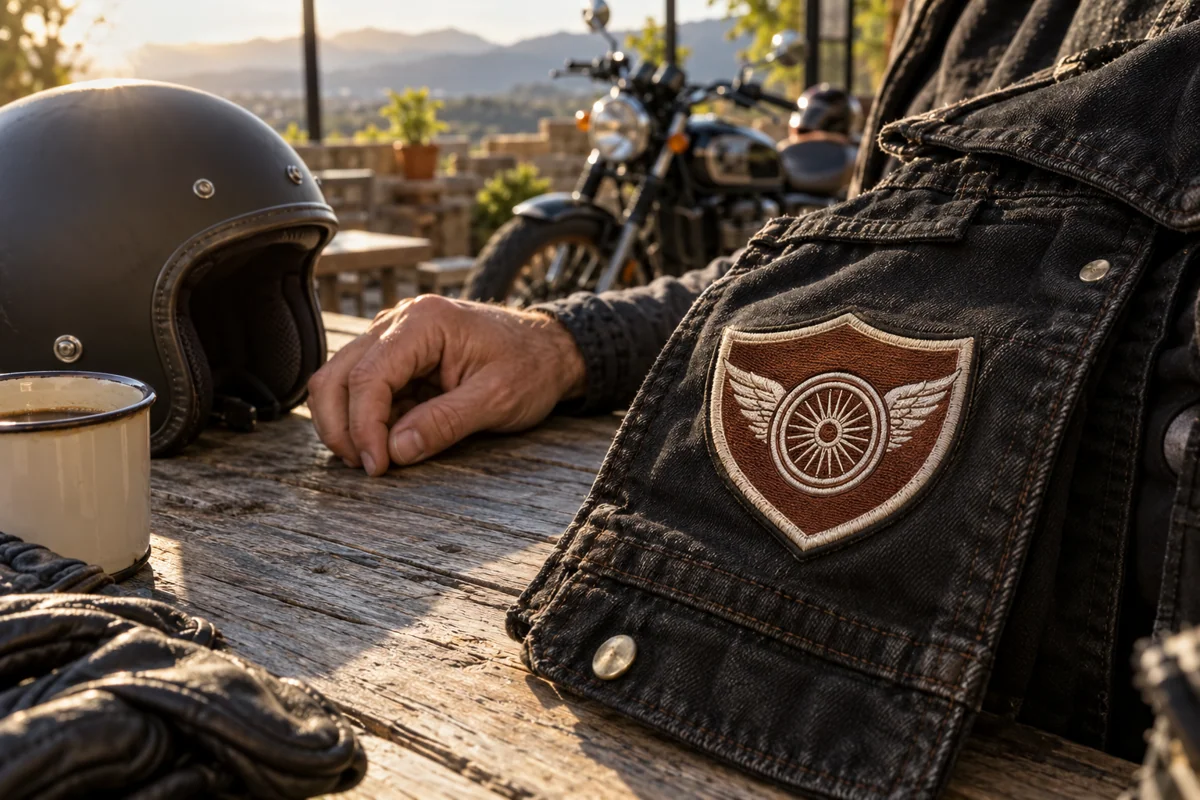 Badges & patches
Motorcycle Club Patches Supplier in UAE. Custom patches for riding-club vests, group jackets and motorcycle event.
Made to your specificationView product Badges & patches
Biker Back Patches Supplier in UAE. Custom artwork, sizes, colours and attachment options. Request a quote with.
Made to your specificationView product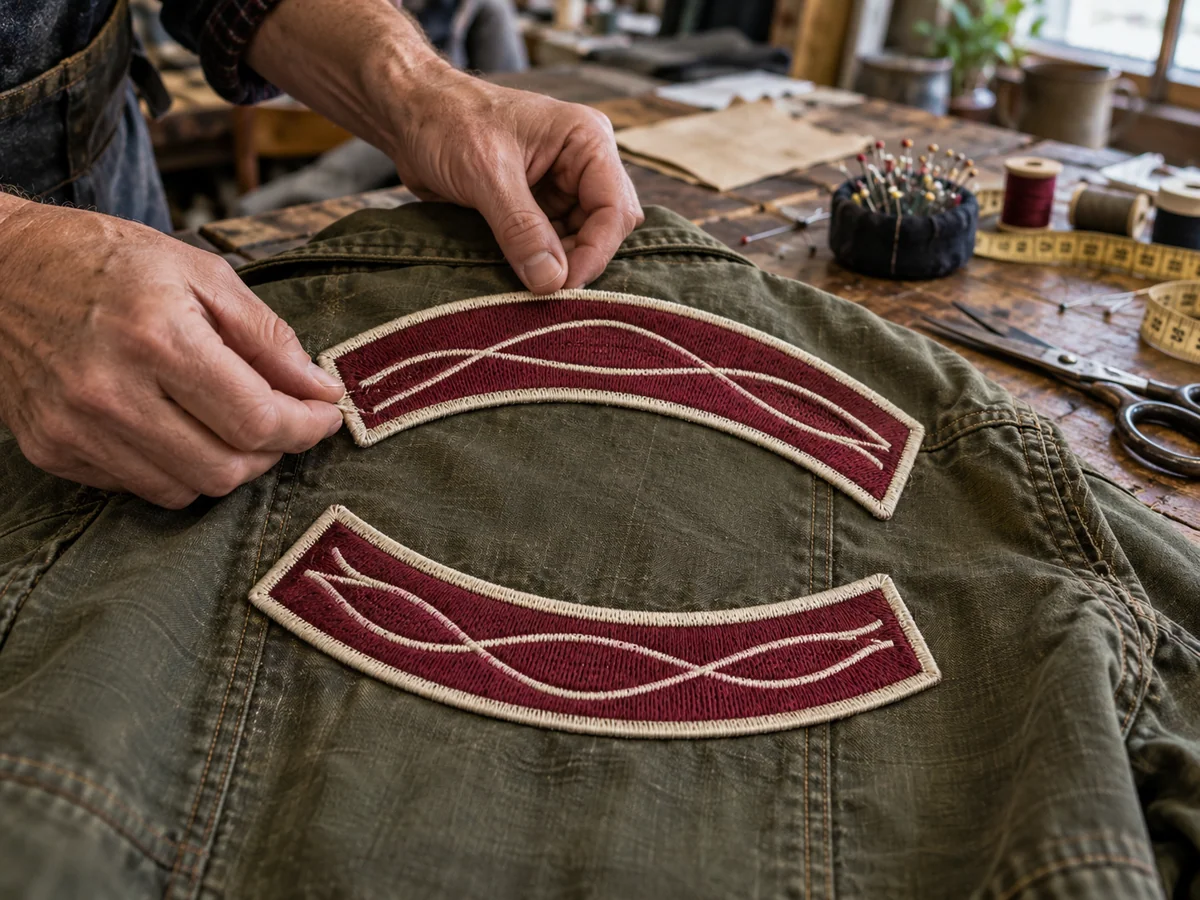 Badges & patches
Top & Bottom Rocker Patches Supplier in UAE. Custom artwork, sizes, colours and attachment options. Request a.
Made to your specificationView product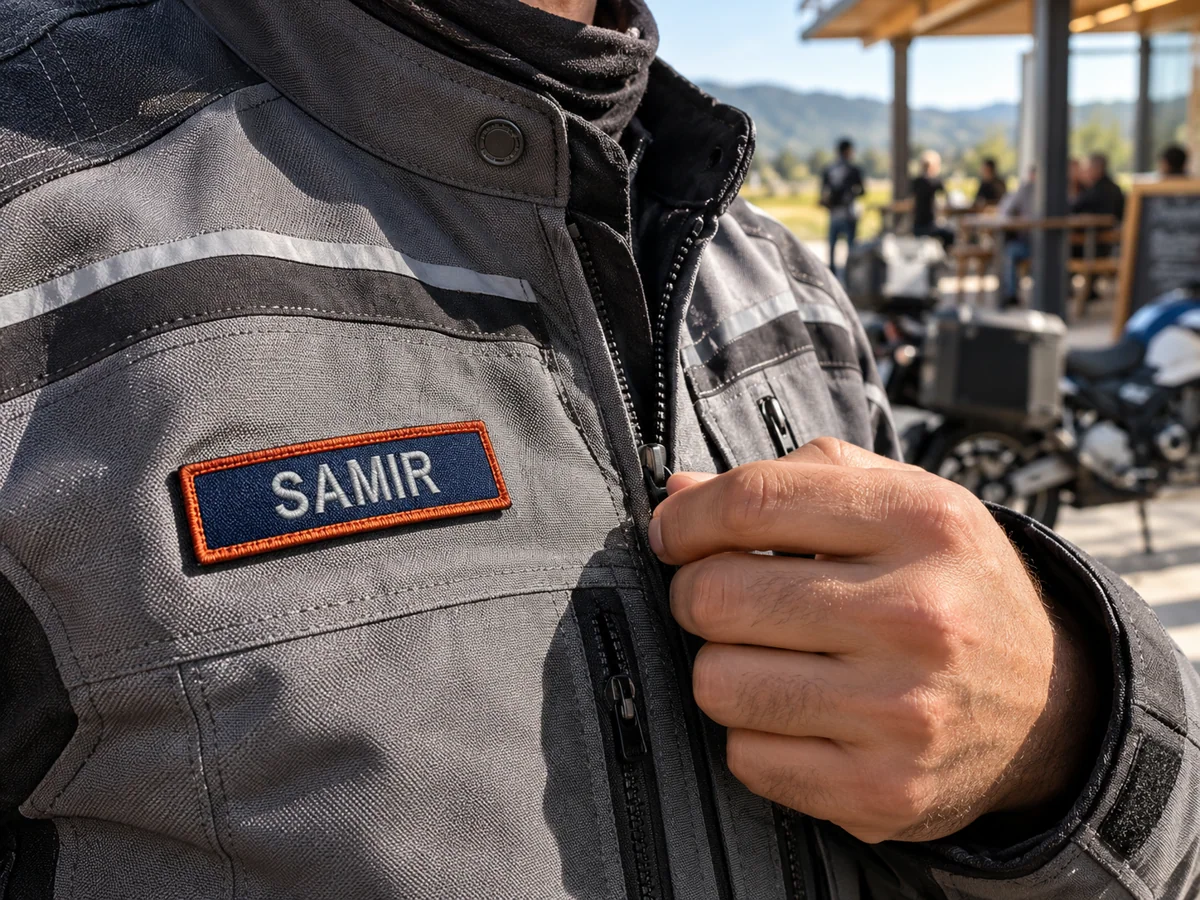 Badges & patches
Rider Name Patches Supplier in UAE. Custom artwork, sizes, colours and attachment options. Request a quote with.
Made to your specificationView product Badges & patches
Car Club Patches Supplier in UAE. Custom artwork, sizes, colours and attachment options. Request a quote with.
Made to your specificationView product Badges & patches
Off-Road Club Patches Supplier in UAE. Custom artwork, sizes, colours and attachment options. Request a quote.
Made to your specificationView product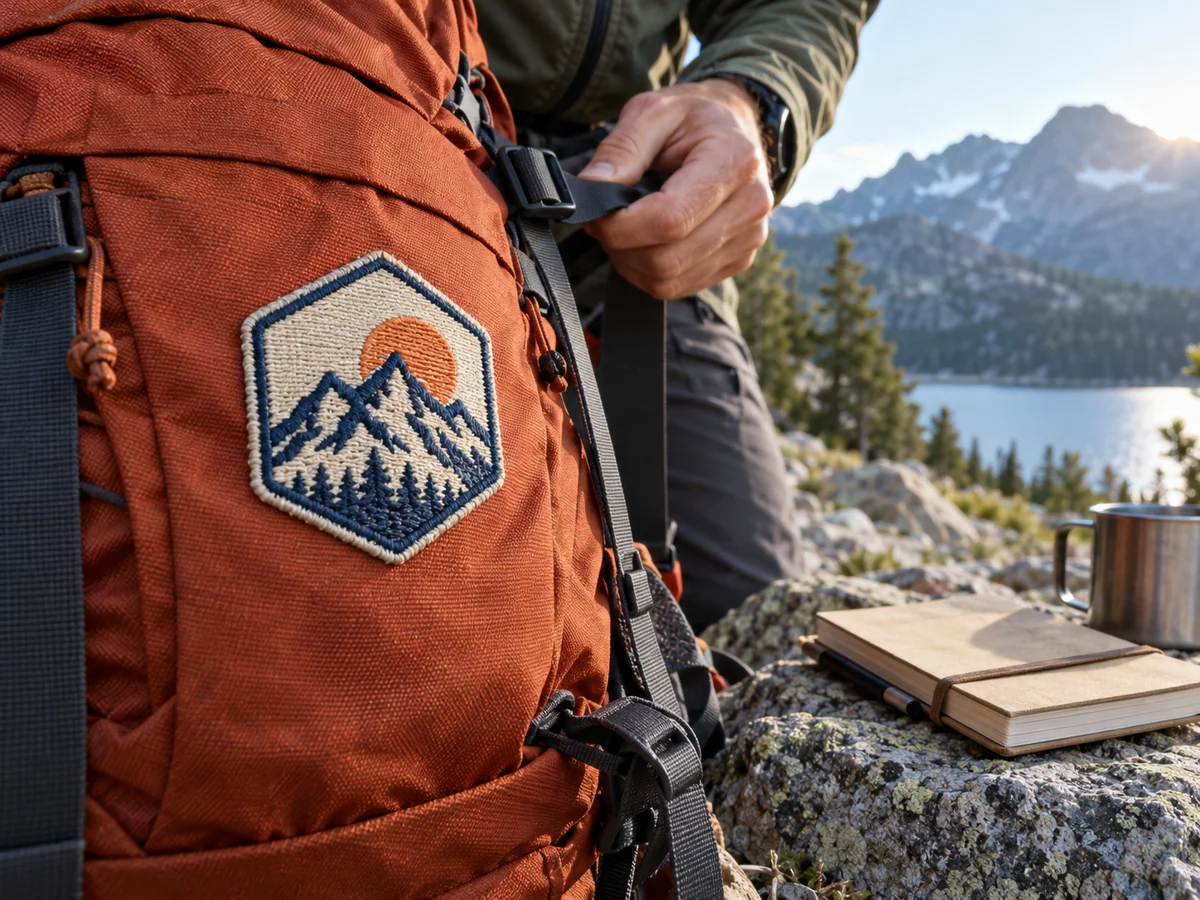 Badges & patches
Camping & Hiking Patches Supplier in UAE. Custom artwork, sizes, colours and attachment options. Request a quote.
Made to your specificationView product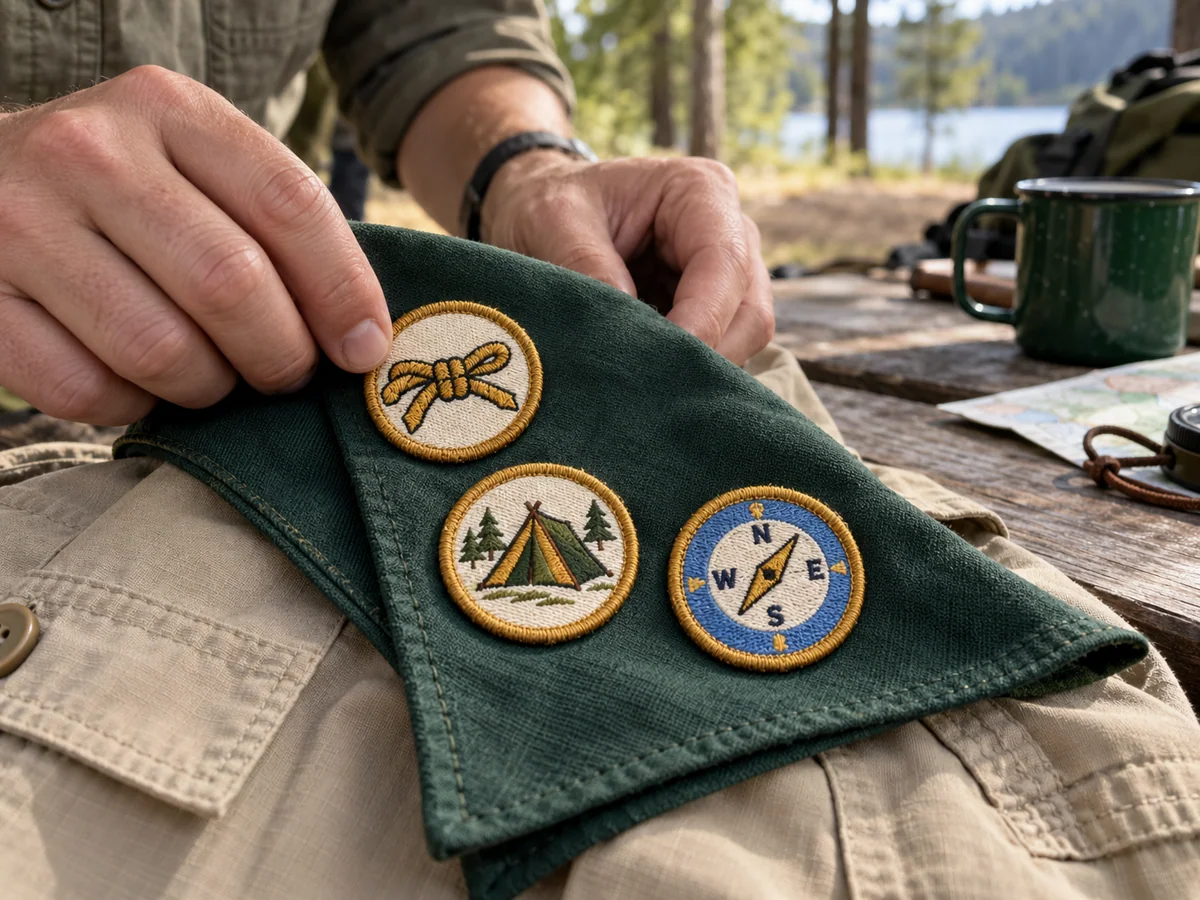 Badges & patches
Scouting Badges Supplier in UAE. Custom artwork, sizes, colours and attachment options. Request a quote with your.
Made to your specificationView product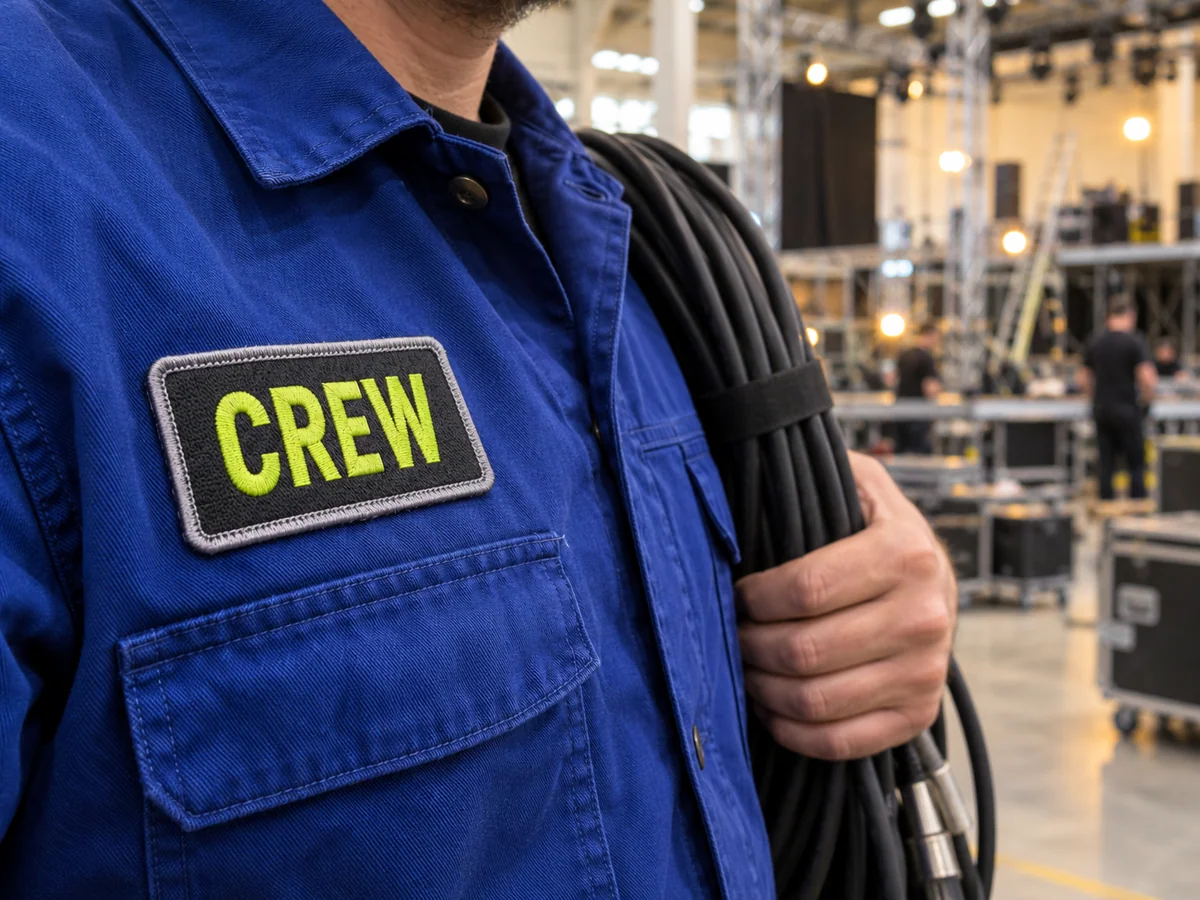 Badges & patches
Event Crew Badges Supplier in UAE. Custom artwork, sizes, colours and attachment options. Request a quote with.
Made to your specificationView product Badges & patches
Volunteer Patches Supplier in UAE. Custom artwork, sizes, colours and attachment options. Request a quote with.
Made to your specificationView product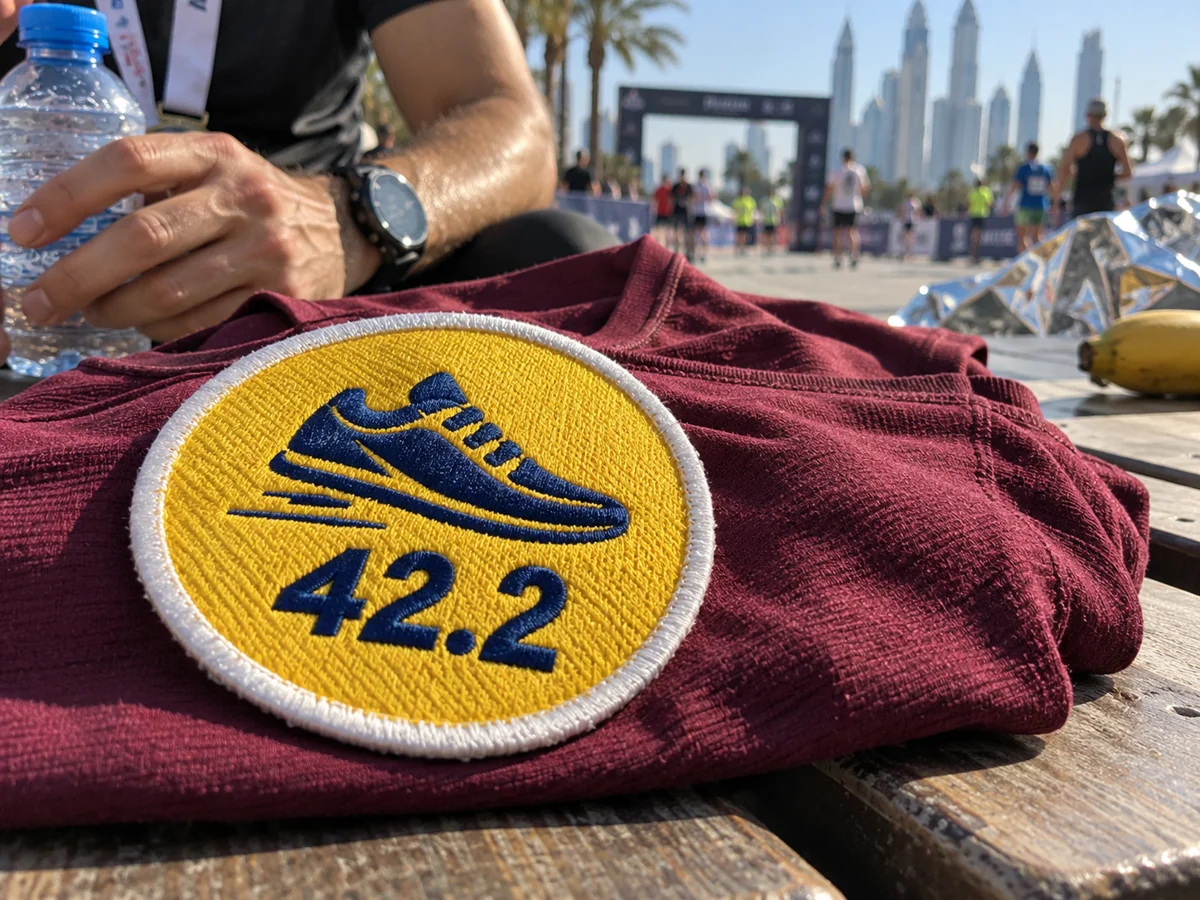 Badges & patches
Marathon Finisher Patches Supplier in UAE. Custom artwork, sizes, colours and attachment options. Request a quote.
Made to your specificationView product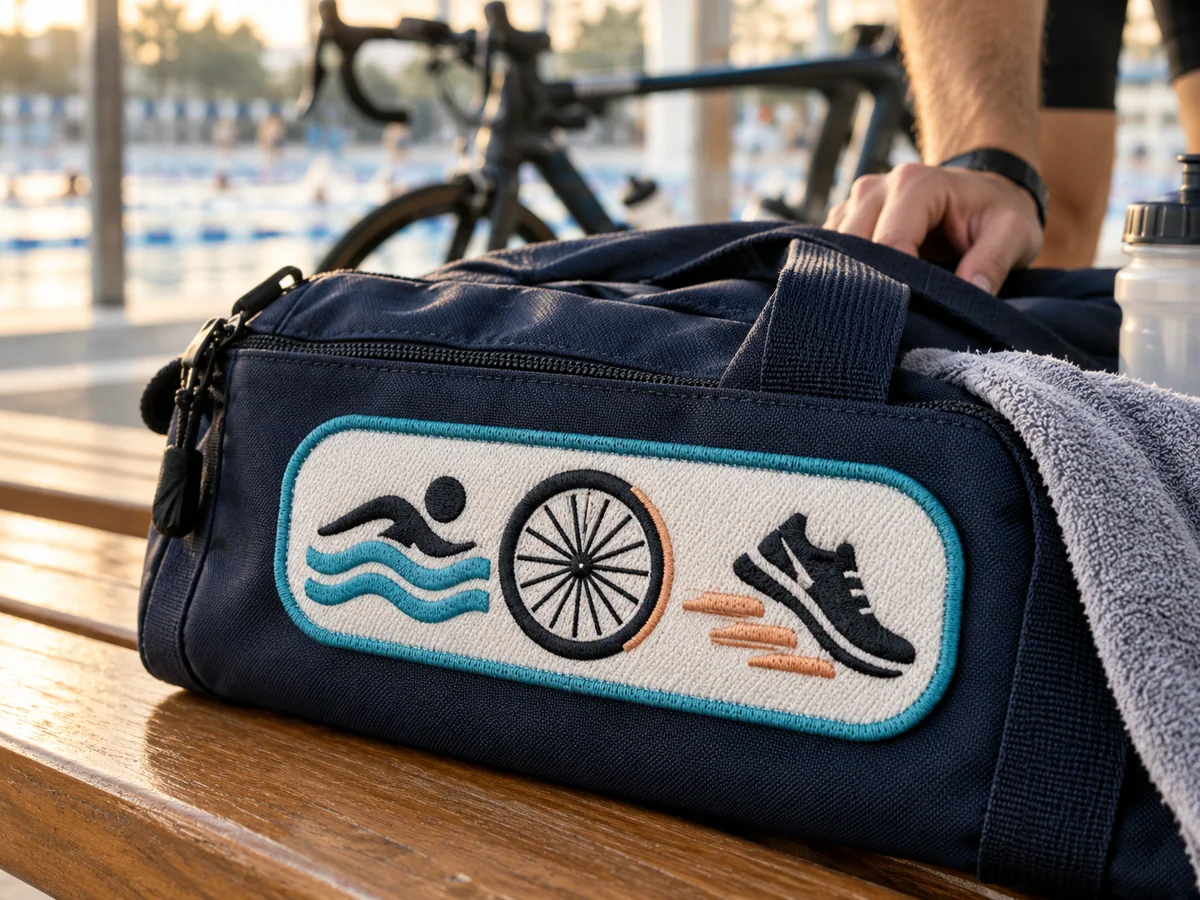 Badges & patches
Cycling & Triathlon Patches Supplier in UAE. Custom artwork, sizes, colours and attachment options. Request a.
Made to your specificationView product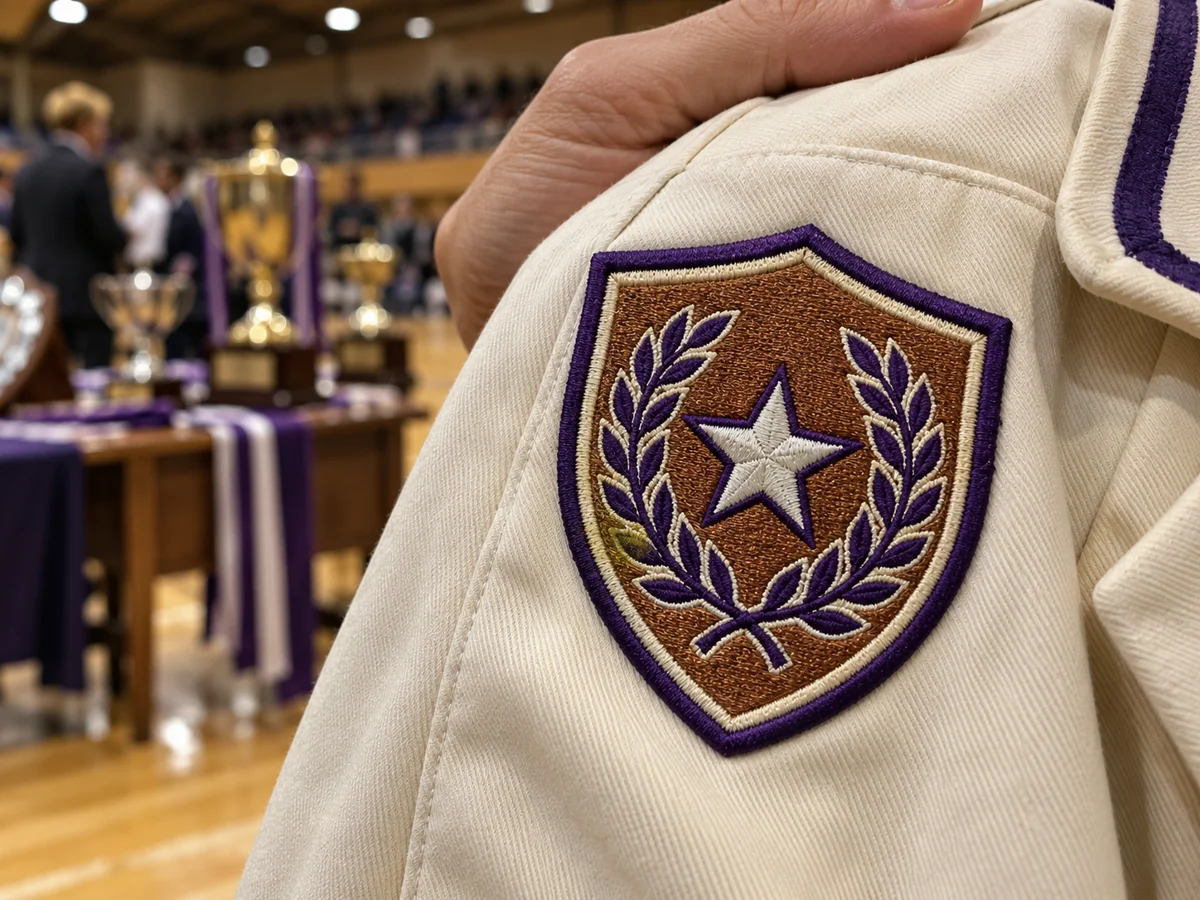 Badges & patches
Tournament & Championship Patches Supplier in UAE. Custom artwork, sizes, colours and attachment options. Request.
Made to your specificationView product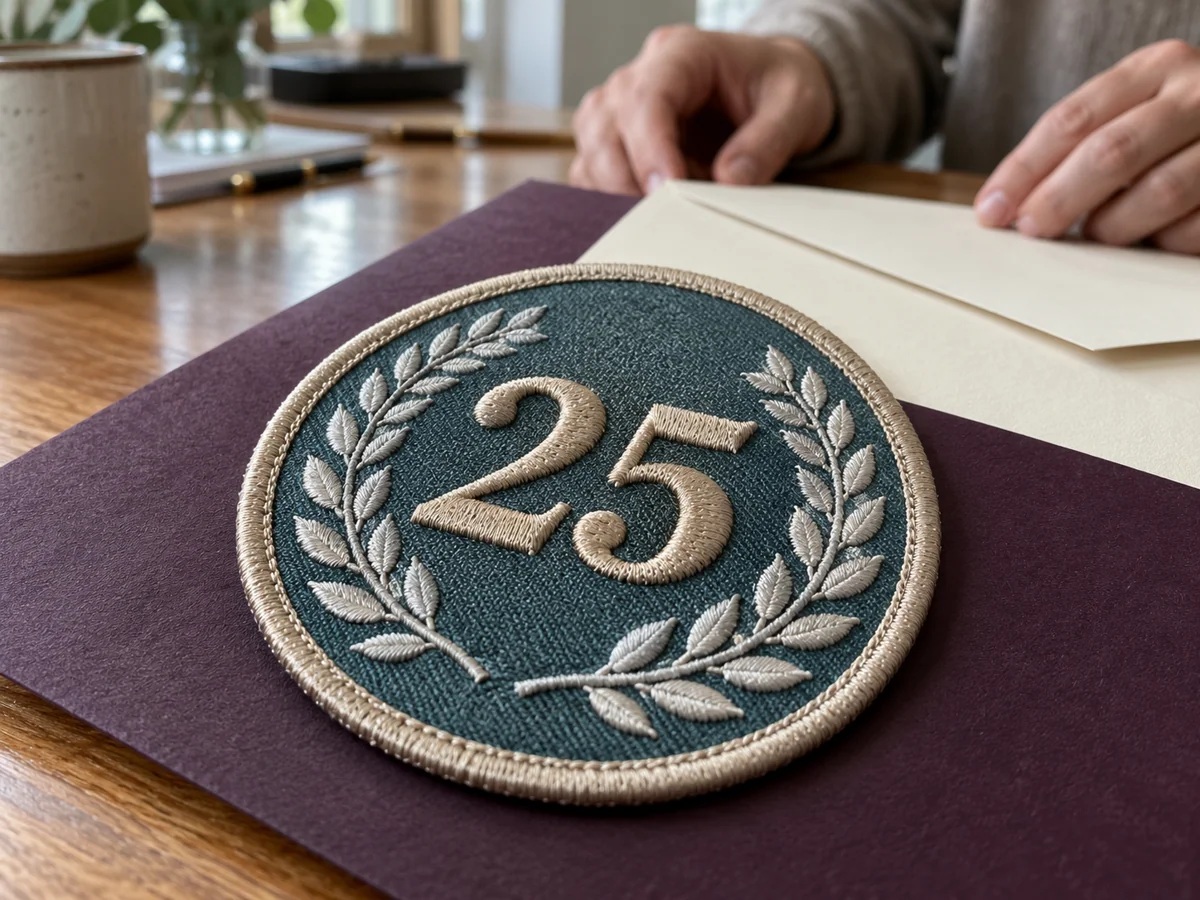 Badges & patches
Anniversary & Commemorative Patches Supplier in UAE. Custom artwork, sizes, colours and attachment options..
Made to your specificationView product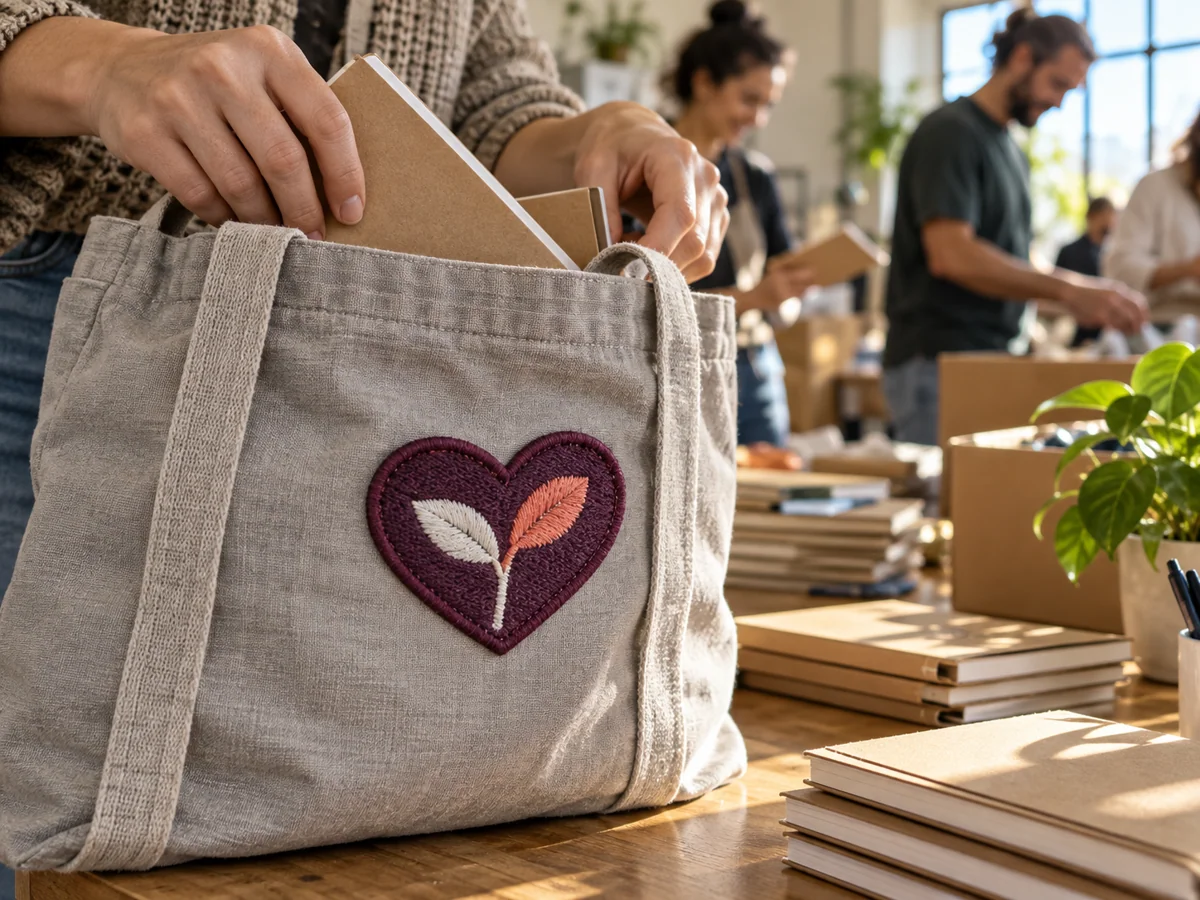 Badges & patches
Charity Campaign Patches Supplier in UAE. Custom artwork, sizes, colours and attachment options. Request a quote.
Made to your specificationView product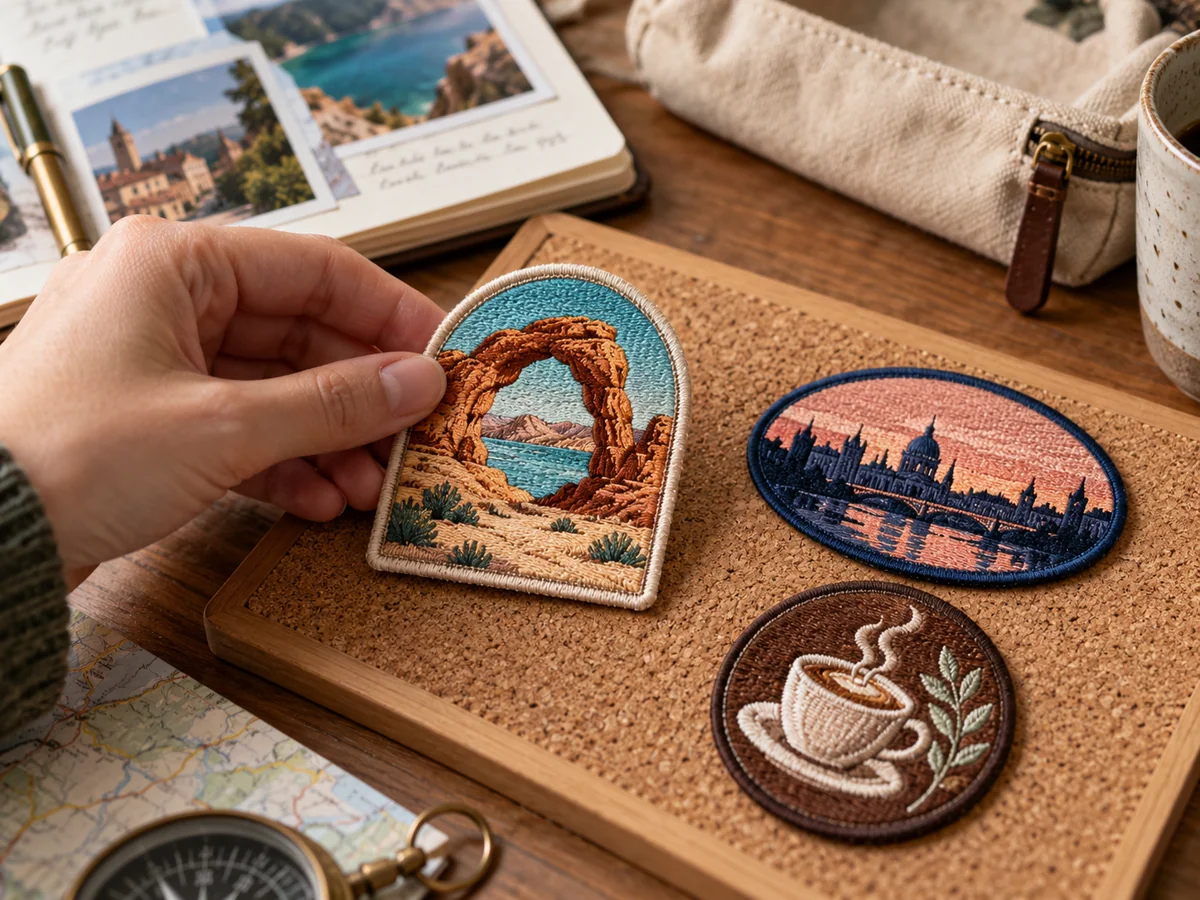 Badges & patches
Souvenir & Collector Patches Supplier in UAE. Custom artwork, sizes, colours and attachment options. Request a.
Made to your specificationView product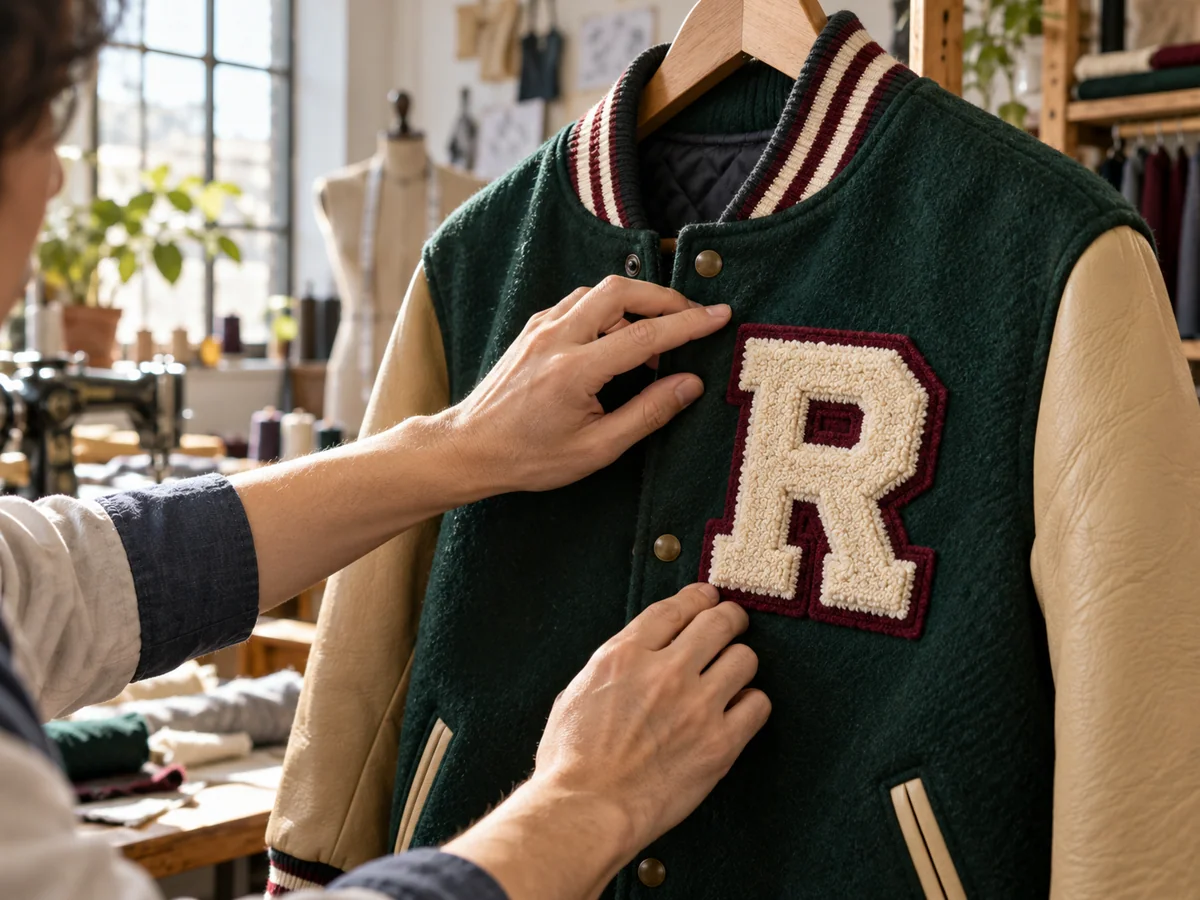 Badges & patches
Varsity Jacket Patches Supplier in UAE. Custom artwork, sizes, colours and attachment options. Request a quote.
Made to your specificationView product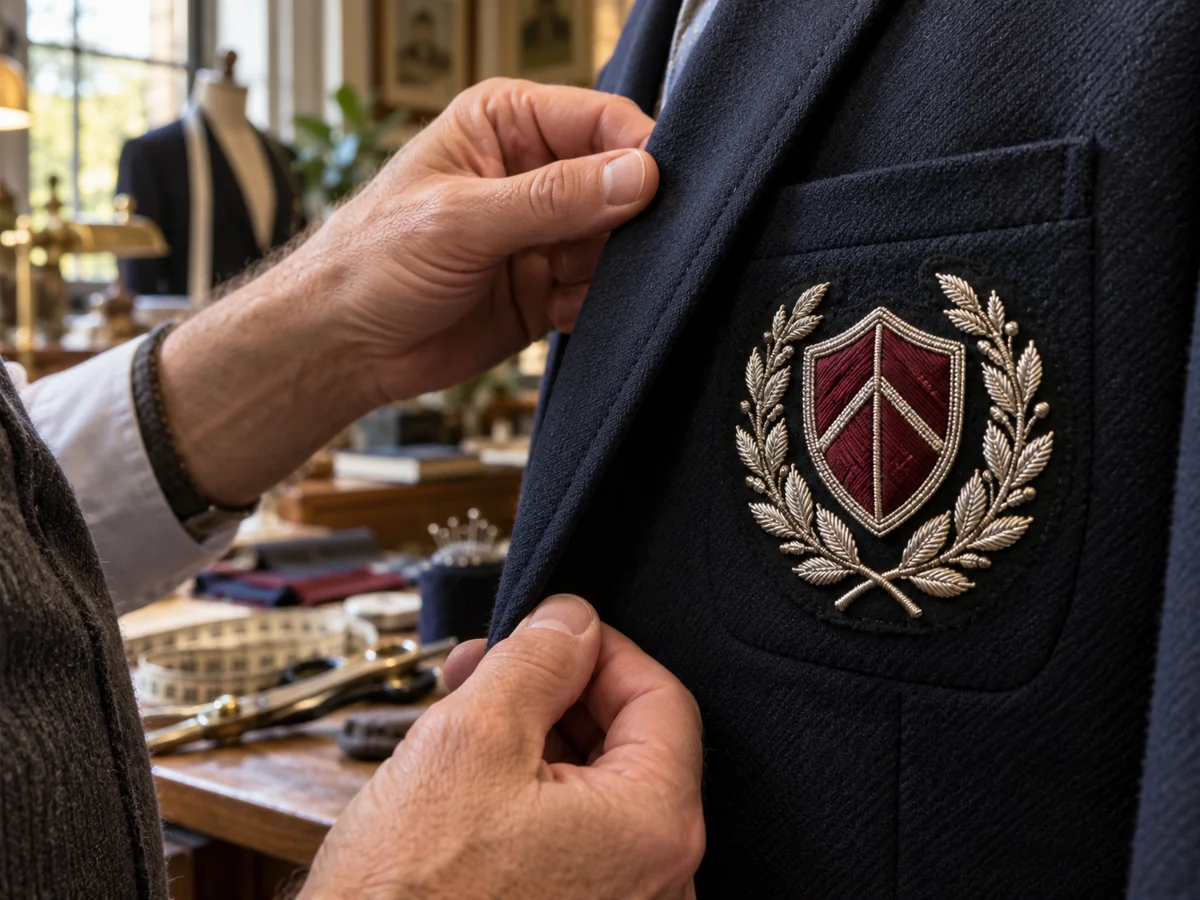 Badges & patches
Blazer Crests Supplier in UAE. Custom artwork, sizes, colours and attachment options. Request a quote with your.
Made to your specificationView product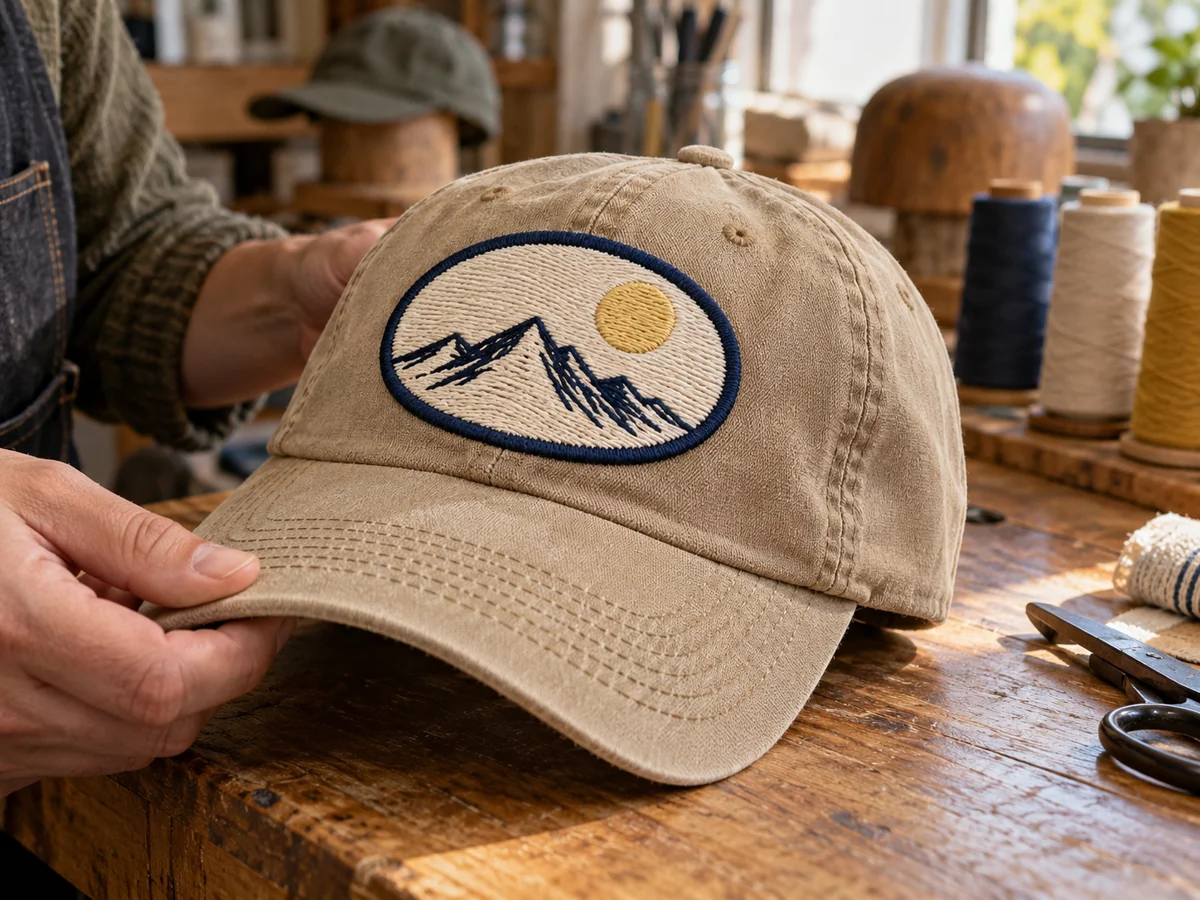 Badges & patches
Cap & Hat Patches Supplier in UAE. Custom artwork, sizes, colours and attachment options. Request a quote with.
Made to your specificationView product Badges & patches
Jacket Sleeve Patches Supplier in UAE. Custom artwork, sizes, colours and attachment options. Request a quote.
Made to your specificationView product Badges & patches
Backpack & Bag Patches Supplier in UAE. Custom artwork, sizes, colours and attachment options. Request a quote.
Made to your specificationView product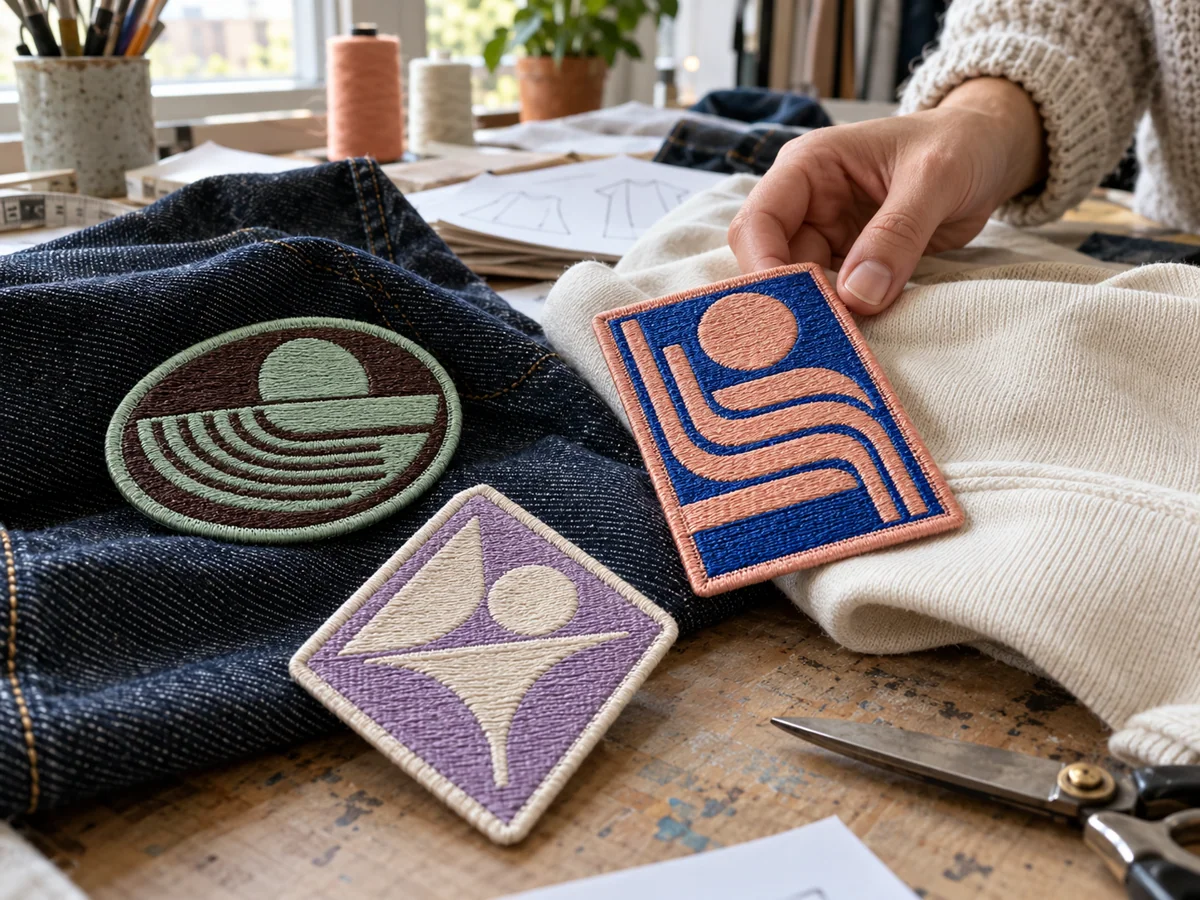 Badges & patches
Fashion Brand Patches Supplier in UAE. Custom artwork, sizes, colours and attachment options. Request a quote.
Made to your specificationView productA practical permanent attachment where the receiving fabric and patch edge allow stitching. Confirm placement, edge clearance and garment care with your brief.
Available for suitable constructions and compatible fabrics. Confirm the supplier’s application settings and test the receiving garment; heat-sensitive materials need a different approach.
Useful for removable name or team patches. Confirm the hook backing, matching loop panel, garment attachment and whether both components are included.
Temporary adhesive may suit short-term identification on suitable surfaces. Request compatibility advice; it is not a general replacement for permanent garment attachment.
Send a clear logo or vector file, finished width and height, preferred shape and colours. State Arabic or English lettering requirements.
Choose thread embroidery or another suitable material. Discuss stitch coverage, fabric or felt ground, raised details and merrow, satin or cut edges.
Identify the receiving garment and backing. Review the artwork proof, digitising or setup charges, and any agreed physical sampling before production.
List quantities for every design, size and name. Include the delivery destination and required date. Timing and final inclusions are confirmed by quotation.
A badge or patch needs to suit the design and the place where it will be attached. Embroidered, woven, printed and other constructions can produce different visual results. Start with the intended garment, accessory or display item and the artwork you want to reproduce. A bold crest and a small label containing detailed lettering may need different approaches even when both are described as a uniform badge.
Browse the dedicated profiles to compare possible applications and send the relevant SKU with your enquiry. Construction, backing, dimensions and finishing remain part of the order specification; the application name alone does not settle them.
Embroidery builds the design with stitches, so fine lines and small letters should be reviewed at actual size. A woven construction can be worth discussing for detail that needs a different thread structure. Printed fabric badges may suit multicolour artwork where a stitch interpretation would change the appearance. Ask to see how the proposed method handles the smallest text and the outer edge.
Supply a clean logo file and explain which elements are essential. If the design needs simplifying, approve that change before a sample or production run. Increasing the badge size may help some details, but it also changes how the badge sits on the intended garment.
Give both width and height, plus the required shape. Explain whether measurements include the border. Circular, rectangular, shield-shaped and custom outlines each need a clear drawing or reference. A border is part of the visual identity and construction, so confirm its colour, width and proposed finishing method with the supplier rather than treating it as an afterthought.
Check whether the intended edge suits the selected artwork and attachment approach. Closely placed letters or narrow projecting shapes can create avoidable finishing difficulties. A full-size proof helps reveal those issues before a physical sample is agreed.
Backing and attachment should be selected for the actual garment or accessory. Sew-on construction, hook-and-loop arrangements and heat-applied options involve different requirements. Do not assume a heat-applied backing is suitable for every fabric, coating or care programme. The product and garment instructions should guide the application process, and an agreed trial can help confirm the result.
Tell the team whether the patch is permanent, removable or intended to be transferred between items. If hook-and-loop is requested, confirm which mating components are included. For an existing uniform programme, photographs and the current attachment specification are useful starting references.
Schools, security teams, event crews and corporate groups may use several related badge designs. Prepare a schedule distinguishing the main crest, department name, role label and individual variants. List quantities by design rather than providing only a combined total. This helps the quotation show where artwork preparation, samples and production quantities differ.
Agree on the approved spelling, colour references and design version for each line. Placement on a garment should be confirmed with the clothing supplier or responsible team. Avoid using product photographs as evidence that a particular organisation has approved or previously purchased that design.
When a sample is part of the order, assess it at the finished size and under normal viewing conditions. Review the smallest lettering, colour interpretation, stitch or print detail, border shape and backing. Check the sample on the intended item where application compatibility is important. The final quotation should explain the sample scope and approval stage without assuming it is included automatically.
Keep the accepted design file, dimensions, construction and backing together with your SKU and order reference. A repeat order should identify any change to the uniform or attachment method. Orient Uniforms FZE handles enquiries from Sharjah and confirms product suitability, quantities and timing for the actual brief. You can combine badge enquiries with flags and printed textiles in the same enquiry basket.
Judge the design on the item where it will be used, rather than only as an enlarged image on a screen. A badge that looks balanced by itself may appear too large on a sleeve or too small on a bag. Compare the position with seams, pockets and other identification. Ask the responsible uniform team to approve placement as well as artwork.
Care requirements also belong in the conversation. The proposed badge and attachment should be assessed alongside the garment’s own care instructions. If the uniform is supplied by another company, coordinate the application and sample review with them. Keep a record of the accepted backing and application approach so that a future replacement is not ordered solely by matching the visible front design.