
 Events flags
SKU-EMRF-0141
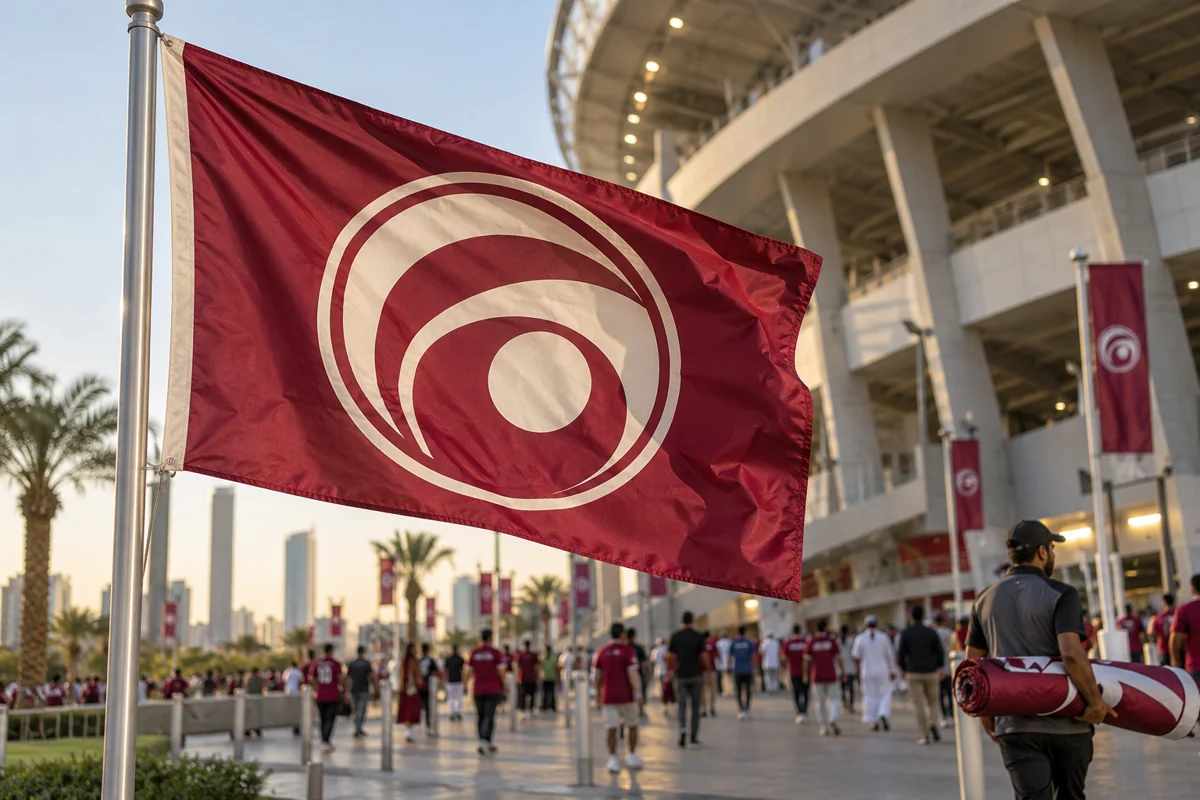
Football Stadium Flags
Football Stadium Flags Supplier in UAE. Custom printed event branding, sizes and compatible display options..
Made to your specificationView productCustom flags for football stadiums, marathons, beach events, graduation ceremonies and 41 more event ranges. Find your occasion, compare formats and share its SKU for a quotation.
Events flagsFootball Stadium Flags Supplier in UAE. Custom printed event branding, sizes and compatible display options..
Made to your specificationView product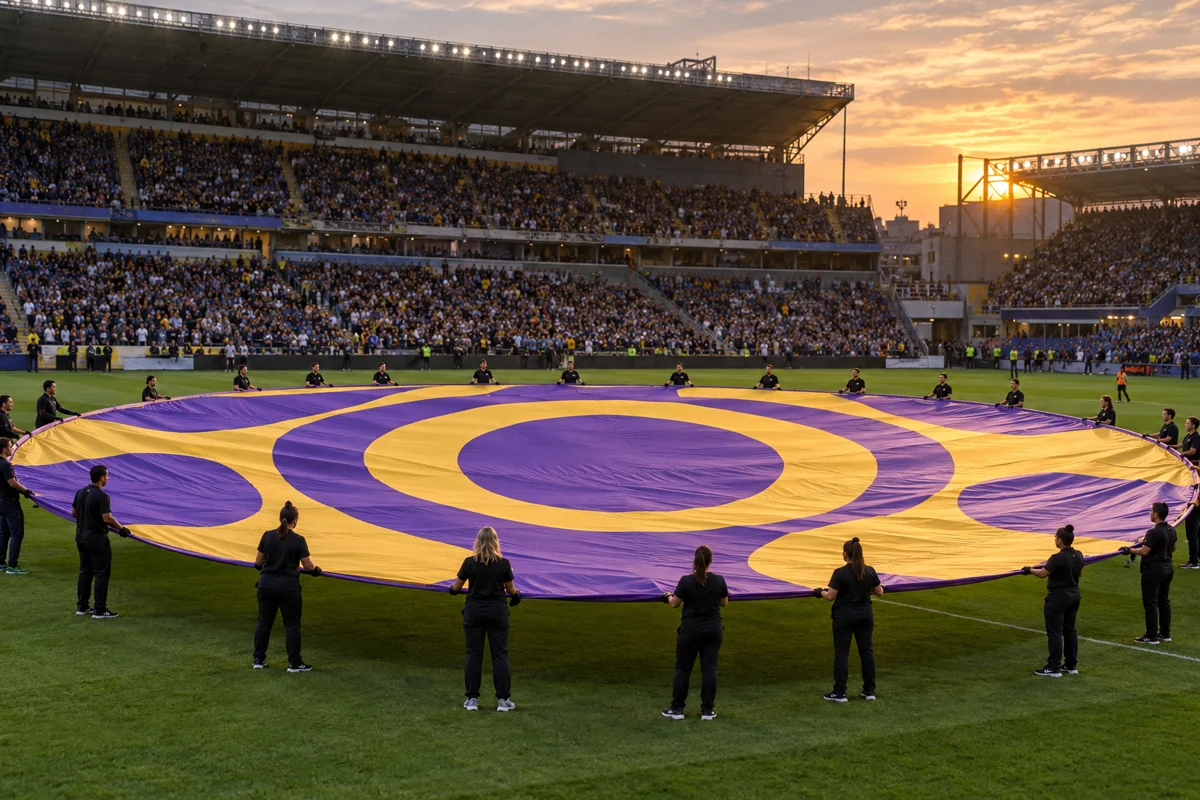 Events flags
Giant Stadium & Pitch Presentation Flags Supplier in UAE. Custom printed event branding, sizes and compatible.
Made to your specificationView product Events flags
Football Club & Supporter Flags Supplier in UAE. Custom printed event branding, sizes and compatible display.
Made to your specificationView product Events flags
Football Corner Flags Supplier in UAE. Custom printed event branding, sizes and compatible display options. Share.
Made to your specificationView product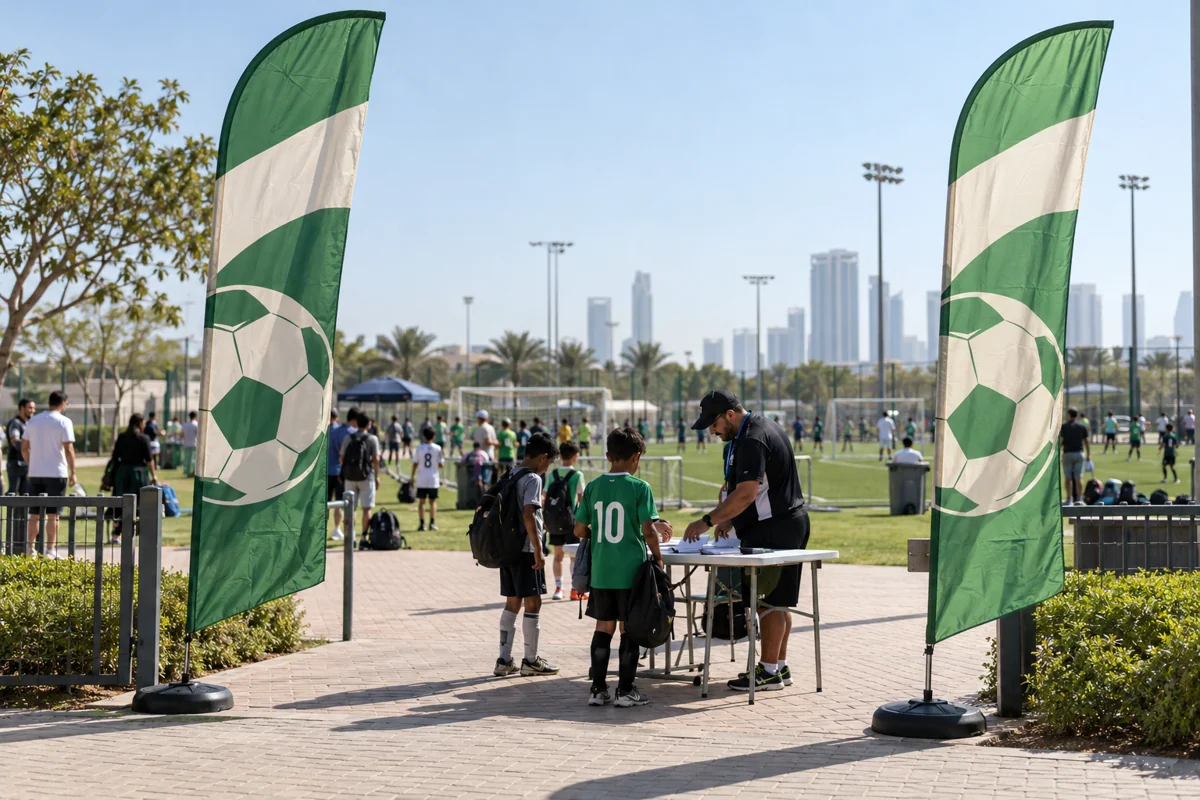 Events flags
Football Tournament Flags Supplier in UAE. Custom printed event branding, sizes and compatible display options..
Made to your specificationView product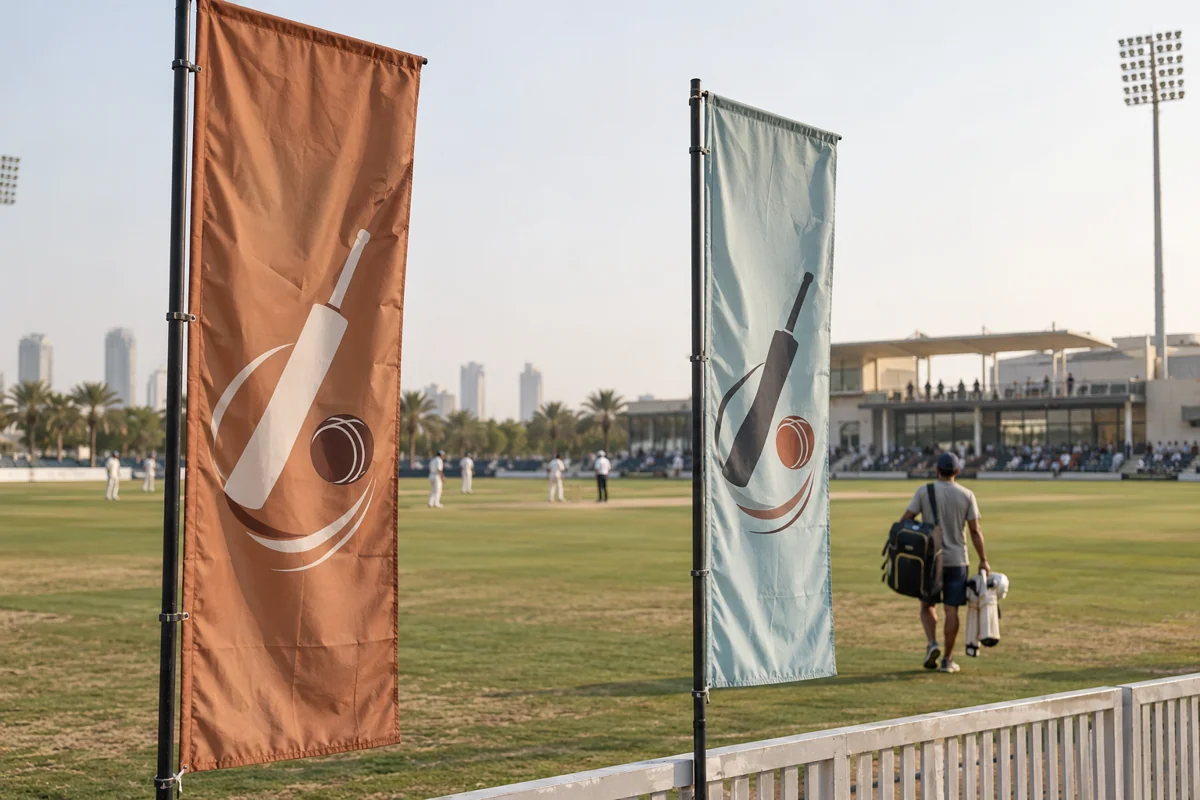 Events flags
Cricket Ground & Tournament Flags Supplier in UAE. Custom printed event branding, sizes and compatible display.
Made to your specificationView product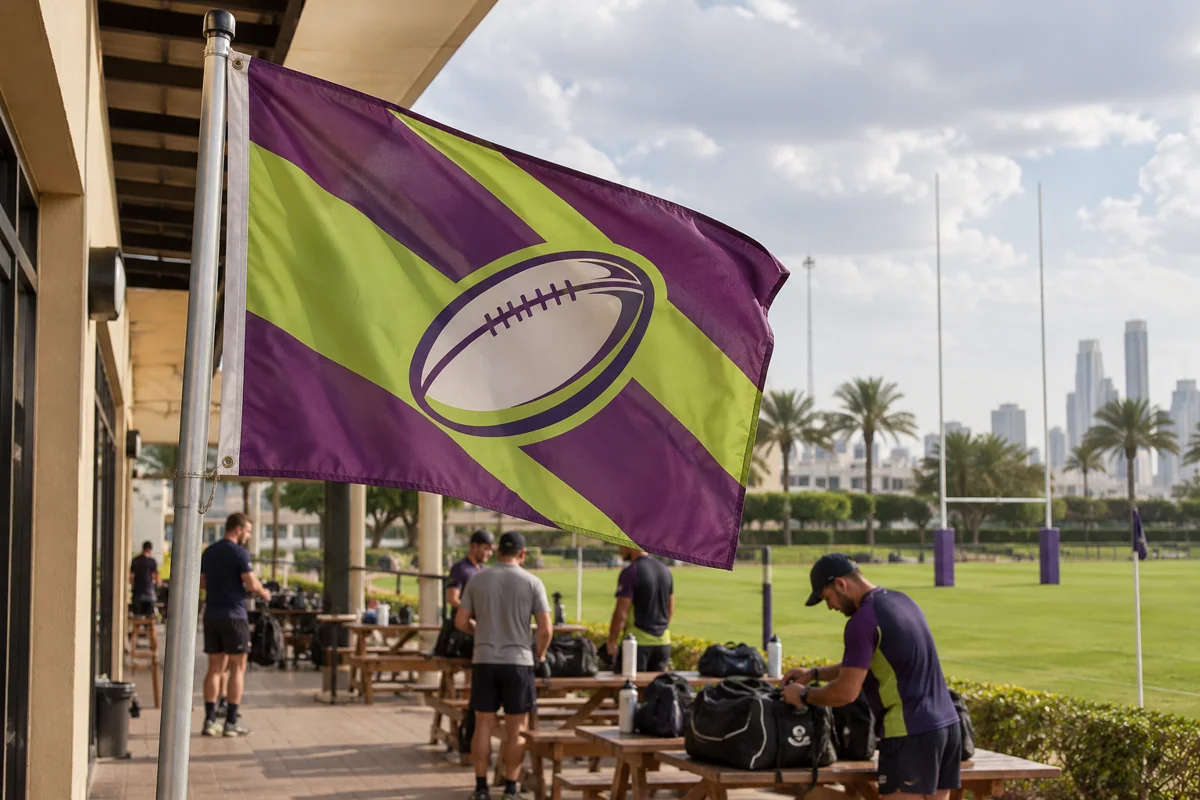 Events flags
Rugby Club & Tournament Flags Supplier in UAE. Custom printed event branding, sizes and compatible display.
Made to your specificationView product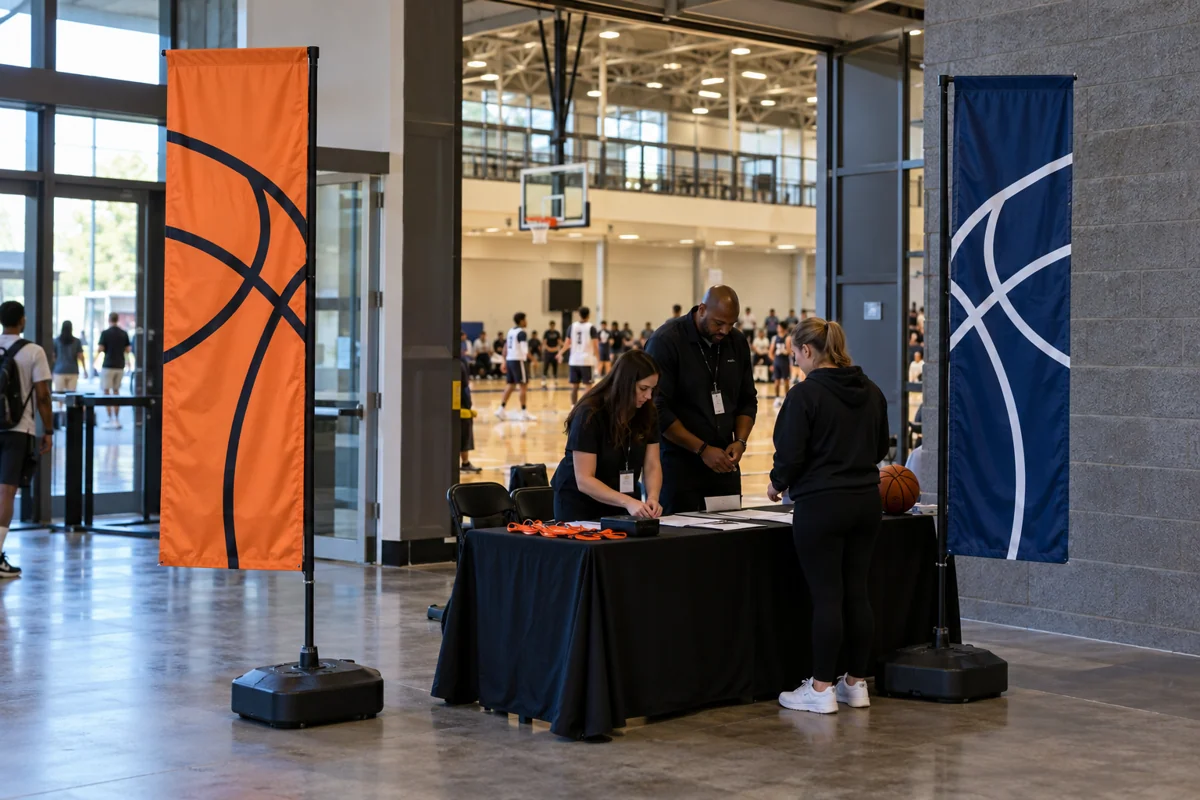 Events flags
Basketball Tournament Flags Supplier in UAE. Custom printed event branding, sizes and compatible display options..
Made to your specificationView product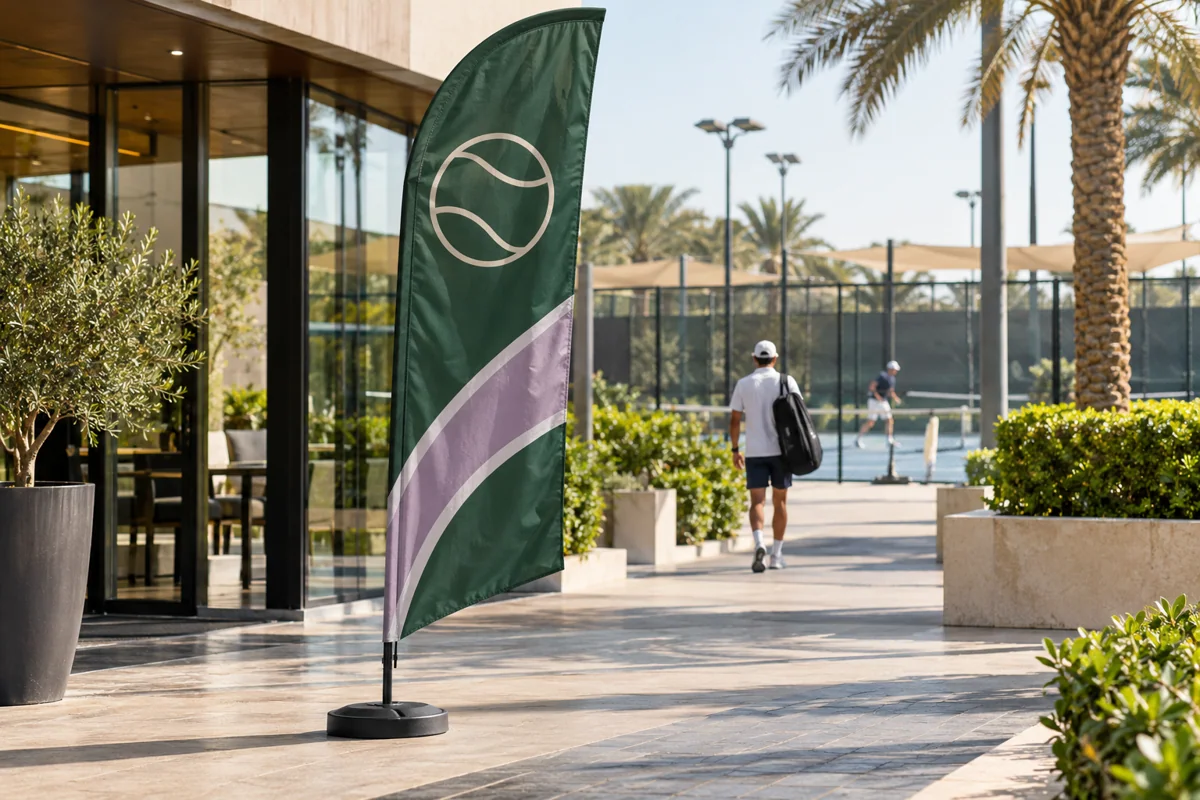 Events flags
Tennis Tournament Flags Supplier in UAE. Custom printed event branding, sizes and compatible display options..
Made to your specificationView product Events flags
Padel Tournament Flags Supplier in UAE. Custom printed event branding, sizes and compatible display options..
Made to your specificationView product Events flags
Volleyball Tournament Flags Supplier in UAE. Custom printed event branding, sizes and compatible display options..
Made to your specificationView product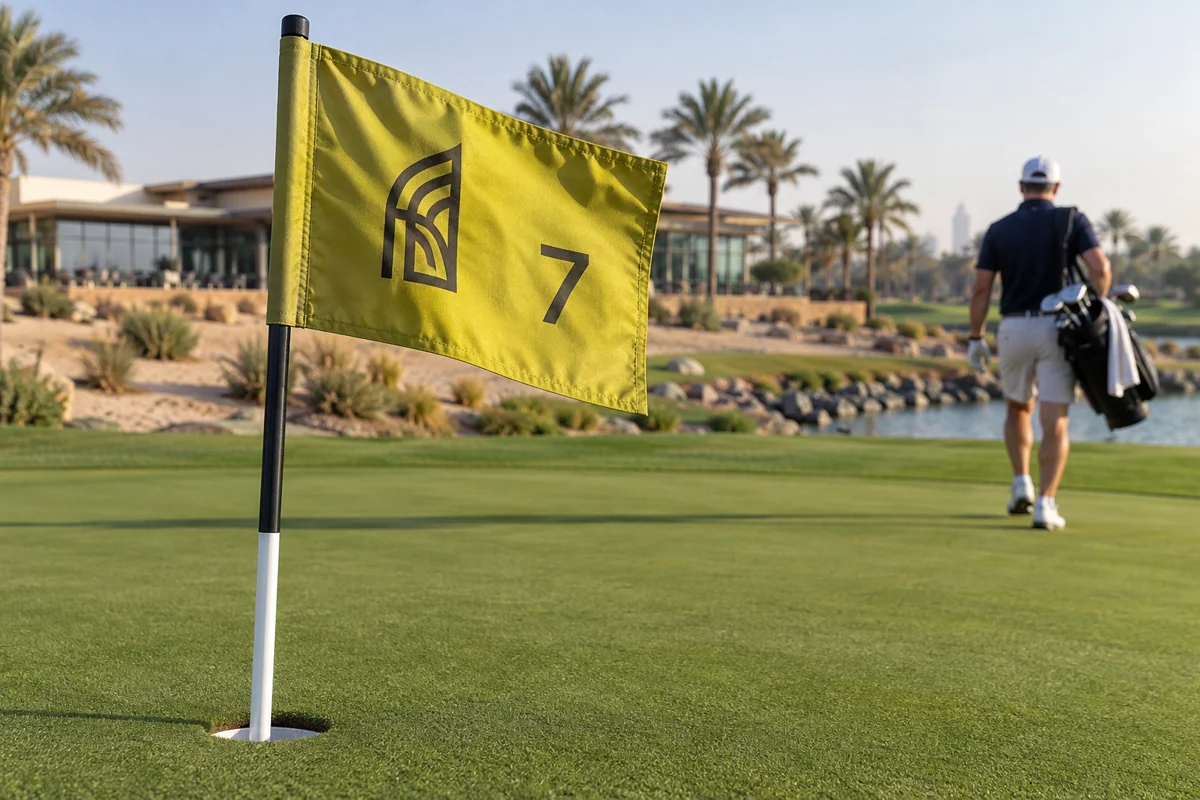 Events flags
Golf Pin & Golf Tournament Flags Supplier in UAE. Custom printed event branding, sizes and compatible display.
Made to your specificationView product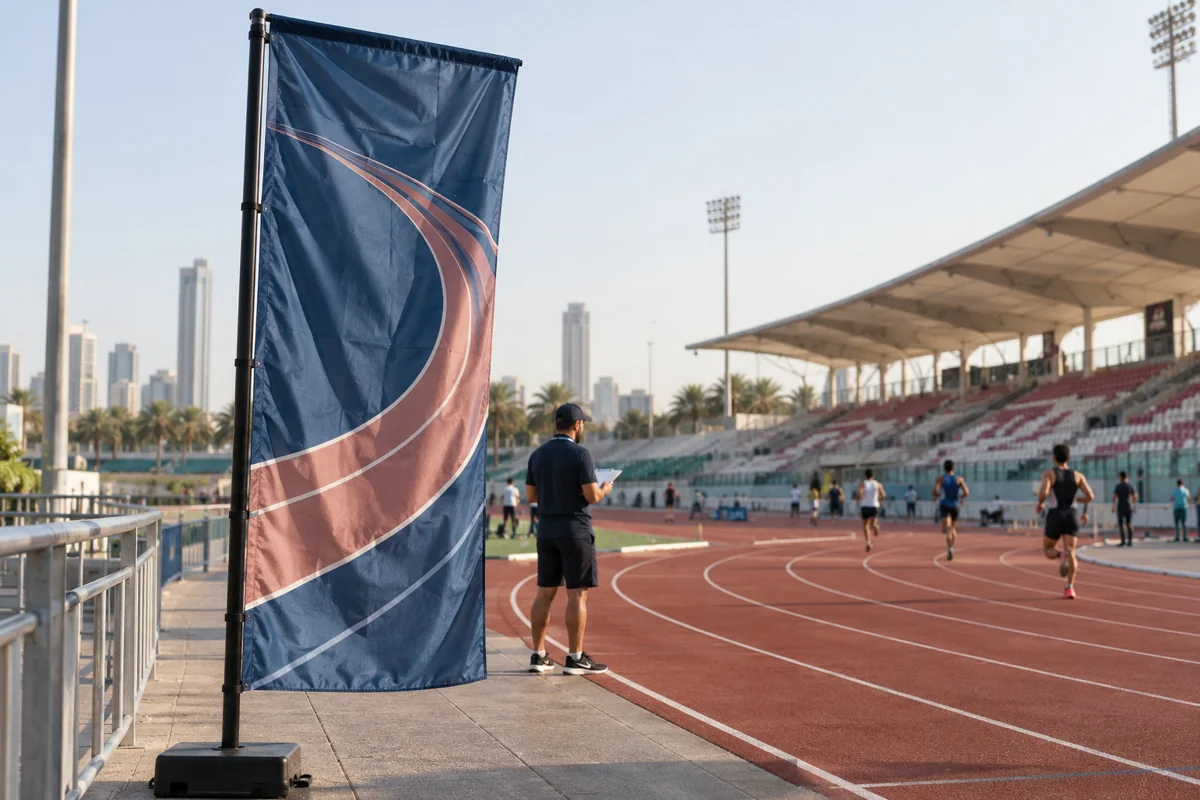 Events flags
Athletics & Track Meet Flags Supplier in UAE. Custom printed event branding, sizes and compatible display.
Made to your specificationView product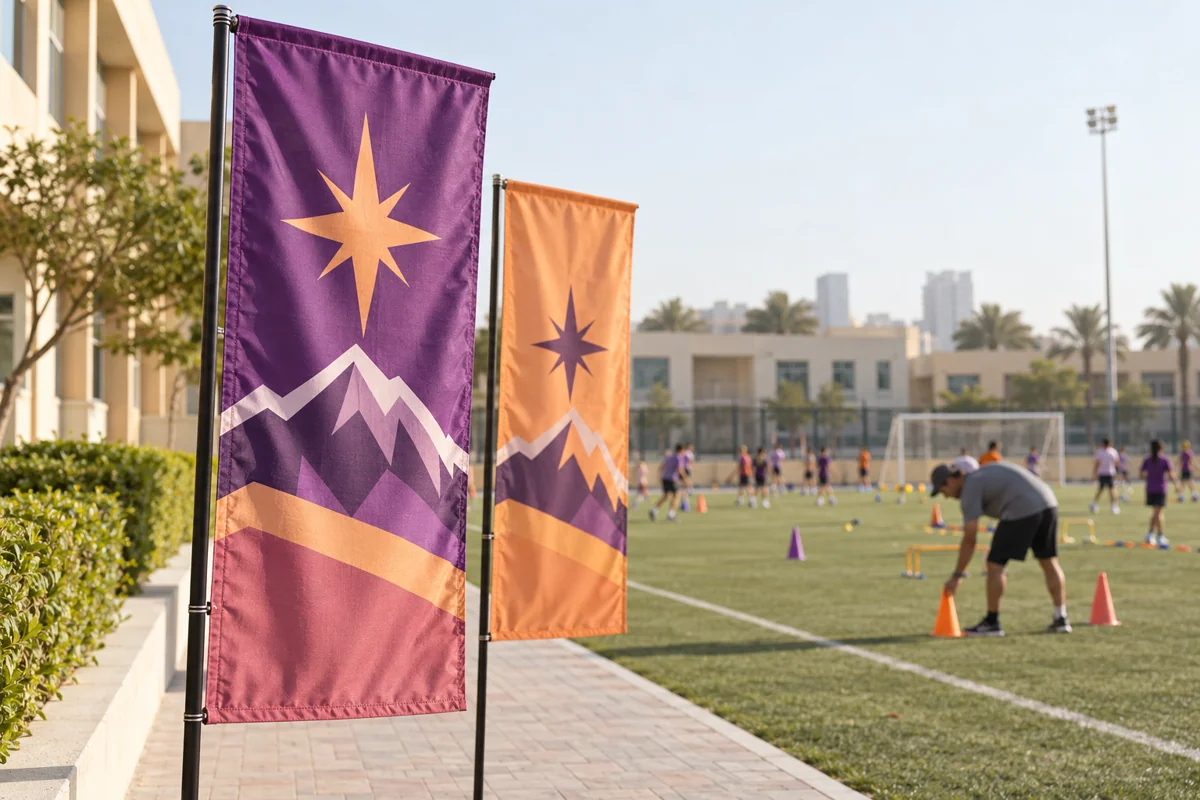 Events flags
School Sports Day & House Flags Supplier in UAE. Custom printed event branding, sizes and compatible display.
Made to your specificationView product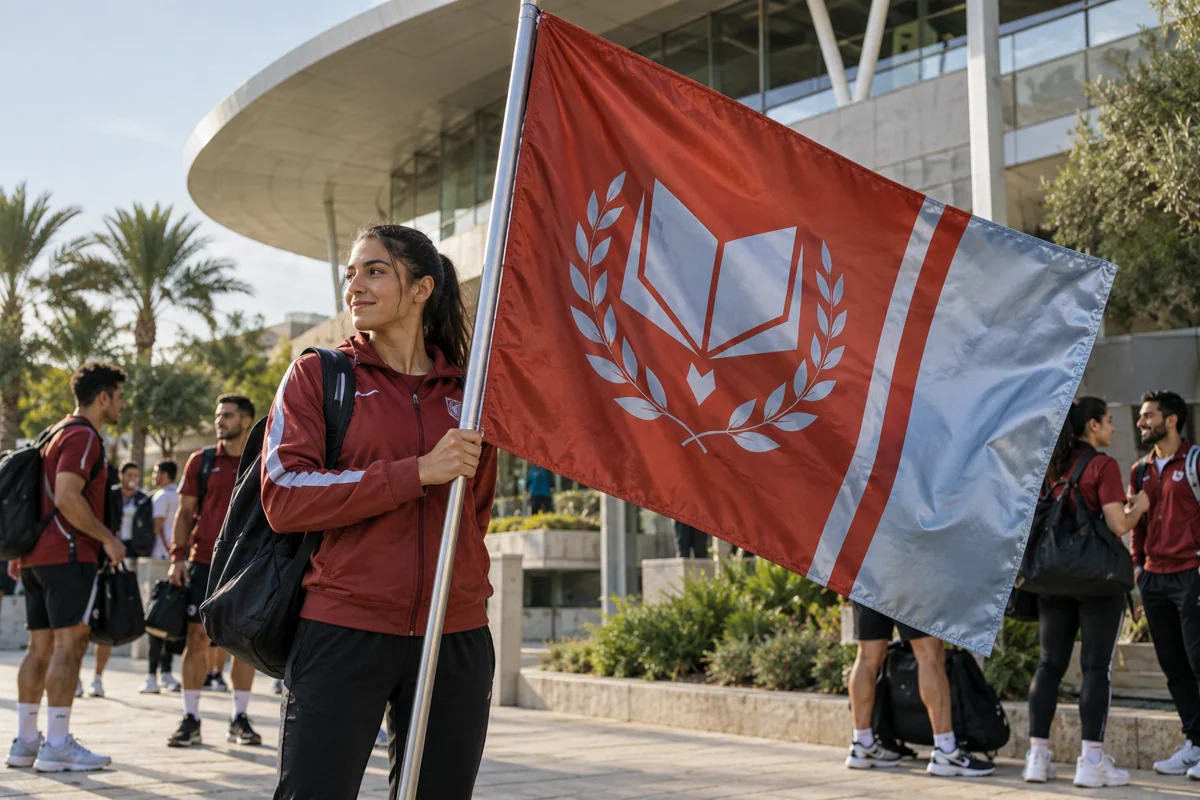 Events flags
University & Intercollege Sports Flags Supplier in UAE. Custom printed event branding, sizes and compatible.
Made to your specificationView product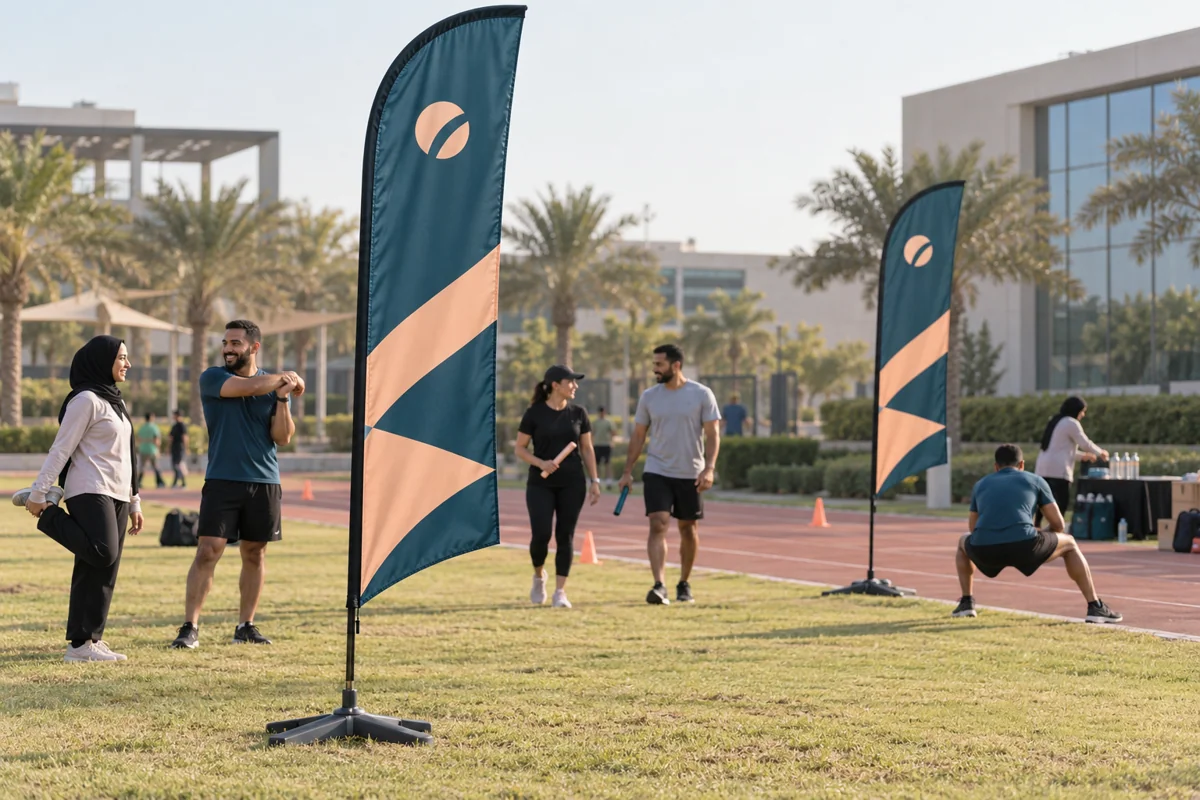 Events flags
Corporate Sports Day Flags Supplier in UAE. Custom printed designs, suitable display formats and hardware.
Made to your specificationView product Events flags
National Marathon Event Flags Supplier in UAE. Custom printed designs, suitable display formats and hardware.
Made to your specificationView product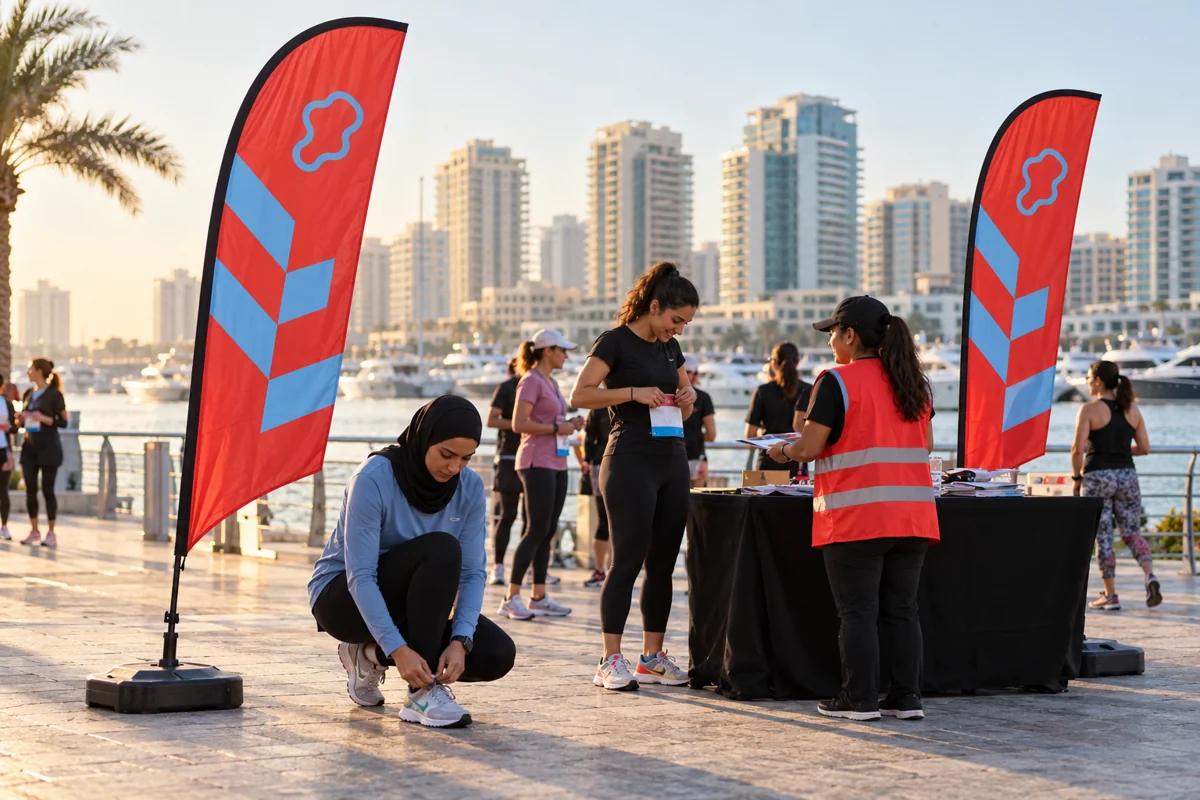 Events flags
Half Marathon Flags Supplier in UAE. Custom printed designs, suitable display formats and hardware options..
Made to your specificationView product Events flags
5K & 10K Race Flags Supplier in UAE. Custom printed designs, suitable display formats and hardware options..
Made to your specificationView product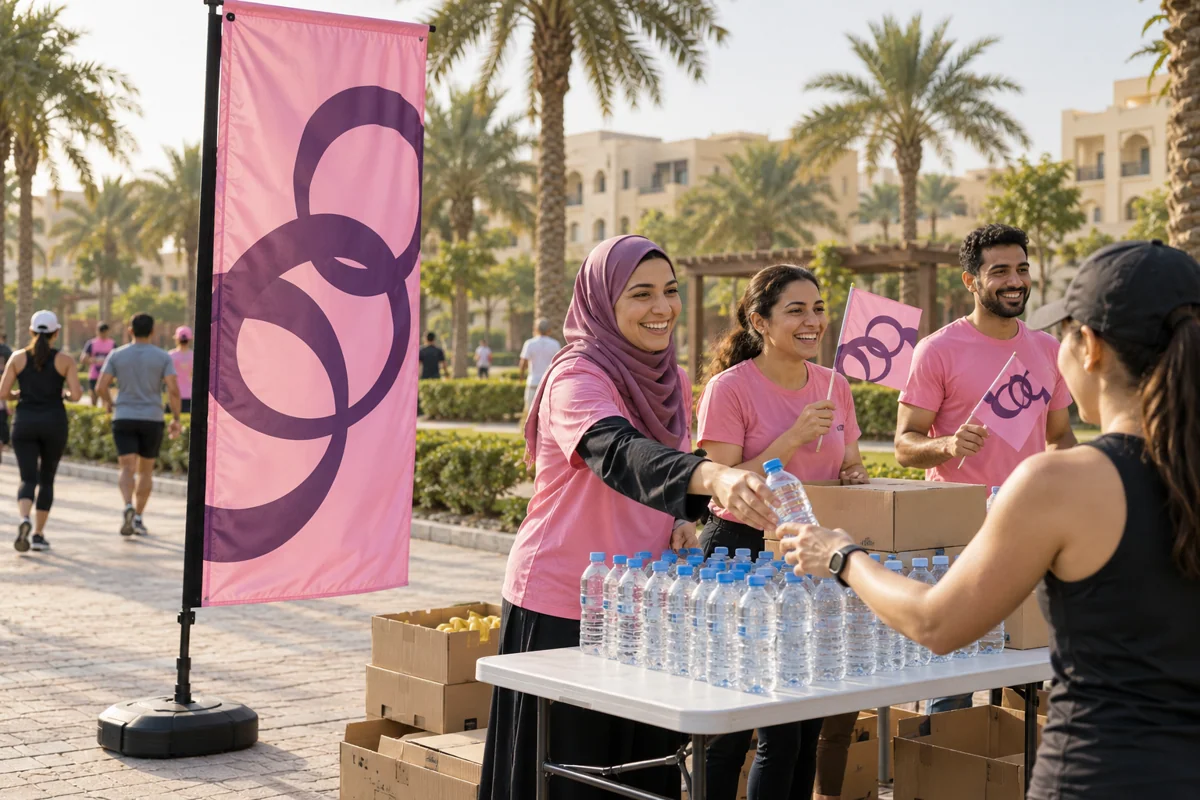 Events flags
Charity Run & Fun Run Flags Supplier in UAE. Custom printed designs, suitable display formats and hardware.
Made to your specificationView product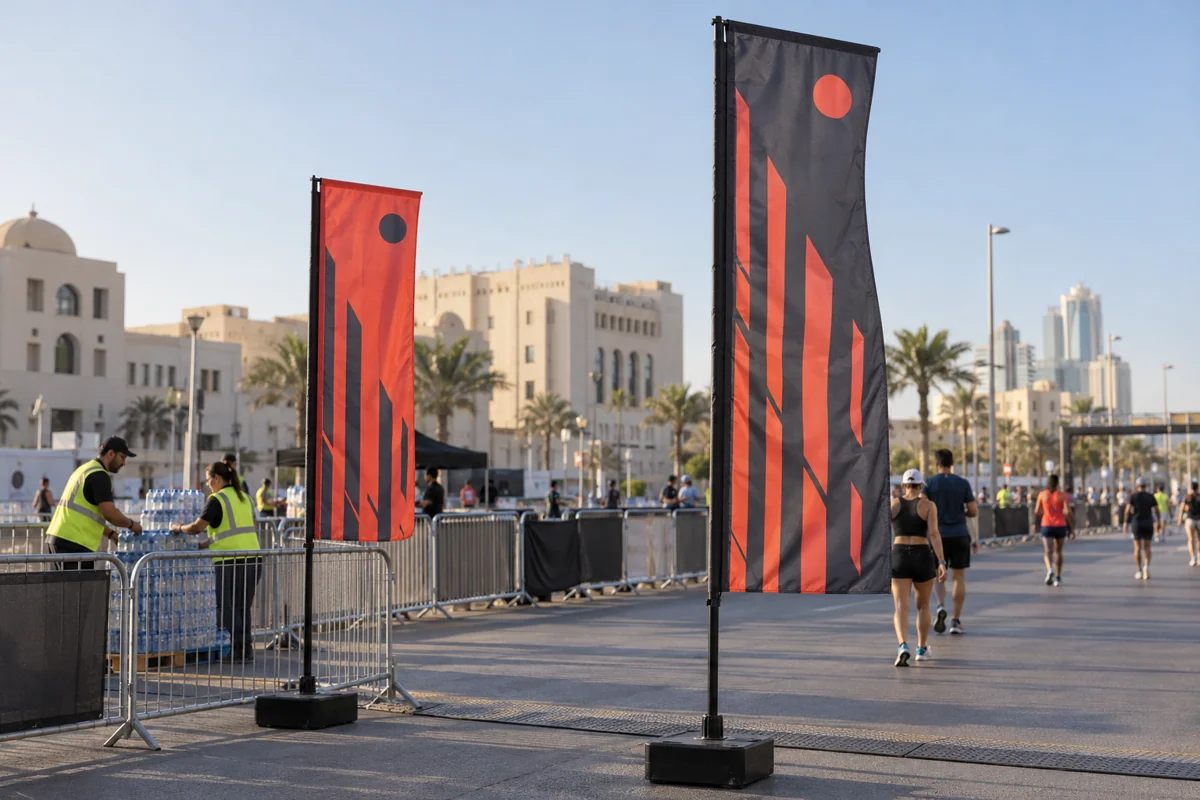 Events flags
Race Start & Finish Flags Supplier in UAE. Custom printed designs, suitable display formats and hardware options..
Made to your specificationView product Events flags
Race Route & Distance Marker Flags Supplier in UAE. Custom printed designs, suitable display formats and hardware.
Made to your specificationView product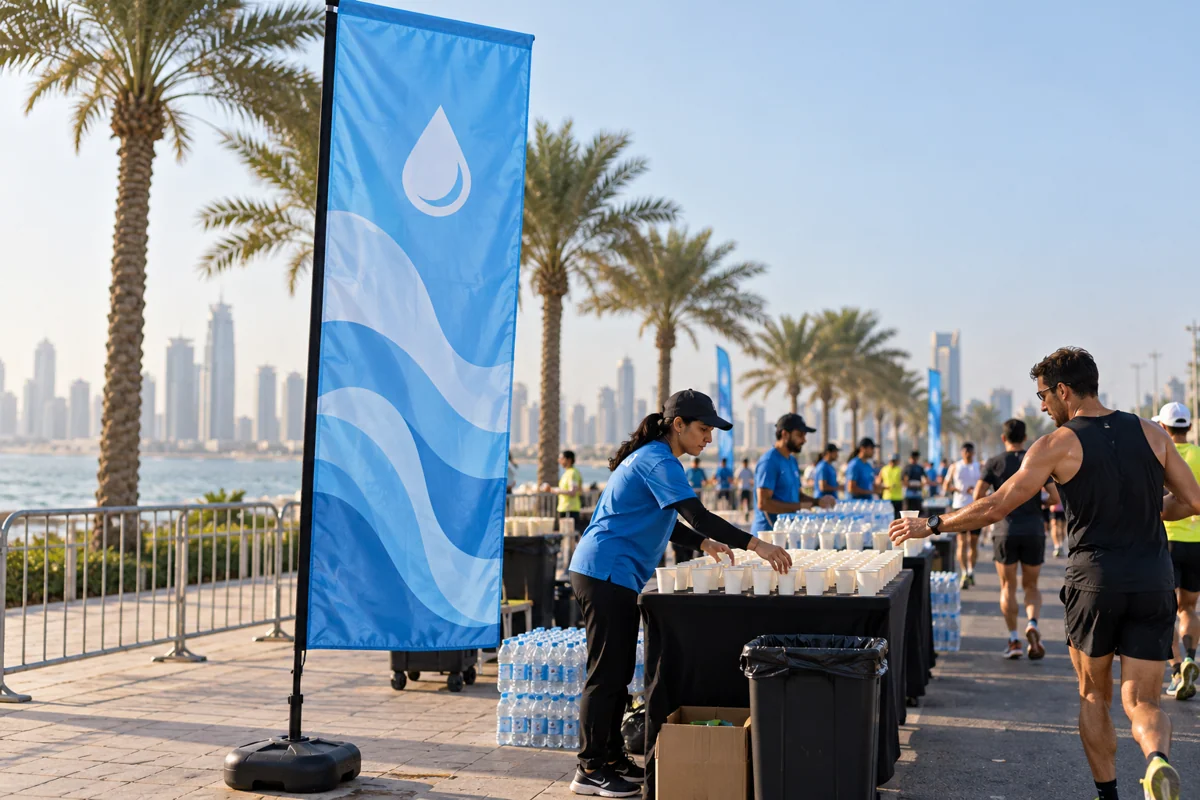 Events flags
Hydration & Refreshment Station Flags Supplier in UAE. Custom printed designs, suitable display formats and.
Made to your specificationView product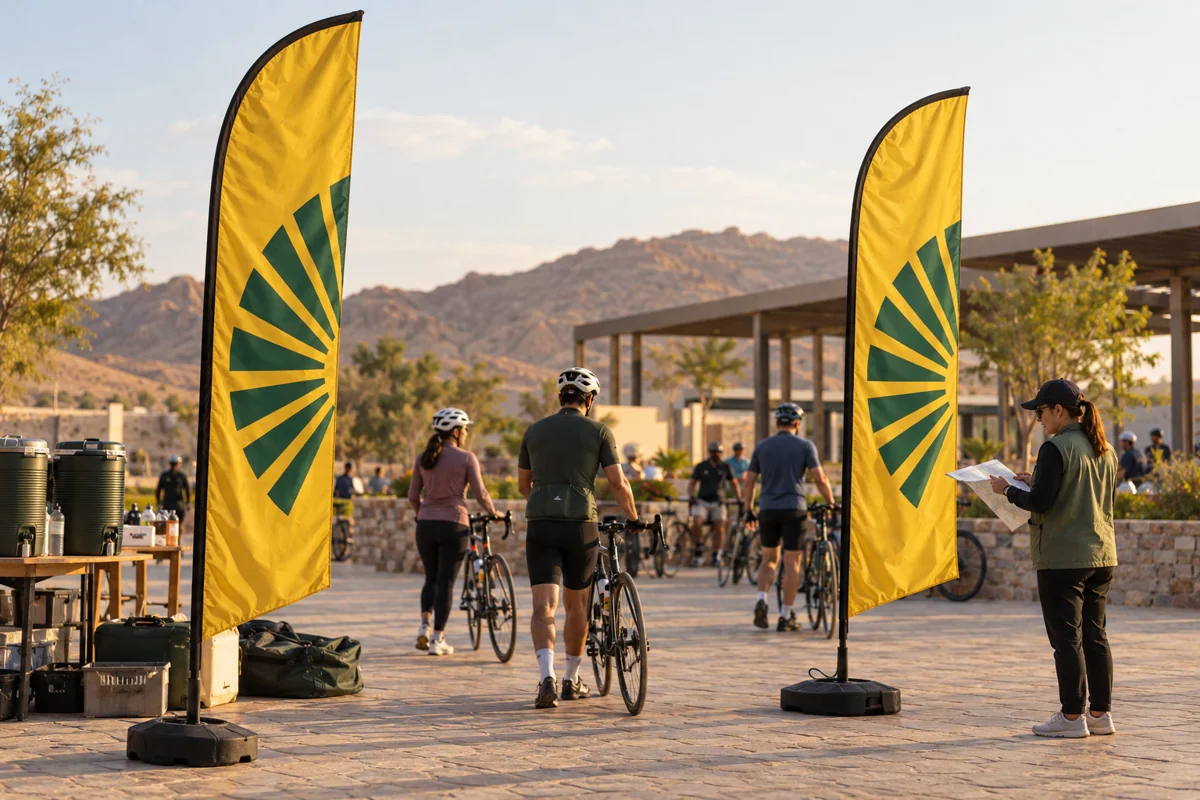 Events flags
Cycling Race & Cycling Festival Flags Supplier in UAE. Custom printed designs, suitable display formats and.
Made to your specificationView product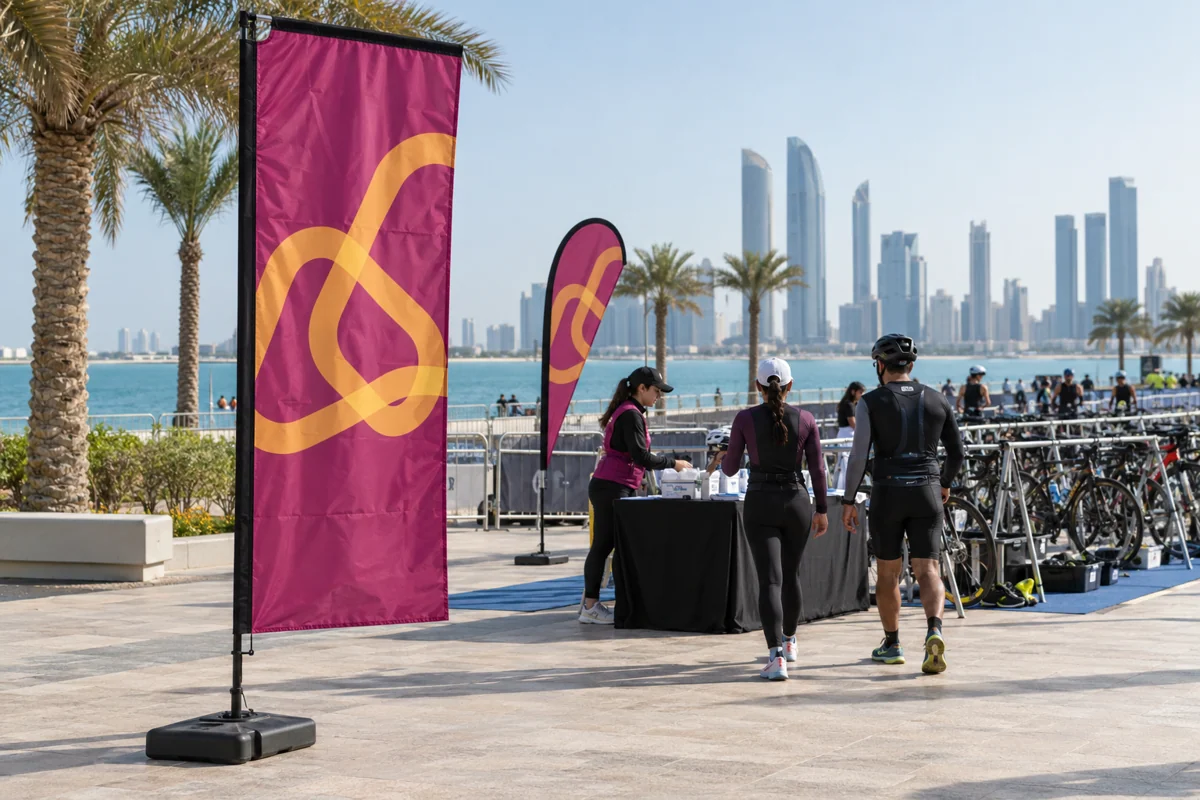 Events flags
Triathlon & Duathlon Flags Supplier in UAE. Custom printed designs, suitable display formats and hardware.
Made to your specificationView product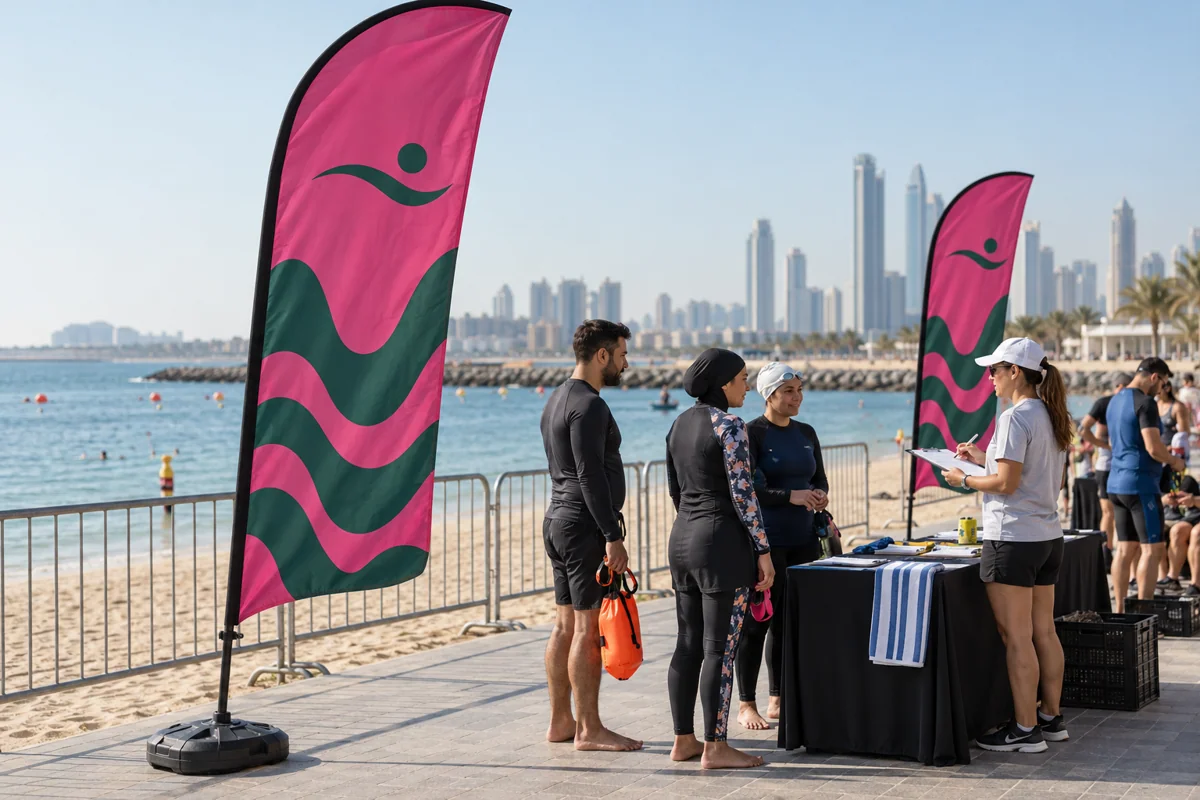 Events flags
Swimming & Open-Water Event Flags Supplier in UAE. Custom printed designs, suitable display formats and hardware.
Made to your specificationView product Events flags
Beach Festival & Beach Event Flags Supplier in UAE. Custom printed designs, suitable display formats and hardware.
Made to your specificationView product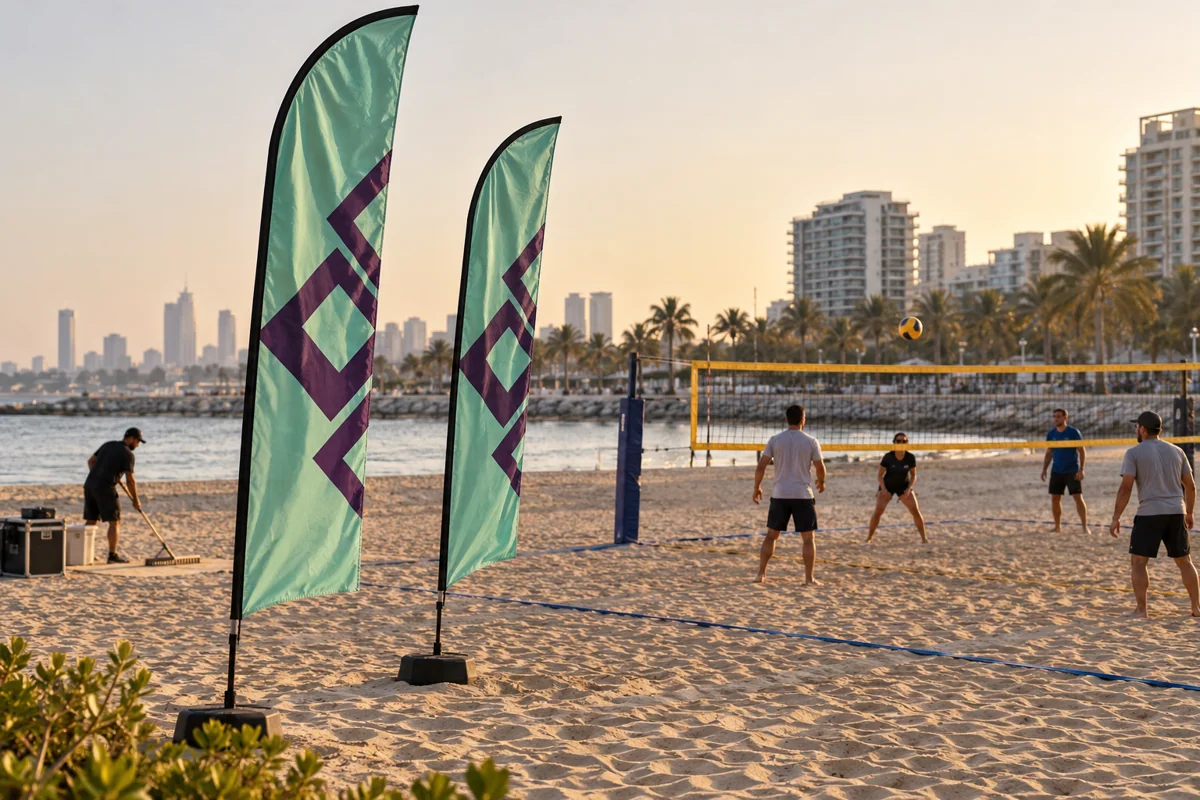 Events flags
Beach Football & Beach Volleyball Flags Supplier in UAE. Custom printed designs, suitable display formats and.
Made to your specificationView product Events flags
Surfing, Kitesurfing & Watersports Event Flags Supplier in UAE. Custom printed designs and compatible display.
Made to your specificationView product Events flags
Sailing Regatta & Yacht Event Flags Supplier in UAE. Custom printed designs, suitable display formats and.
Made to your specificationView product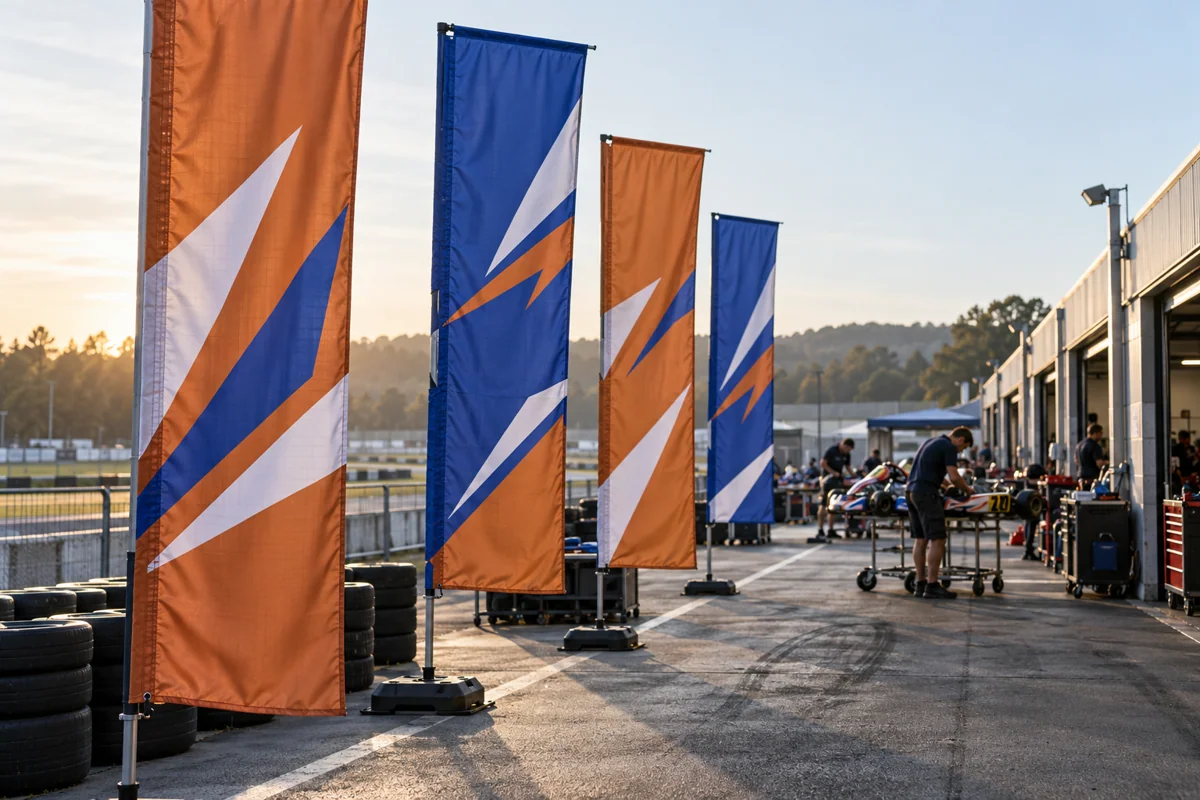 Events flags
Motorsport & Karting Event Flags Supplier in UAE. Custom printed event flags, display options and artwork-led.
Made to your specificationView product Events flags
Desert Rally & Off-Road Event Flags Supplier in UAE. Custom printed event flags, display options and artwork-led.
Made to your specificationView product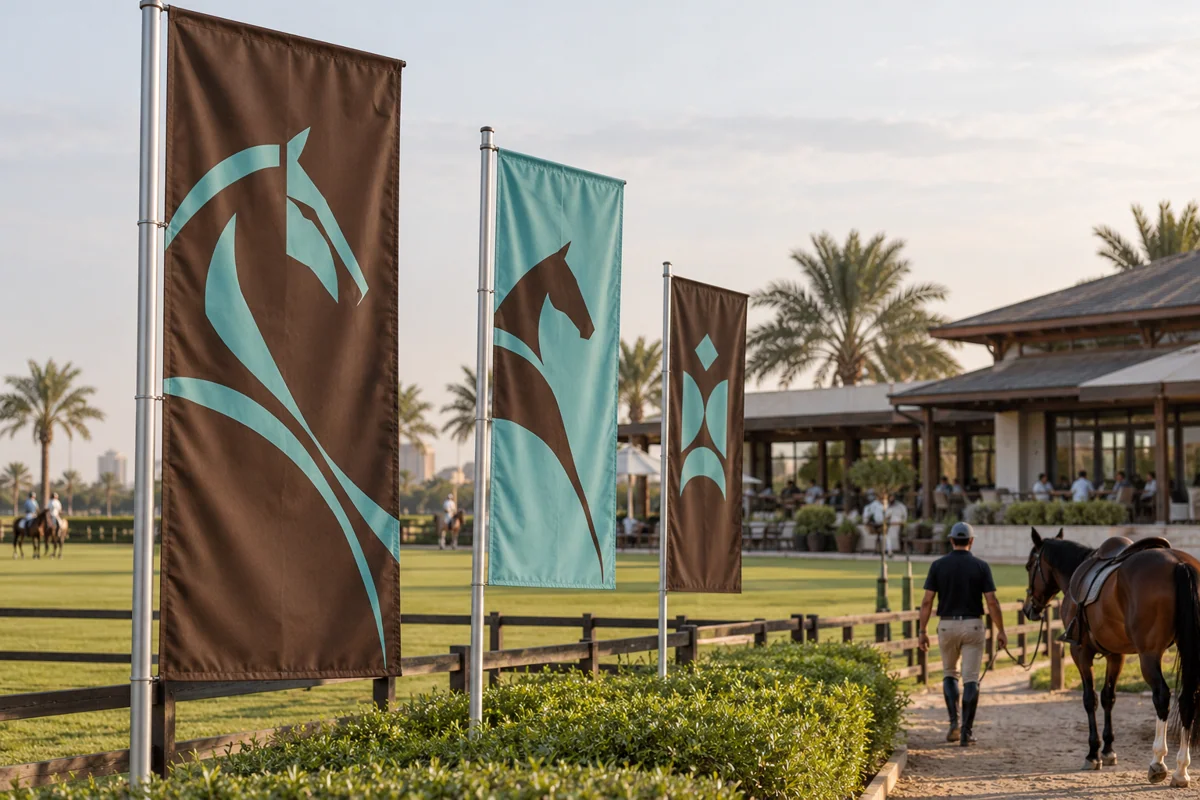 Events flags
Equestrian, Showjumping & Polo Event Flags Supplier in UAE. Custom printed event flags, display options and.
Made to your specificationView product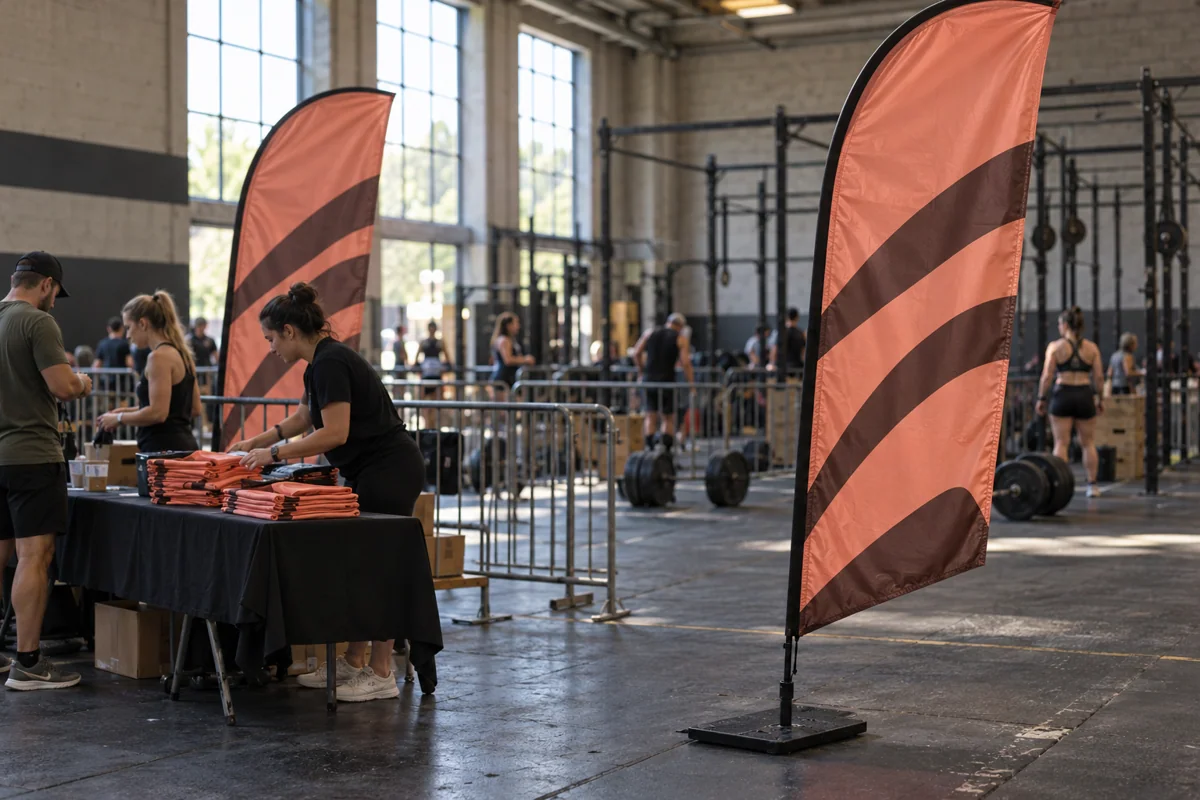 Events flags
Fitness Competition & Gym Challenge Flags Supplier in UAE. Custom printed event flags, display options and.
Made to your specificationView product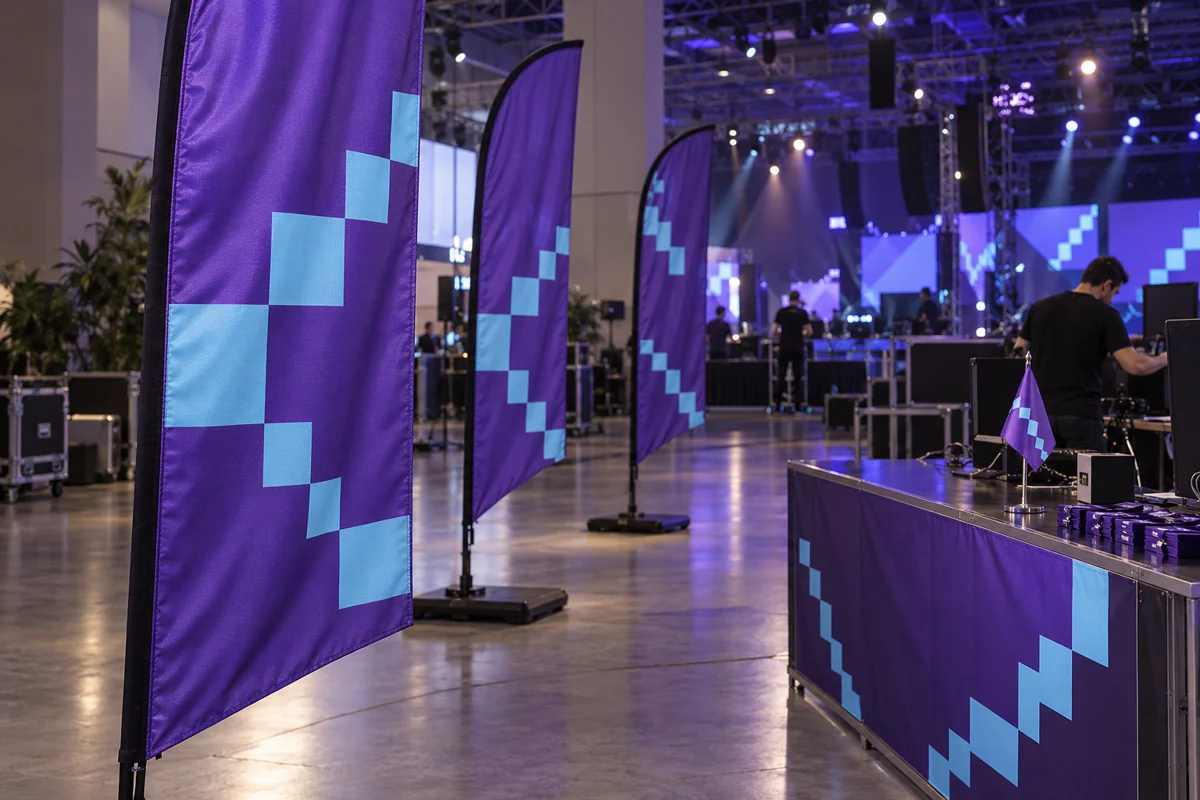 Events flags
Esports & Gaming Tournament Flags Supplier in UAE. Custom printed event flags, display options and artwork-led.
Made to your specificationView product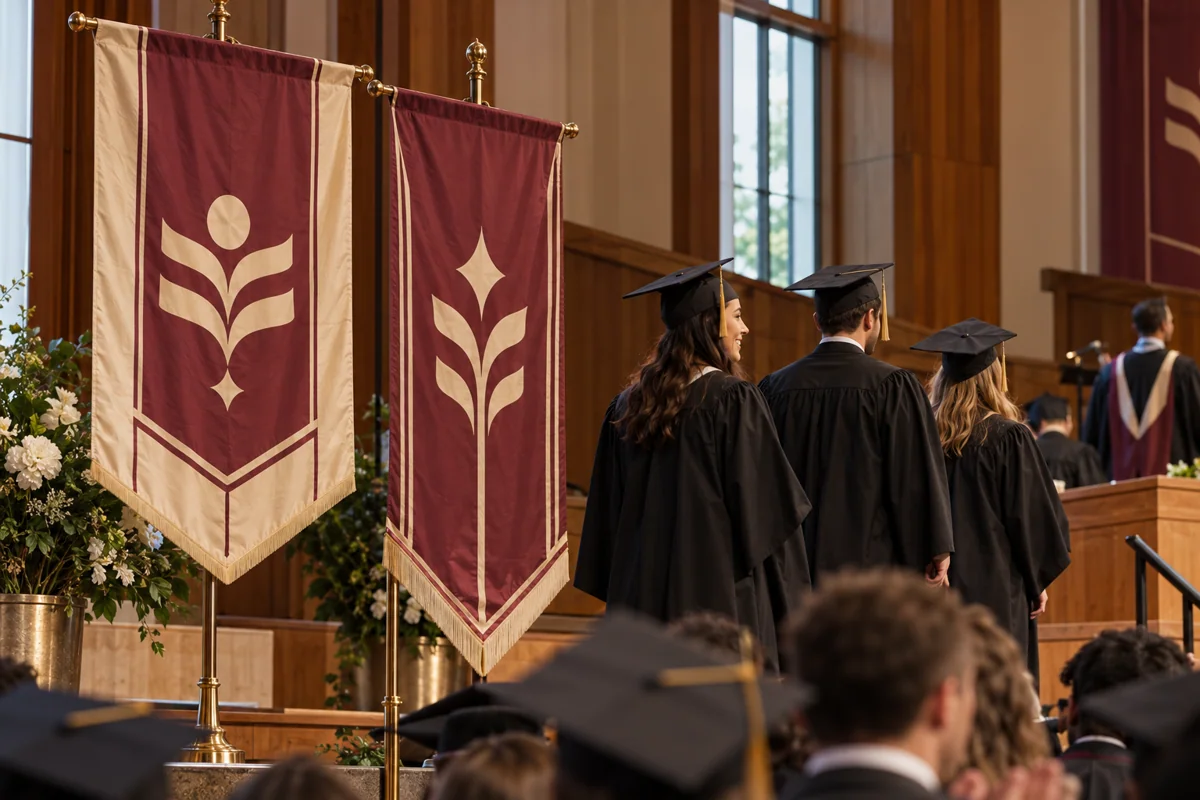 Events flags
Graduation Ceremony Flags Supplier in UAE. Custom printed event flags, display options and artwork-led.
Made to your specificationView product Events flags
Academic Convocation & Faculty Flags Supplier in UAE. Custom printed event flags, display options and artwork-led.
Made to your specificationView product Events flags
Awards & Podium Ceremony Flags Supplier in UAE. Custom printed event flags, display options and artwork-led.
Made to your specificationView product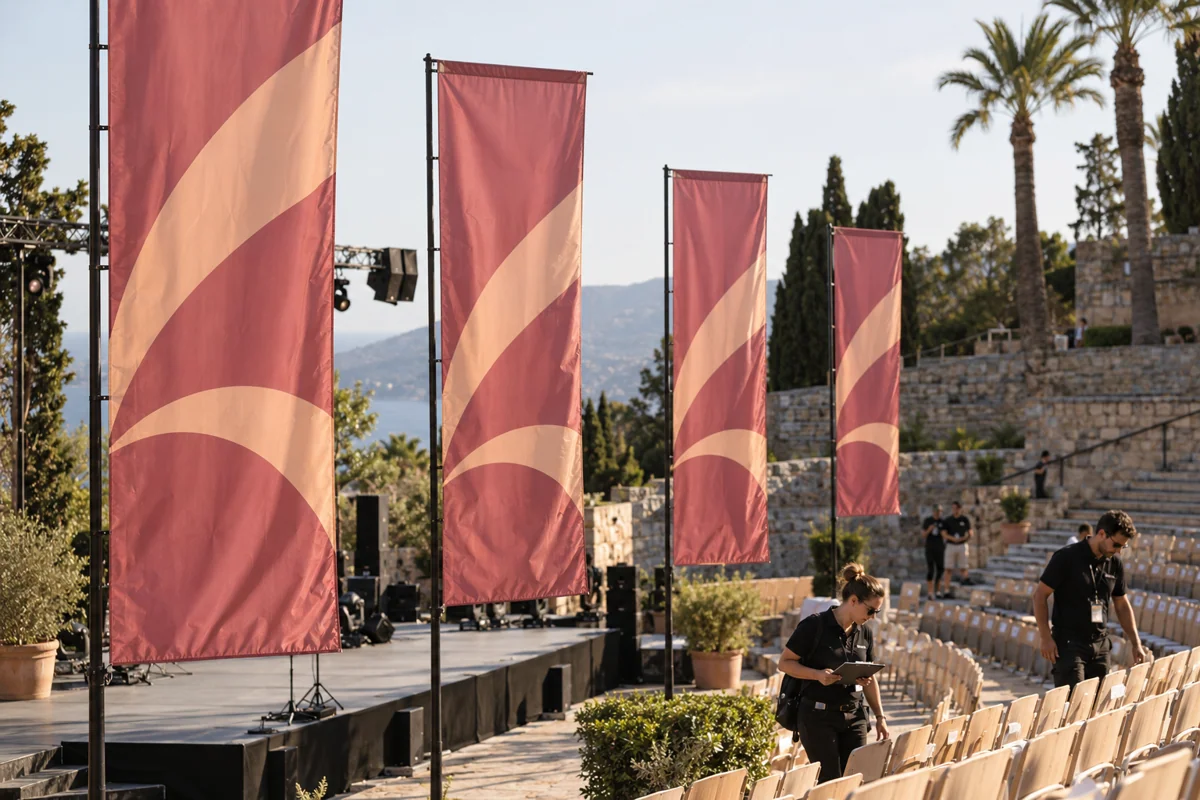 Events flags
Opening & Closing Ceremony Flags Supplier in UAE. Custom printed event flags, display options and artwork-led.
Made to your specificationView product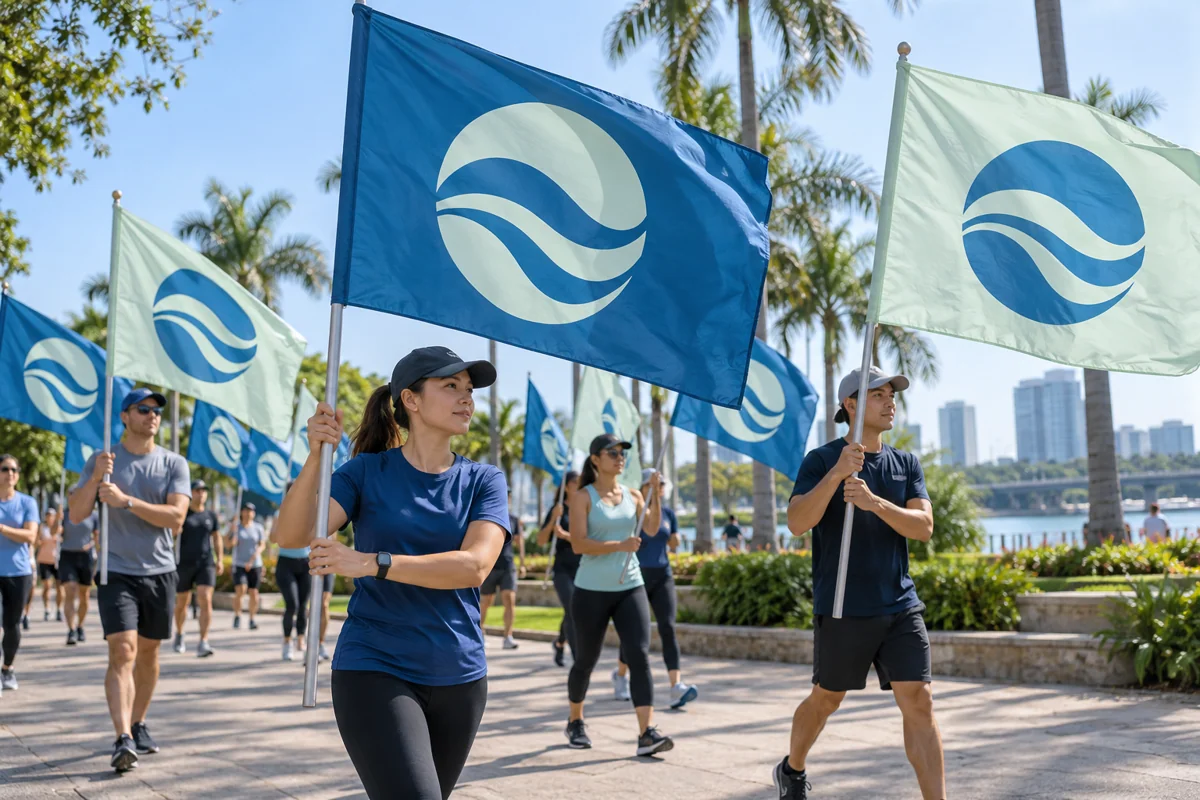 Events flags
Team Parade & Procession Flags Supplier in UAE. Custom printed event flags, display options and artwork-led.
Made to your specificationView product Events flags
Fan Zone & Public Screening Flags Supplier in UAE. Custom printed event flags, display options and artwork-led.
Made to your specificationView product Events flags
Community Games & Family Festival Flags Supplier in UAE. Custom printed event flags, display options and.
Made to your specificationView product Events flags
Sponsor Activation & Promotional Flags Supplier in UAE. Custom printed event flags, display options and.
Made to your specificationView product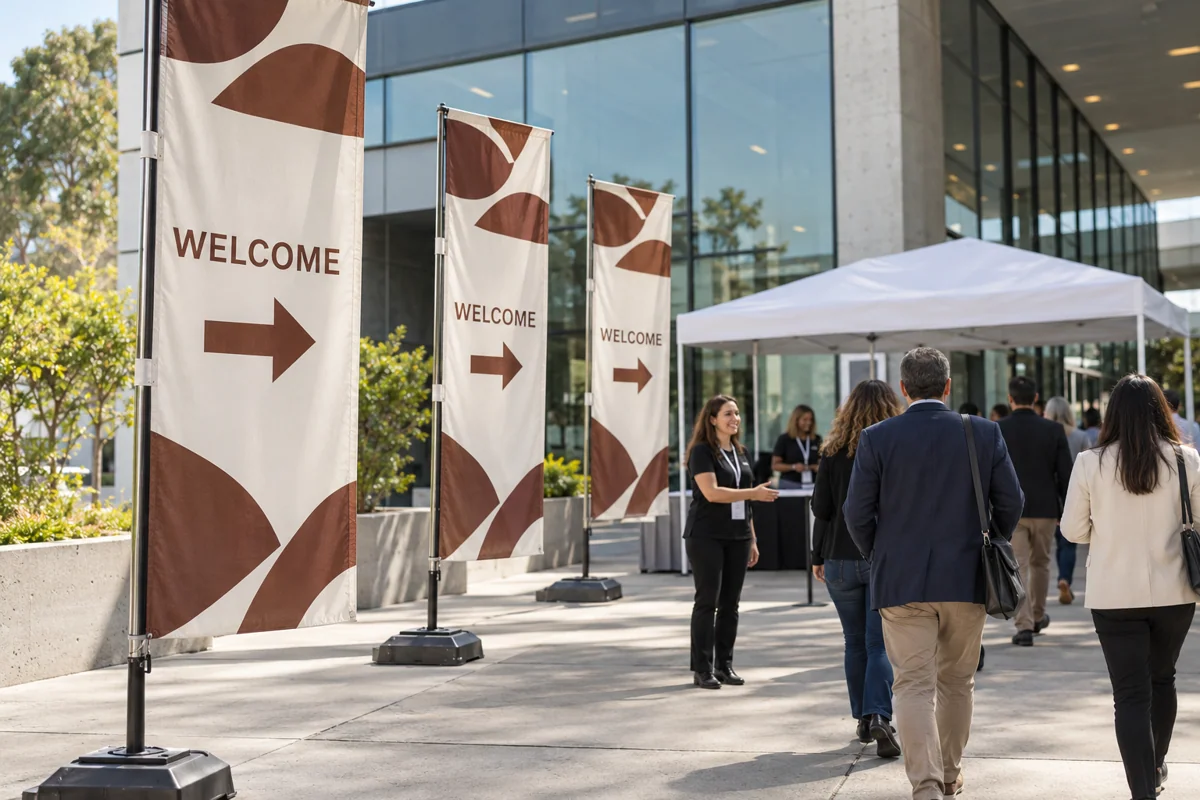 Events flags
Event Welcome, Registration & Directional Flags Supplier in UAE. Custom printed flags and display kits. Request a.
Made to your specificationView product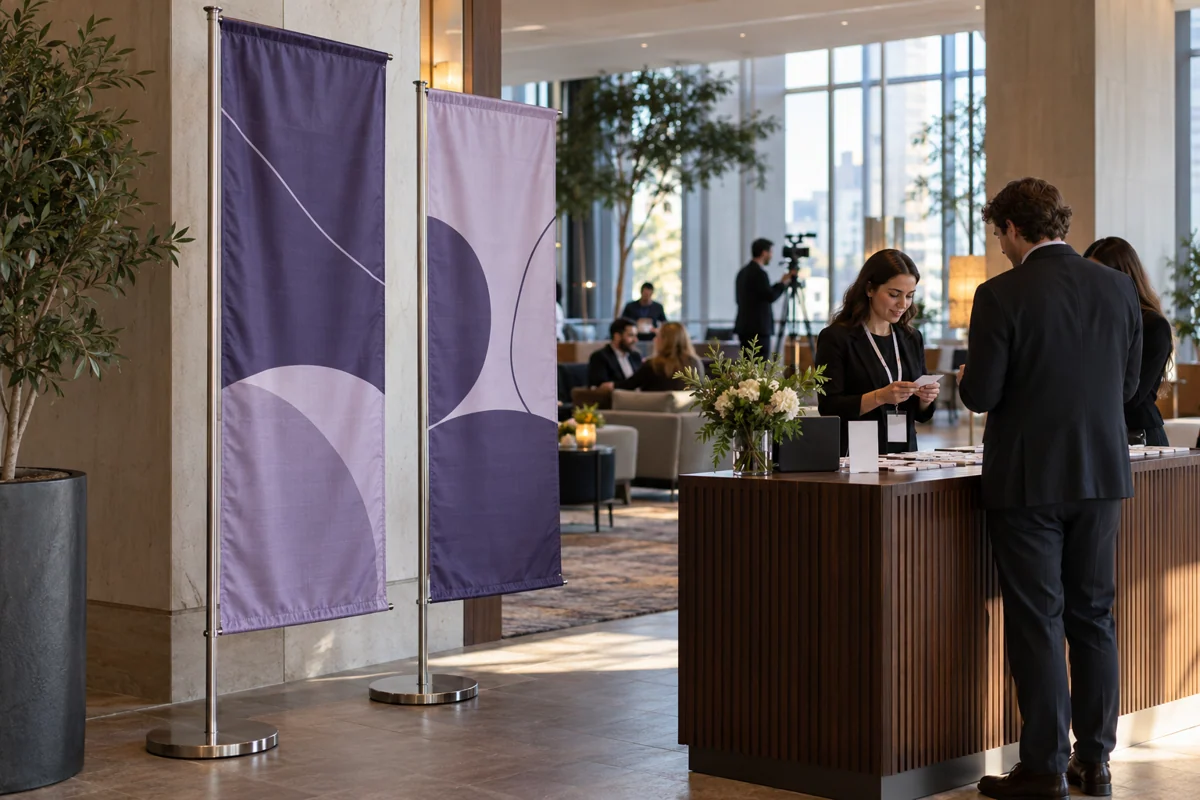 Events flags
VIP, Hospitality & Media Area Flags Supplier in UAE. Custom printed event flags, display options and artwork-led.
Made to your specificationView productPlan the entrance, spectator areas, race course and presentation space together. List each design and quantity by its intended location.
Compare handheld, pole-mounted, feather and teardrop formats. Include the available space, existing fittings and intended viewing direction.
Send authorised organiser, club, institution and sponsor artwork. Confirm dimensions, print construction, components and the required date in your quotation.
Event flags can welcome visitors, identify a team, mark a registration point or carry sponsor branding. Before ordering, write down the job of each display. A football stadium supporter flag has a different brief from a marathon start-area feather flag or a graduation procession banner. The useful starting point is the location and audience, followed by the message and display format.
The collection brings sports, ceremonies, exhibitions, beach activations and other event applications into one place. Browse the range that describes your occasion, then use the enquiry reference to discuss sizes, construction and any components required.
Map the visitor route from arrival through check-in to the main activity and exit. Identify where a flag adds useful recognition and where a fixed sign or organiser-approved wayfinding system is more appropriate. Promotional flags should not obscure required safety signs, exits, accessible paths or essential sightlines. Discuss placement with the venue or appointed event contractor before selecting the final hardware.
For a sporting event, separate sponsor displays from participant, spectator and officials’ areas. For a graduation ceremony, think about stage visibility, procession movement and photography positions. This makes the product list more precise than ordering one generic flag format for every point.
A flag is often seen while moving or from an angle. Give the main identity enough space and use a clear hierarchy between the organiser, event name and sponsors. Large sponsor lists may be better suited to a backdrop or banner with a broader static surface. Check the artwork at the finished proportions instead of relying on a square social-media design.
Confirm that the buyer is authorised to reproduce team crests, sponsor logos and event identities. Agree on a final version and approval contact, especially when several partners supply artwork. Late logo substitutions can affect both proofing and the production schedule.
Specify whether each line is a printed graphic only or a complete set. A complete portable display needs an agreed pole or frame, compatible base and any carrying or packing components. Existing hardware should be identified by model, measurements and photographs before a replacement graphic is quoted. Similar-looking feather flag shapes are not necessarily interchangeable.
Outdoor placement requires the equipment manufacturer’s instructions and a site-specific review by the responsible organiser or installer. This catalogue does not set a universal wind limit or ballast requirement. Tell the team about the proposed environment so that suitability can be reviewed in the quotation.
The date printed on an event invitation is not always the date the products must arrive. Build-up access, accreditation, receiving hours and loading restrictions can create an earlier deadline. Include the date by which the graphics must be ready, the delivery address and the name of the person receiving them. Artwork approval and any sample stage need their own place in the schedule.
For multiple venues, provide quantities and artwork by destination. Ask whether display hardware will travel between sites or stay at each location. Packing dimensions, transport arrangements and local setup responsibilities should be agreed before the order is accepted.
An event purchase can include reusable components and replaceable graphics, provided the selected system supports that approach. Keep pole and frame references with the approved graphic template. After the event, inspect components according to their instructions and store clean, dry textiles separately from parts that could snag them. Do not assume a new graphic will fit an unidentified older system.
Keep a record of the product SKU, artwork version and finished dimensions for every range used. Orient Uniforms FZE can review a repeat enquiry from that information, with current availability, specifications and timing confirmed again. Use the Flag Guide for deeper explanations of artwork, fabric selection, maintenance and quotation preparation.
Use a table with one line for each display position. Include the location, product reference, finished size, artwork version, quantity and person responsible for receiving it. Note whether the display travels to another event after the first use. This turns a broad request for event flags into an item list that the organiser, artwork team and supplier can all review.
Keep operational signs separate from decorative branding in that schedule. Sponsor flags should never be assumed to replace the venue’s required safety or crowd-management information. If a display position changes, review the equipment and graphic requirements again. A clear allocation plan also helps identify missing components before the event team starts unpacking, and gives you a useful record for the next edition.