
 CATEGORY 01
SKU-EMRF-0240 · 10 product types
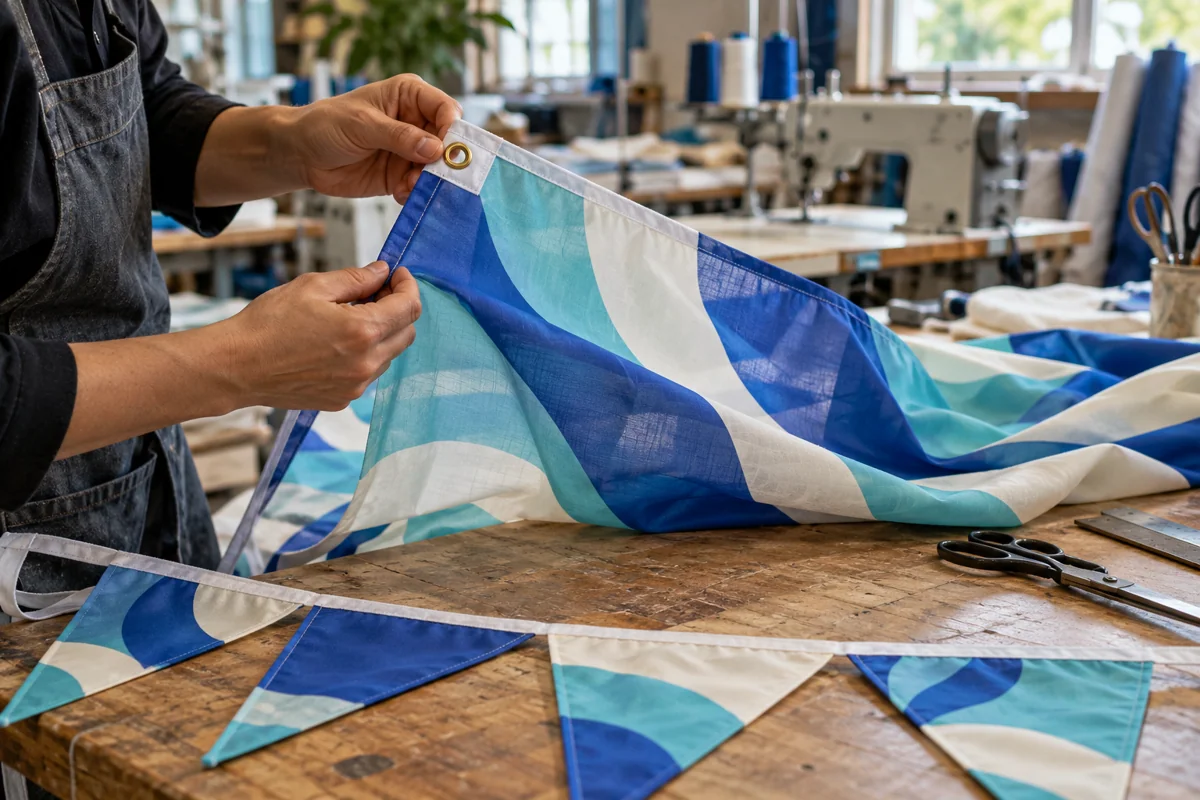
Flags & Pennants
Bring company identities, event themes and supporter artwork onto fabric flags and pennants with dye sublimation printing.
Explore productsSublimation Printing Supplier in UAE for flags, fabric displays, team jerseys, graduation stoles, scarves, bags and compatible promotional gifts. Explore 12 categories.
CATEGORY 01Bring company identities, event themes and supporter artwork onto fabric flags and pennants with dye sublimation printing.
Explore products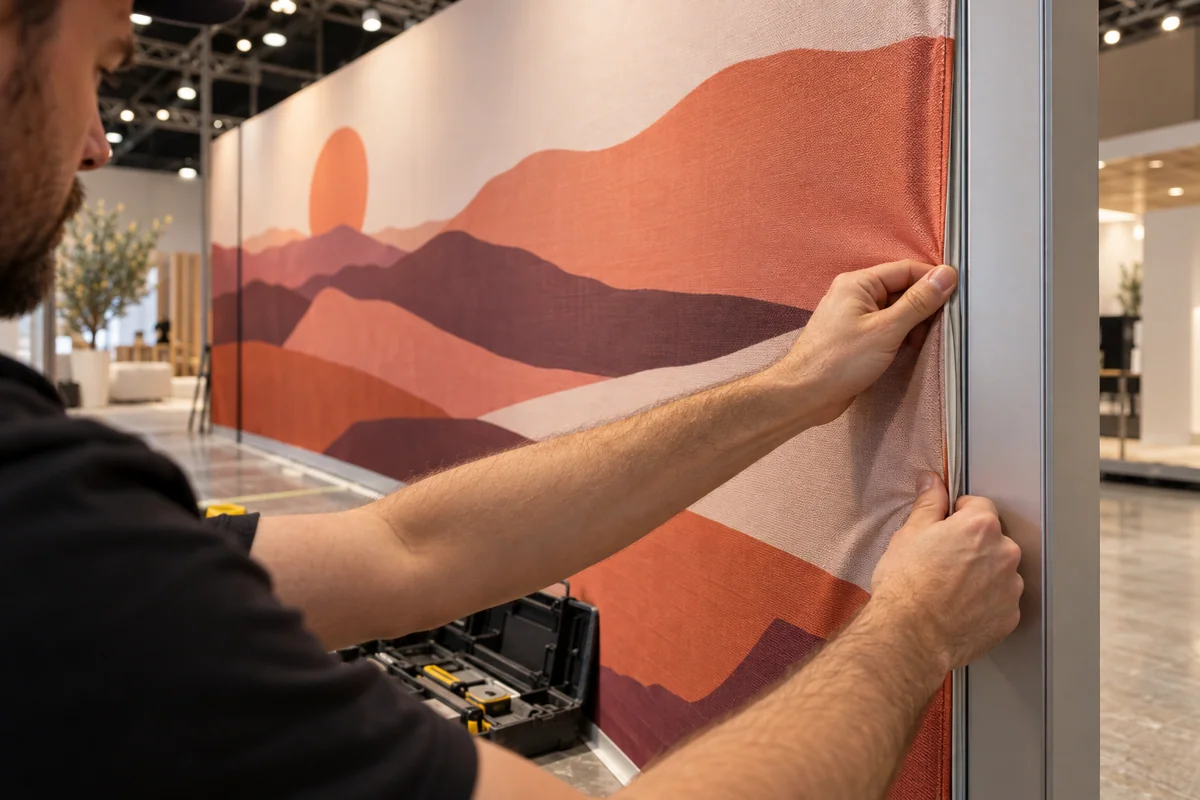 CATEGORY 02
Plan fabric display graphics around the frame, viewing distance and installation method as well as the artwork.
Explore products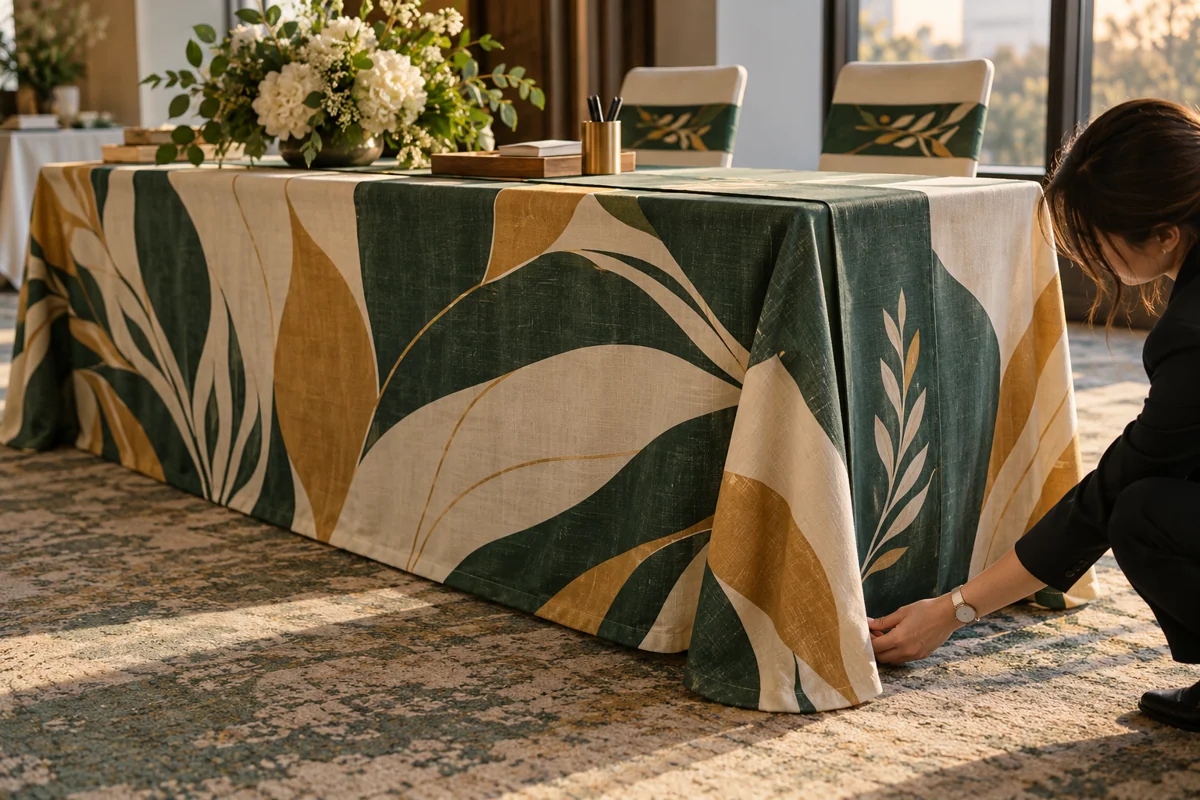 CATEGORY 03
Coordinate tables, seating and stage surfaces with printed polyester covers designed around the furniture they will dress.
Explore products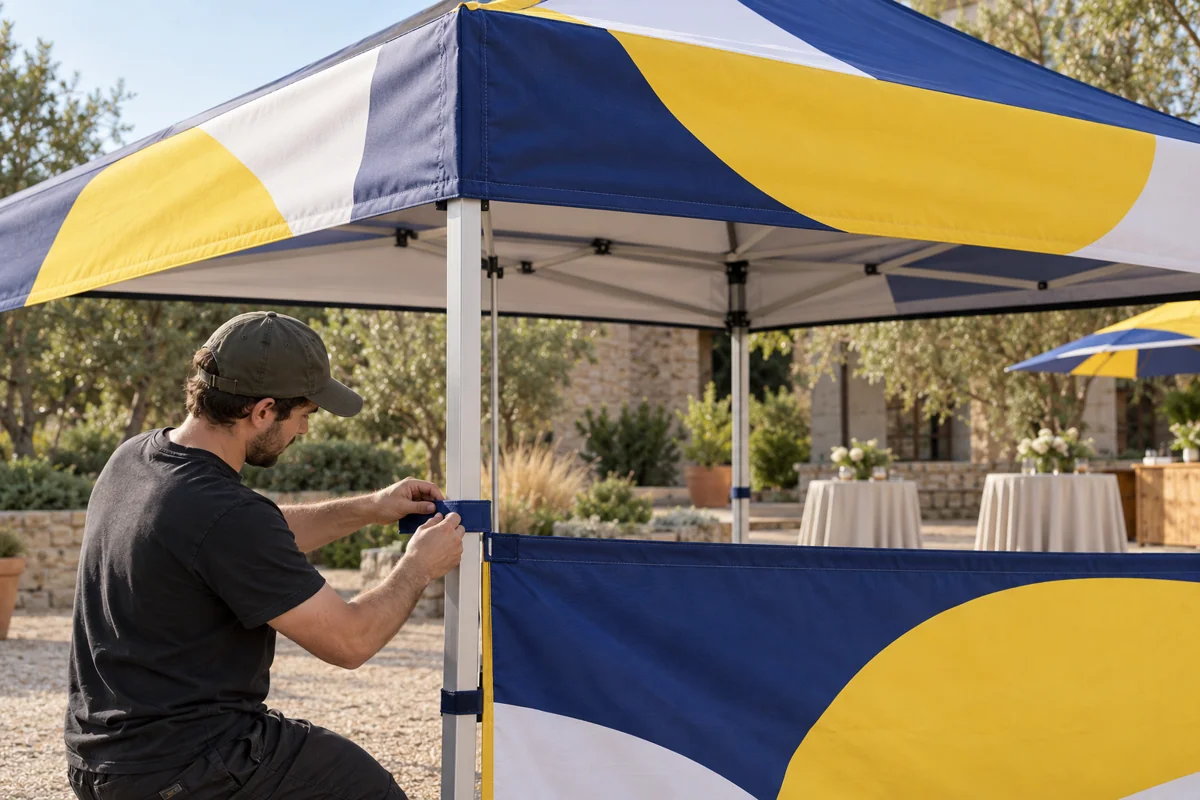 CATEGORY 04
Develop printed textile graphics for gazebos, parasols and outdoor event furniture around the structure they will fit.
Explore products CATEGORY 05
Create a coordinated team appearance with sublimation printed jerseys and matching kit pieces for clubs, schools, tournaments and company sports days.
Explore products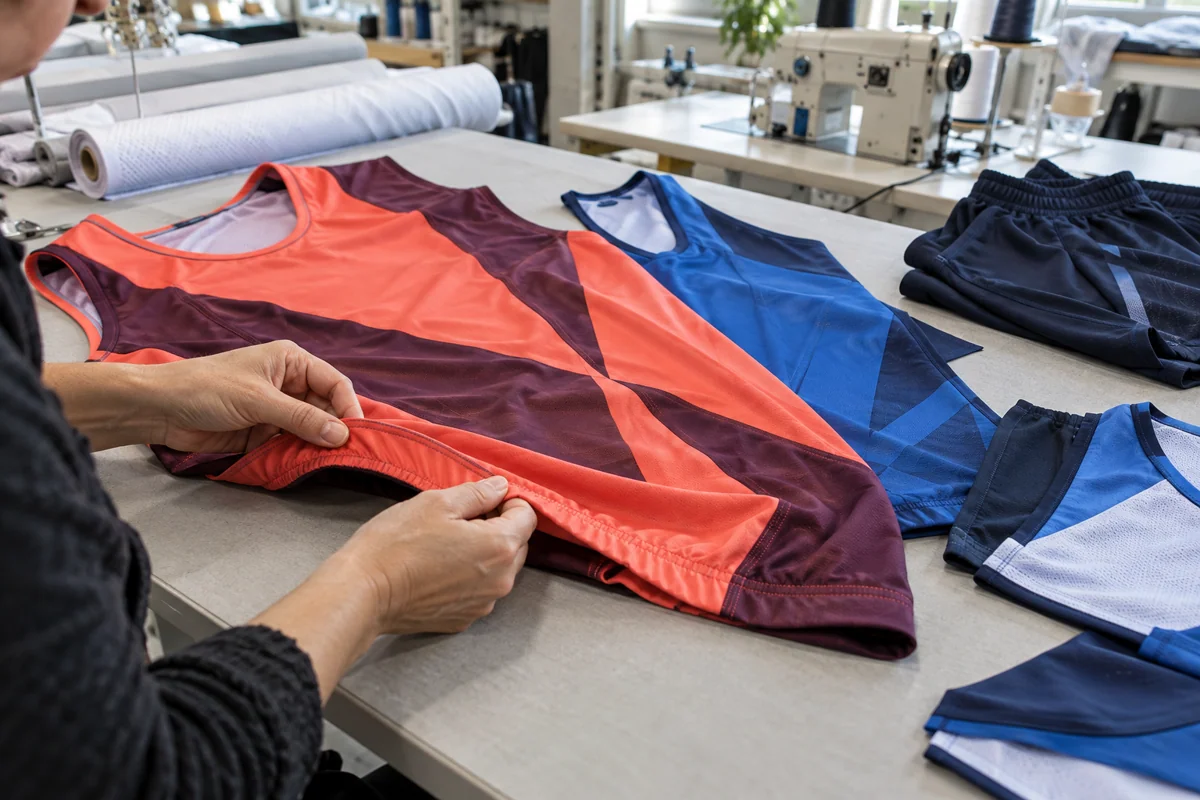 CATEGORY 06
Bring a consistent design across training tops, running vests, sports shorts and other performance clothing with sublimation artwork on compatible polyester fabrics.
Explore products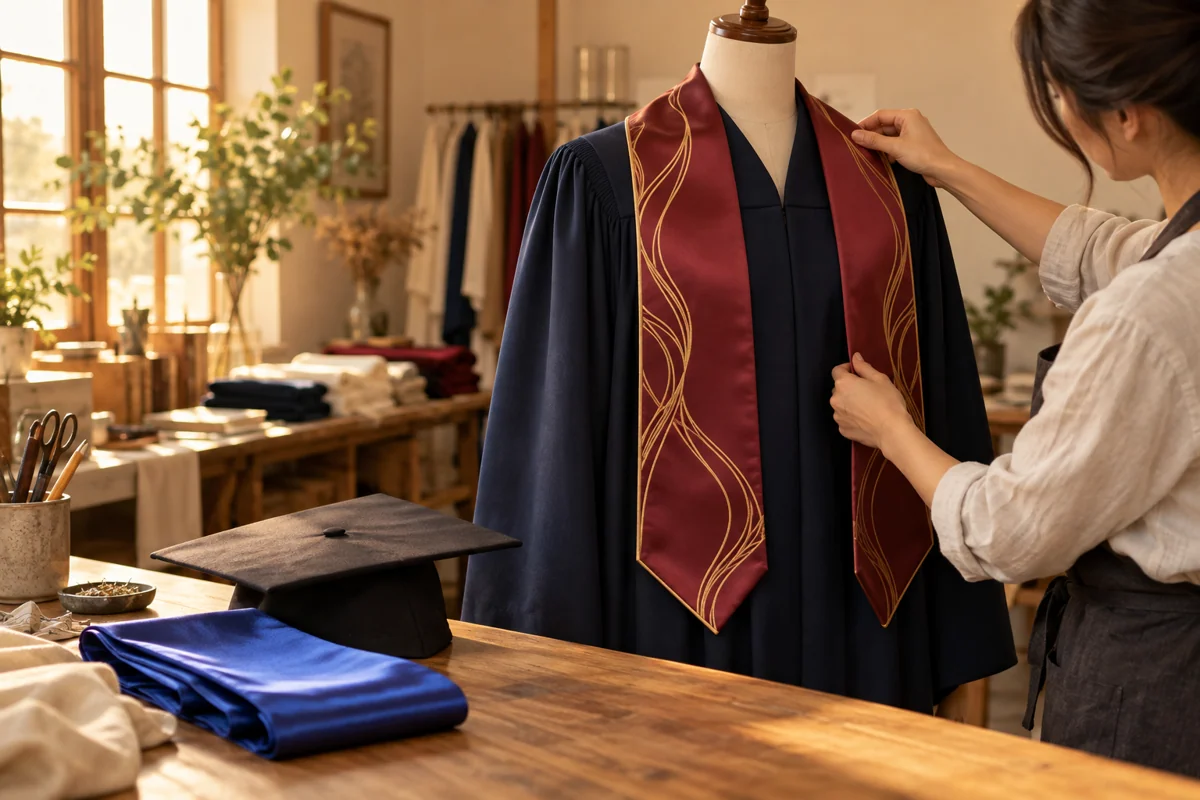 CATEGORY 07
Mark school milestones, graduations, presentations and ceremonial events with custom printed stoles, sashes and selected polyester fabric panels.
Explore products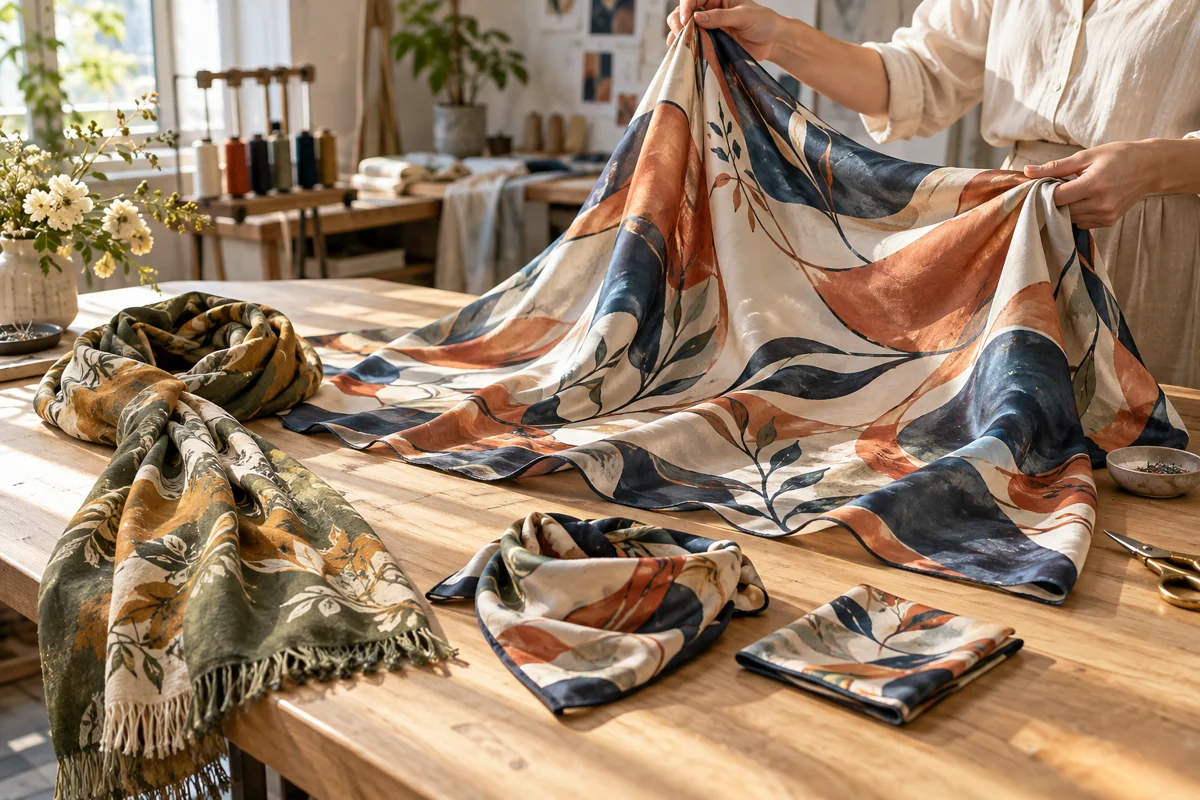 CATEGORY 08
Carry a coordinated design across printed scarves, supporter mufflers, bandanas and smaller clothing accessories using suitable polyester fabrics.
Explore products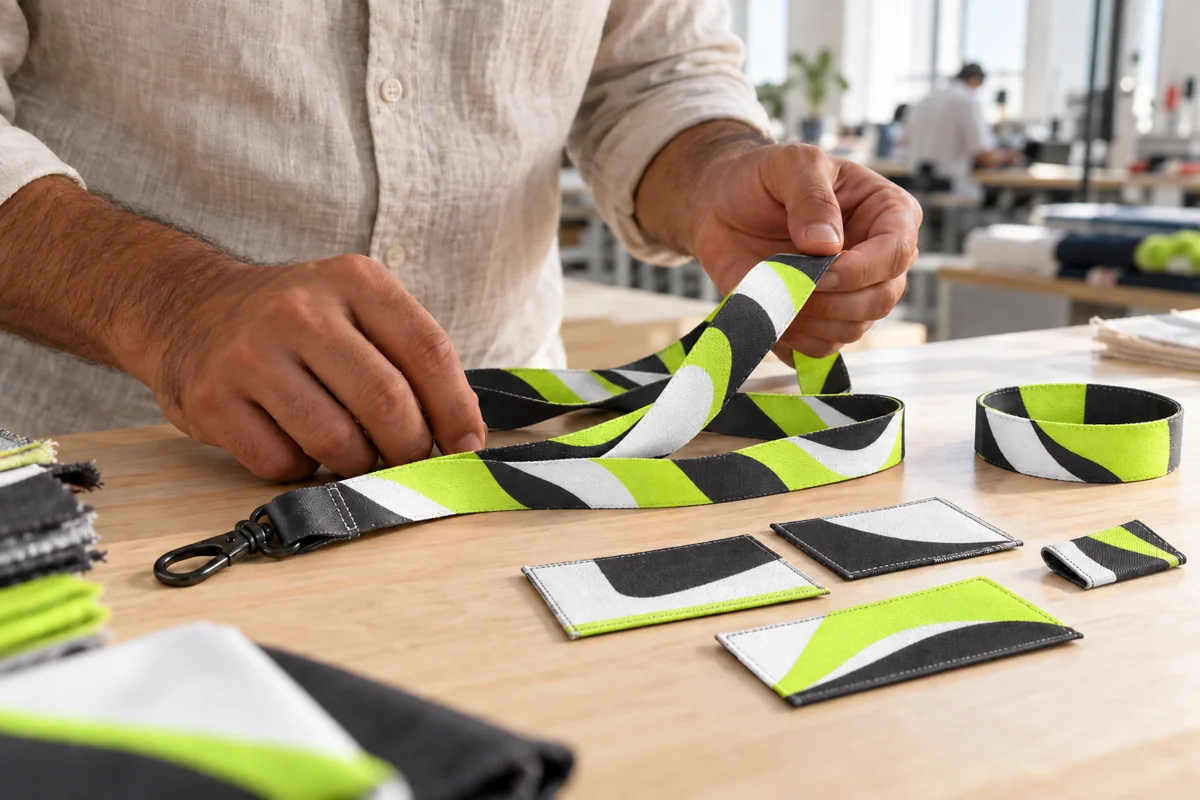 CATEGORY 09
Keep staff, visitors and event teams easy to recognise with coordinated polyester identification accessories.
Explore products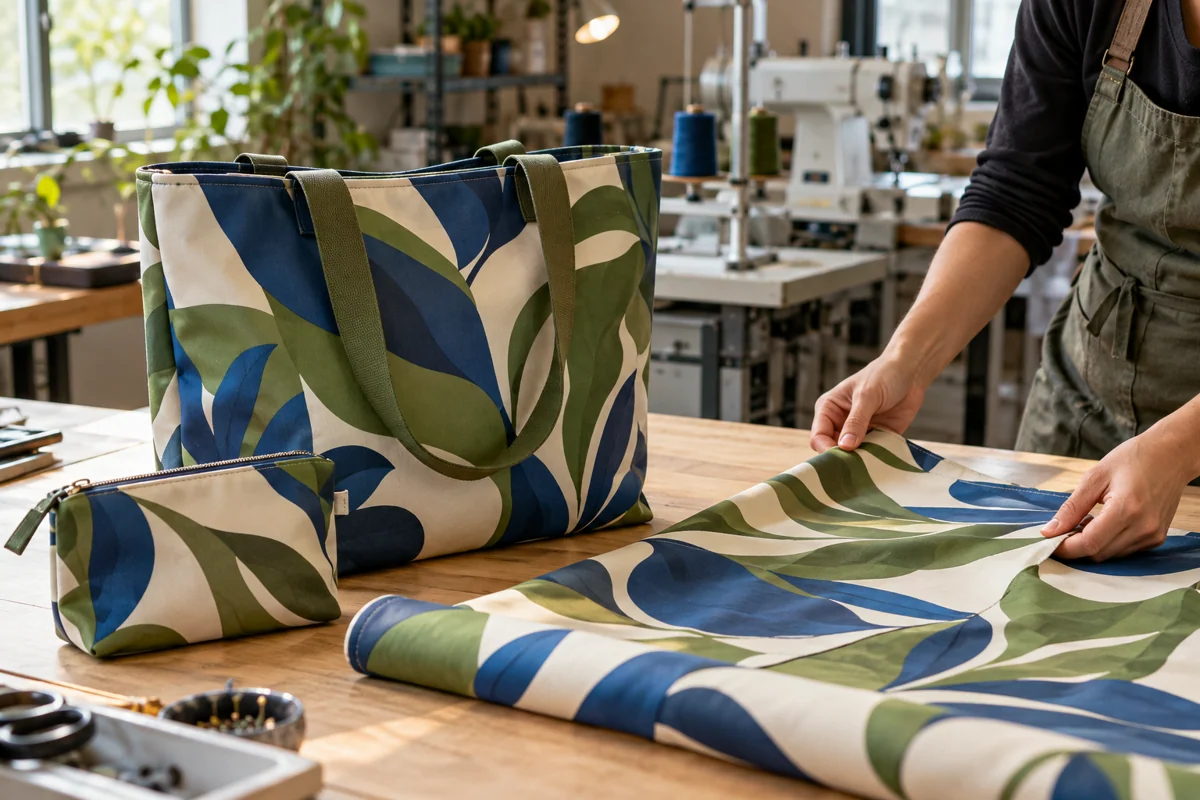 CATEGORY 10
Build coordinated bags and cases around artwork printed onto compatible polyester outer panels.
Explore products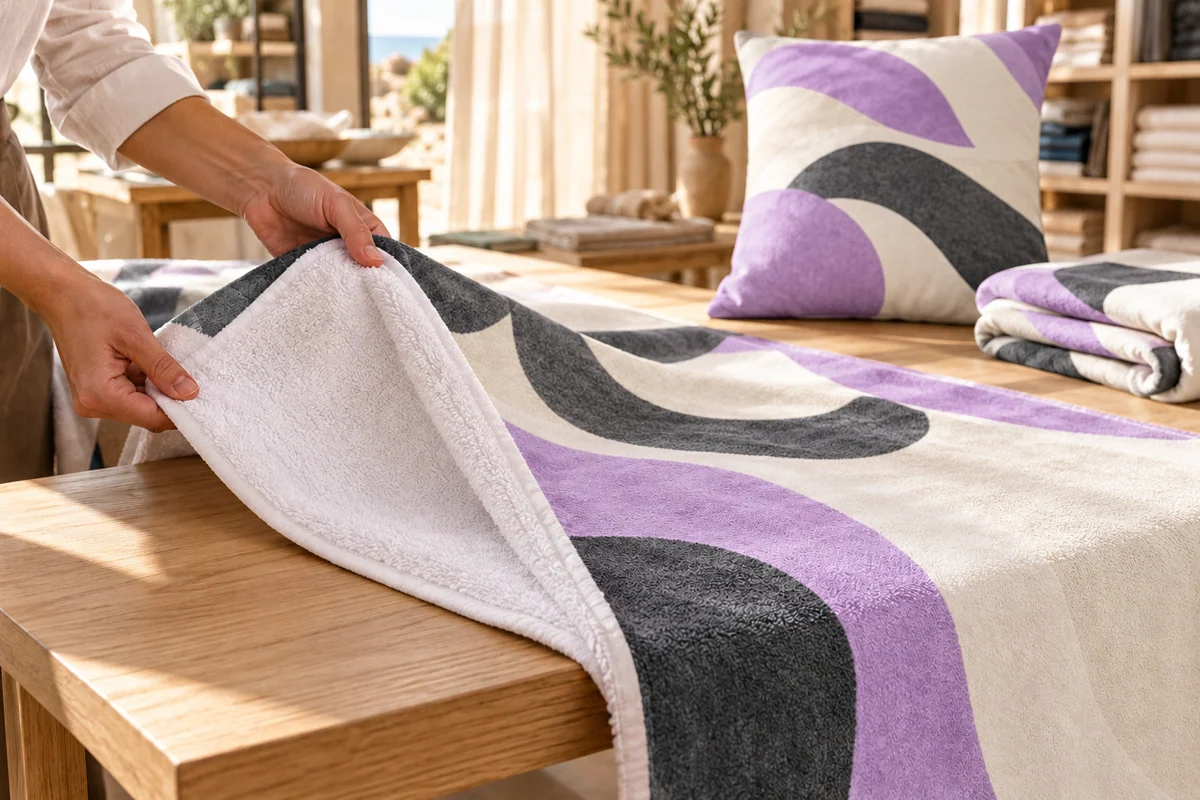 CATEGORY 11
Bring coordinated artwork into guest spaces, leisure programmes and textile gifts with sublimation on suitable polyester surfaces.
Explore products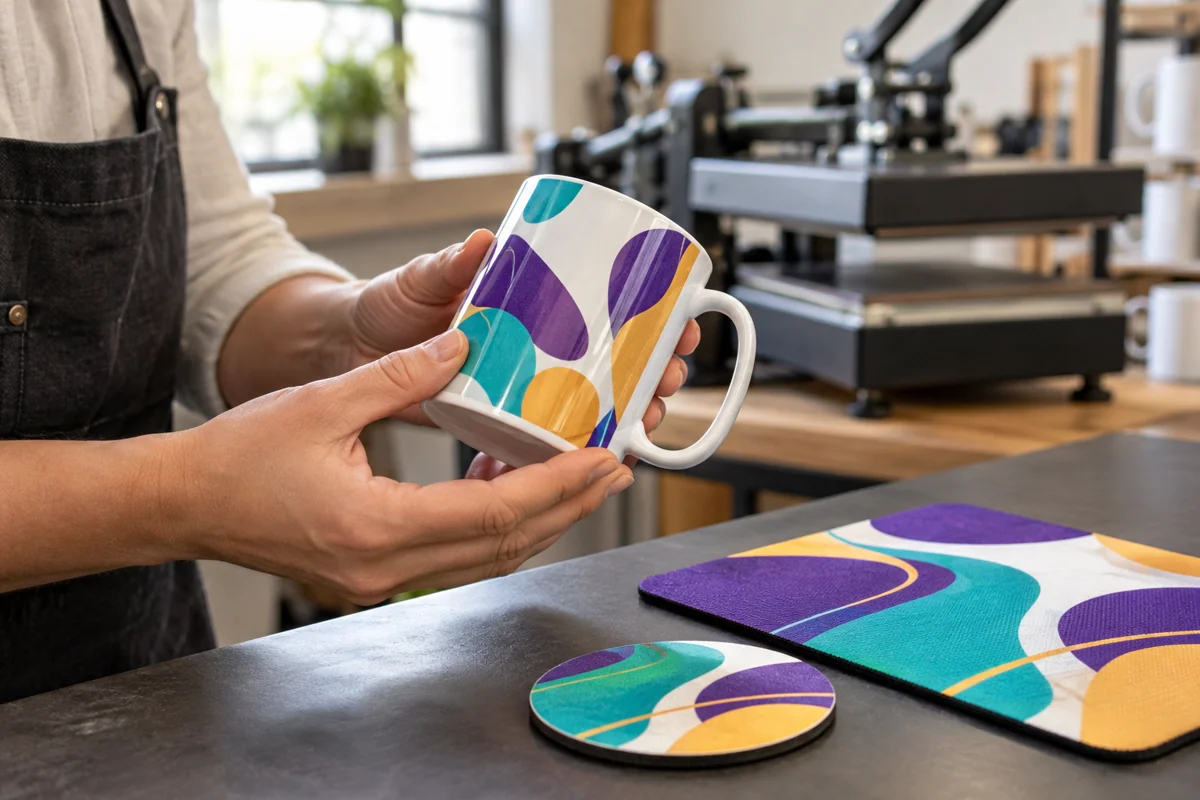 CATEGORY 12
Develop coordinated promotional gifts using blanks made for dye sublimation.
Explore productsFabric products need a compatible polyester surface. Rigid gifts need the correct sublimation coating or printable insert. We review the selected material or blank before confirming the specification.
Open a category to compare its products. Select a product, size, material and finishing, then share its individual SKU and link with the required quantity.
Send authorised artwork, colour references and quantities by design or size. Confirm layout, construction, any agreed sample, included components and required date in your quotation.
Explore our existing service pages for logo flags, replacement graphics, finishing and larger branding projects.
Company Flags Printing Service UAE starts with your approved identity and the place the finished graphic will be displayed. Select a corporate, table, advertising.
Explore serviceKeep suitable existing hardware in use with a measured replacement graphic enquiry. A familiar shape or nominal height does not guarantee fit. Send the original.
Explore serviceA bulk enquiry is easier to review when every product, artwork version and destination is listed. Combine flags, table branding, banners and backdrops in one brief.
Explore servicePrepare a company branding enquiry around the printed graphic and the parts required to display it. Services can include artwork assessment, layout proofing,.
Explore serviceSublimation is a printing process, rather than a single finished product. Flags, fabric displays, teamwear, graduation accessories, scarves, bags and compatible promotional blanks each have their own construction and artwork requirements. Use the twelve categories to begin with the item you need, then select the subitem that matches your project. Each subitem has an individual SKU for a clearer quotation conversation.
A useful brief states the finished dimensions, intended use, quantity and design allocation. It also identifies whether you need only the printed component or a completed item with sewing, fittings, hardware or other finishing.
Conventional dye sublimation is commonly associated with compatible polyester textiles and specially prepared coated blanks. It should not be assumed to work in the same way on every natural fibre, dark fabric or uncoated object. Ask for confirmation of the exact substrate and process proposed for your chosen item. A broad category name such as gifts or hospitality textiles does not mean every possible material is suitable.
Colour, fabric construction and any surface treatment can affect the result. Request a suitable reference or agreed sample when the appearance is critical. Published machine capabilities from a printing manufacturer do not establish the specifications or stock of an individual supplier.
A rectangular banner, shaped feather flag, jersey panel and graduation stole all need different artwork layouts. Obtain the correct template for the selected product before placing logos, names or small text. Check safe areas around seams, sleeves, edges and hardware. Keep important elements away from positions that may be folded, cut or obscured in normal use.
Supply editable artwork where available and identify your brand colour references. Tell the team which colours and details matter most. A screen preview helps with layout and content, while a physical sample can address questions that a digital proof cannot settle.
Printing is only one part of many textile products. Ask the quotation to define finished size, sewing, attachment method and included components. For garments, confirm the style, sizing information and design allocation. For display graphics, identify the frame or pole system and the intended fixing. For a coated promotional blank, confirm its exact form and the printable area.
Replacement graphics need particular care because an existing system may use model-specific dimensions. Send the current template, component reference and photographs rather than assuming that a similar product image proves compatibility. Hardware and fabric should be listed separately when only one is being replaced.
Separate quantities by product, size and artwork version. For team jerseys or named ceremonial items, check the spelling and allocation of every name or number. Use a final approved schedule so that the artwork team and purchasing team refer to the same information. Explain whether the order includes spare graphics, extra garments or multiple delivery groups.
The SKU identifies the selected product in this catalogue; it does not replace the detailed specification. Share the product page with its reference when requesting a quotation. If you combine several printing categories, keep their quantities and required finishing visible as separate enquiry lines.
Review the quotation, proof and any agreed sample before authorising production. Confirm what the proposed material and construction include, and distinguish the product-ready date from transport or venue receiving deadlines. Availability, minimum quantities, sampling costs and timing are confirmed for the particular enquiry, rather than promised from a generic category page.
Orient Uniforms FZE coordinates enquiries from Sharjah for the catalogue shown here. Use the subitem chooser to keep the correct SKU in your WhatsApp, email or shared link. The Flag Guide explains sublimation, artwork preparation and print-side choices in more detail, while this page helps you locate the right finished-product family. The final approved specification remains the reference for what will be supplied.
Two quotations headed sublimation printing can describe quite different finished items. Compare the substrate, dimensions, cutting and sewing, edge treatment, attachment details and included accessories. For a garment, compare the actual style and sizing reference. For a display, compare the exact graphic template and hardware scope. Ask questions before comparing only the final total.
The category photographs help you identify a product family and imagine its use. They do not confirm an unlisted dimension, coating, stock position or performance rating. If a feature matters to your project, put it in the enquiry and request an explicit response. That approach gives both parties a more useful approval record and makes later reorders easier to assess against the original specification.