
What GSM Is Best for Flag Fabric? Weight and Durability Explained
GSM means grams per square metre, a measure of fabric mass per unit area. It helps describe a textile, but it does not independently measure flag strength, print quality or expected service life. There is no universal best flag fabric GSM for every product. A buyer should compare weight alongside construction, size, finishing and the supporting system, using the actual proposed specification.
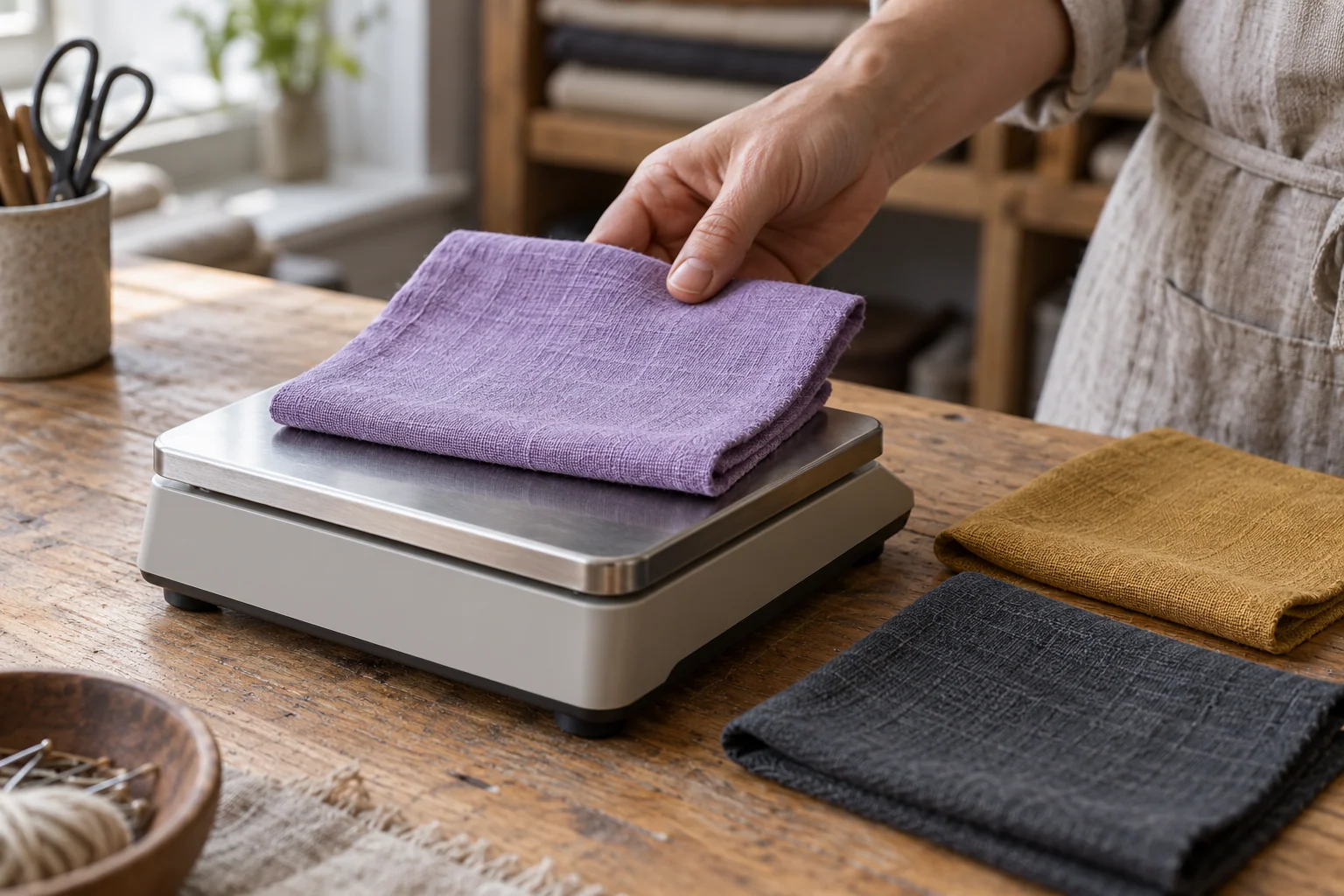
Understand what the figure describes
A GSM value concerns a defined area of the fabric, not the total mass of a finished flag and its fittings. Header tape, thread, multiple faces and decoration can add to the complete product. Ask whether a quoted figure describes the base cloth or a multilayer assembly. This prevents a comparison between unlike specifications that happen to show similar numbers.
Compare like with like
Two fabrics with the same GSM may use different yarns, knit or weave structures and finishes. An open mesh and a dense cloth can present artwork differently even when their weights look close. Request the fibre composition, construction and material reference as well as the number. Use samples to assess transparency, feel and drape rather than expecting one weight figure to reveal those qualities.
Think about movement and size
Fabric weight interacts with the finished dimensions and construction. A larger or multilayer flag can behave differently from a small single-layer version made from the same base textile. The pole or frame must suit the proposed graphic. Do not choose a heavier replacement for an existing kit without confirming that the complete assembly remains compatible with its manufacturer’s guidance.
Keep durability claims separate
Weight alone does not prove resistance to sunlight, edge wear or repeated handling. Yarn construction, seams, exposure, rubbing and care all play a role. Ask for evidence supporting any specific performance claim and check whether it relates to the product being supplied. A thicker feel may suggest a different hand or drape, but it is not a substitute for relevant testing and operating information.
Use GSM in a complete buying brief
List the product SKU, final dimensions, print faces, display location and existing support. If a weight is mandatory in your procurement specification, explain why and ask Orient Uniforms FZE to confirm the available material reference. Otherwise request suitable options and compare the finished samples. Have the selected textile and finishing written into the quotation so repeat orders do not depend on a weight number alone.
Questions & answers
Does higher GSM always mean a stronger flag?
No. Strength and service life also depend on fibre, construction, finishing, exposure and handling.
Can I compare two fabrics using GSM only?
That would miss important differences. Compare composition, structure, print appearance and the complete finished construction too.