
What Is a Flag? Meaning, History, Types and Uses Explained
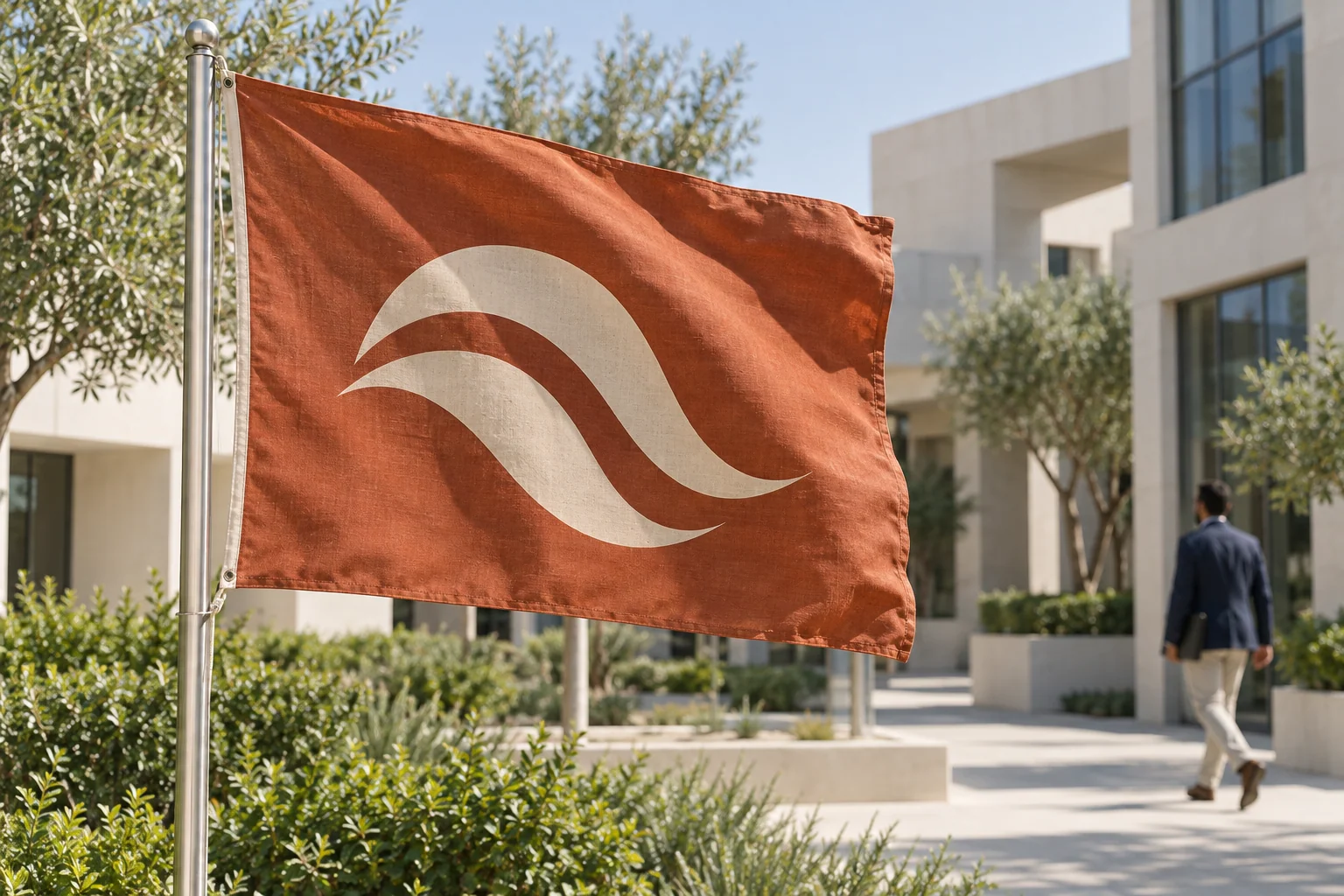
A flag is a piece of fabric designed to communicate identity, membership, a message or an instruction. It may fly from a pole, hang inside a building or form part of a temporary event display. For a business, the useful question is how the flag will be seen: from the road, beside an entrance, across a sports field or close up at a reception desk.
A short history of a practical object
Long before modern printed branding, communities used distinctive fabric symbols to recognise groups and communicate over distance. A moving flag can attract attention where a fixed sign blends into its surroundings. Today the same basic idea appears in school house colours, club pennants, corporate forecourts and conference tables. These examples share a communication purpose even though their dimensions, graphics and fittings differ considerably.
Shape follows the display
A rectangular flag normally attaches along its hoist edge and has a free outer edge. Feather and teardrop displays fit a shaped pole system; triangular pennants suit compact club or event identities. A table flag works at conversational distance, while a tall promotional flag needs a simpler graphic. Choose the format around the location before adding artwork, rather than stretching one layout onto every shape.
Fabric, printing and finishing work together
The finished product includes more than the printed cloth. Seams, sleeves, reinforced headers, eyelets and attachment spacing must suit the intended pole or stand. Polyester is used in several commercial flag constructions, with different cloth structures giving different appearances. Ask for a sample of the proposed fabric and an explanation of the reverse view. A photograph alone cannot establish weight, strength or compatibility.
Readability matters more than decoration
A recognisable emblem and a restrained message usually communicate faster than a detailed brochure placed on fabric. View the design at approximately the distance a visitor will encounter it. Check both sides, any folds around the pole and whether important elements disappear into a sleeve. Keep access routes and sightlines clear, and ask the venue which display positions and hardware are acceptable.
Turn the idea into an enquiry
Prepare a short brief with finished dimensions, quantity, indoor or outdoor use, a location photograph and the existing pole details. Include the logo file and identify which side must read correctly. On this catalogue, save the relevant product SKU and share its page with Orient Uniforms FZE so the discussion starts with a particular format. Fabric, hardware, pricing and production dates should then be confirmed in the quotation.
Questions & answers
Can a company use several flag formats?
Yes. Entrance flags, table flags and event pennants can share a visual identity while using different layouts and fittings.
Is every flag intended for outdoor use?
No. An indoor ceremonial or desk display may need a different cloth and support from a flag flown outside.